"Very responsive to my request, plow operator friendly and good doing his job. Will recommend this company if I get the opportunity and will use them again if the need arises."
"Timothy did a fantastic job replacing our toilet in our bathroom. He explained everything as he worked, helped us to get the best pricing possible on the job and was very friendly with my four year olds of daughter who was thrilled to receive an ECO sticker! Timothy went above and beyond to help us today and we will definitely be using ECO Plumbers again!"
Action Plumbing Plus, Inc.,where experience counts.. No project is to big or to small. We look to working with you soon. Call Action Plumbing Plus today. Customer Satisfaction is our goal.
We take great pride in our experience, expertise, quality, and customer service that we provide to meet the consumer's needs. It is our mission to provide excellent workmanship and complete customer satisfaction from start to completion of a project. In order to understand the needs and expectations of our customers, we take great care to work and communicate with every customer in a professional manner. Our reputation is based on service, safety, and quality, regardless of how large or small the job.
Too much clover in your lawn can indicate several issues with your soil. Clover can thrive in soils with abnormally high pH, low-cut grass, and low nitrogen. Amending these issues can push clover out for good.
Hardy perennial clover loves the low nitrogen and compact conditions that often come with poor, infertile soils. But other factors also contribute to a clover explosion, including drought conditions, cool temperatures, under fertilization, and over-irrigation. You’ll need to evaluate all these elements when planning to kill off the clover.
You can reseed a lawn that has dead grass, but it is best to remove the dead patches before you begin. Removing the dead turf and testing the soil will help you determine what is killing the grass so you can make the necessary amendments to prevent the problem from recurring. Once you have made the appropriate adjustments, you can rake, fertilize, and reseed. If your lawn has many large dead patches, it may be more effective to remove all the existing grass, amend the soil, and start over from scratch.
You can, like you can put too little down. Sowing too much grass seed can create competition between the seeds for resources (light, water, nutrients) and the seedlings could struggle to grow. When you sow too few, your lawn will come in thin. Your seed product has a recommended seeding rate, so use that as your guide.
Yes, you should water your grass after seeding it. During the first couple of weeks after laying the seed, you should water the lawn two or three times per day for 10 to 15 minutes each session. After that, you can switch to 20- or 30-minute watering sessions every other day.
The best time of year for power seeding depends on your local climate. The soil should be warm, but the air should be cool. If the weather gets too hot after you grow new grass seed, it can die off easily. The best time for power seeding warm-season grasses is late spring to summer, and the best time for power seeding cool-season grasses is in the fall.
The Big Sandy, MT homeowners’ guide to lawn irrigation services
From average costs to expert advice, get all the answers you need to get your job done.
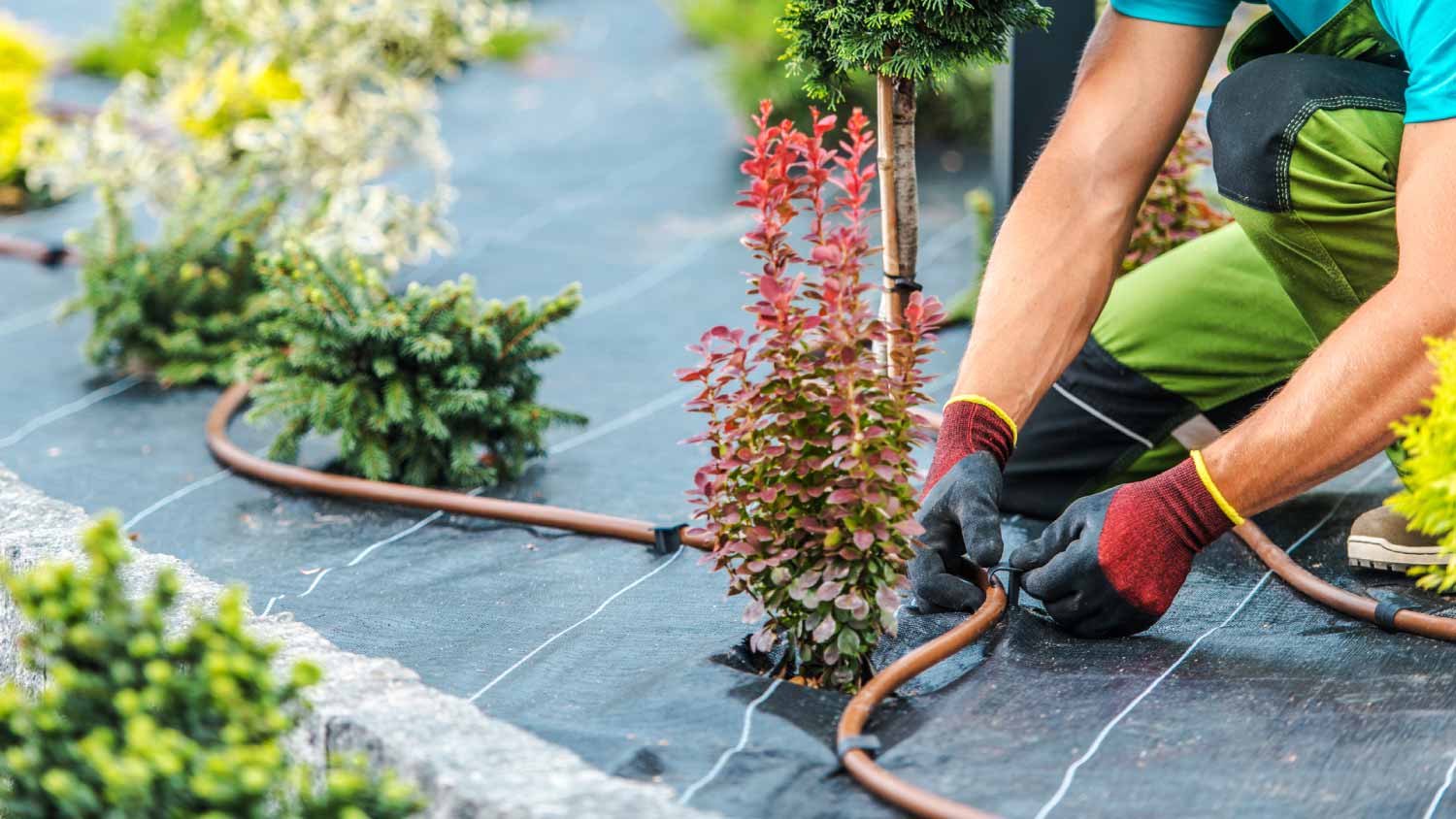
Need an effective solution for watering your garden? Here are four types of drip irrigation systems that can help you nurture your plants to perfection.
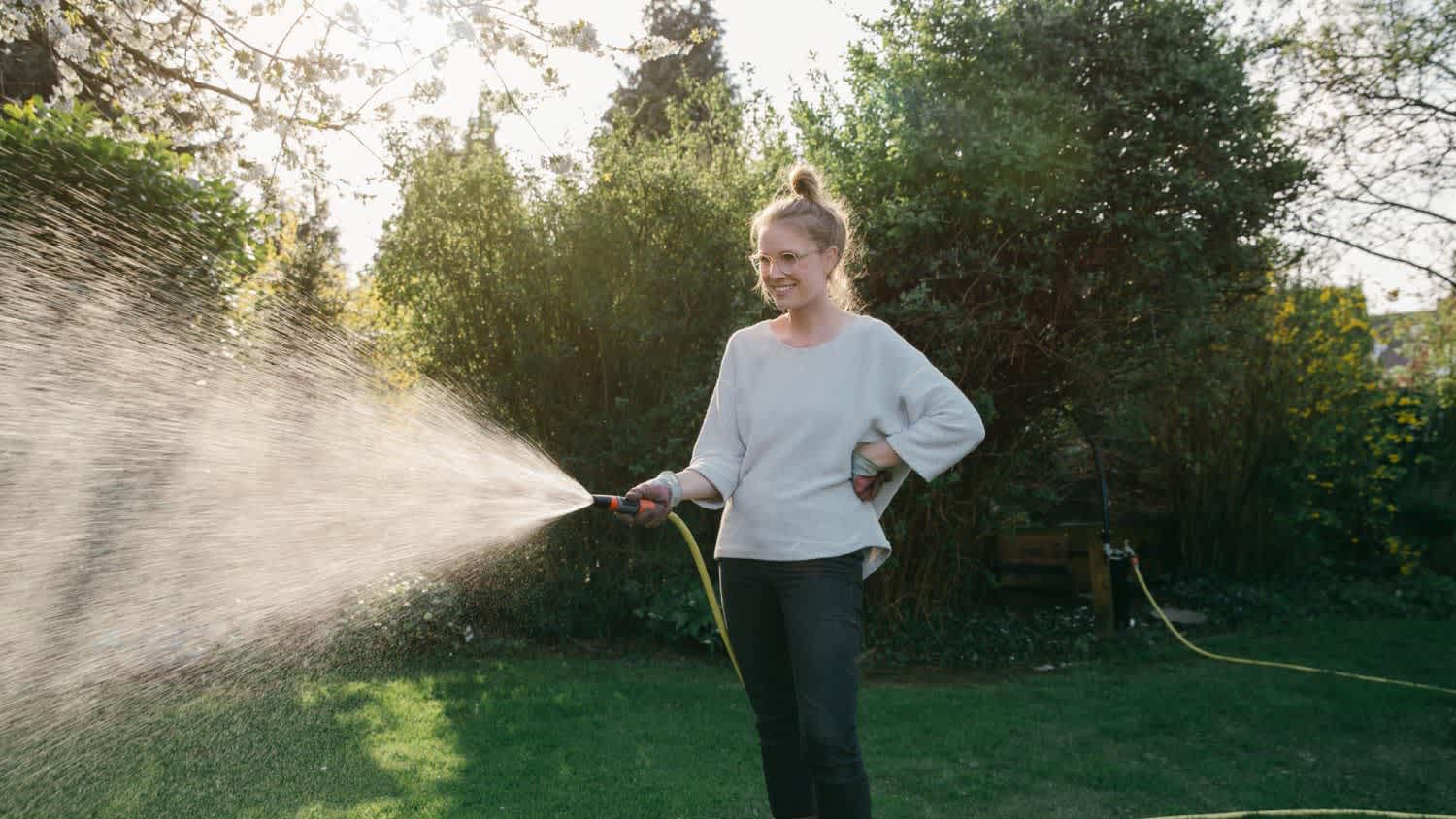
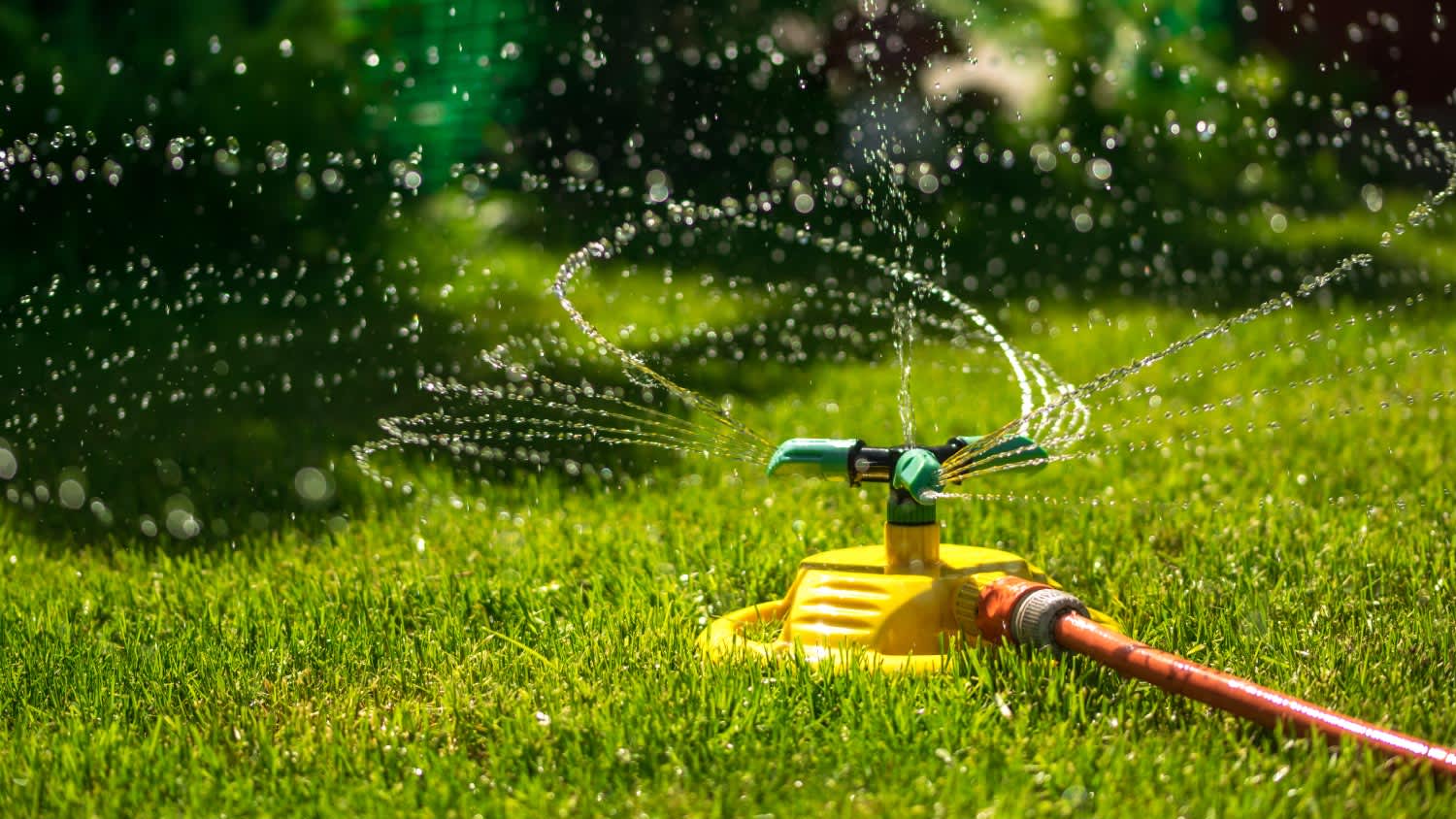
Can you keep your lawn healthy without a costly irrigation system? Absolutely. Learn the best way to water a lawn without a sprinkler system with this guide.