Doorbell Installation questions, answered by experts
Structural insulated panels and rigid foam boards have the highest R-value of any insulation that contractors commonly use, with R-values reaching up to around 8.0. These types of insulation are best in extremely cold climates, but they’re generally preferred for new construction, as they can be challenging to retrofit. Blown-in and loose fill insulation provide the next best insulative value, provided the installation is done properly. It’s important to choose an insulation type that meets your needs based on climate, as maximizing R-value may not always be financially worthwhile if you live in a moderate climate.
Yes, basement insulation needs a vapor barrier due to its susceptibility to moisture seeping in from the outside of the house. You should install a moisture barrier before you install insulation or purchase insulation that comes prebuilt with a moisture barrier to avoid water damage in your insulation and costly mold and water remediation expenses.
Adding insulation to ceilings is an excellent way to increase the energy efficiency of your home. If your home's layout is such that you need insulation in the ceilings rather than in the roof, it's likely that at least some insulation already exists in the space. However, each additional inch of insulation you can add boosts the R-value by between 2.2 and 4.2.
Yes, you can install insulation behind drywall yourself, but only if your walls are not finished. If your studs are exposed, installing fiberglass insulation in roll or batt form is very straightforward and just requires a few tools and some safety equipment. If your walls are already finished and you’re looking to add insulation, it’s better to hire a professional, as you’ll likely need blown-in insulation, which can be dangerous to work with and a challenge to get into the proper areas in your wall voids.
Unfaced wall insulation is easier to cut and install, making it the better choice for a DIY project. It’s also more affordable. But if it’s unfaced, you’ll likely need to add a vapor barrier to reach your desired R-value and efficiency, as it doesn’t offer any moisture barrier.
Faced insulation uses paper or foil to create a built-in barrier and doesn’t require an extra step. It’s also more fire-resistant and safe. But it’s quite a bit more expensive and a little bit harder to work with as a DIYer.
The Big Sandy, MT homeowners’ guide to doorbell installation services
From average costs to expert advice, get all the answers you need to get your job done.
Ring a bell? From replacing a wired doorbell to setting up a smart home system, learn about typical doorbell installation costs, including materials and labor.
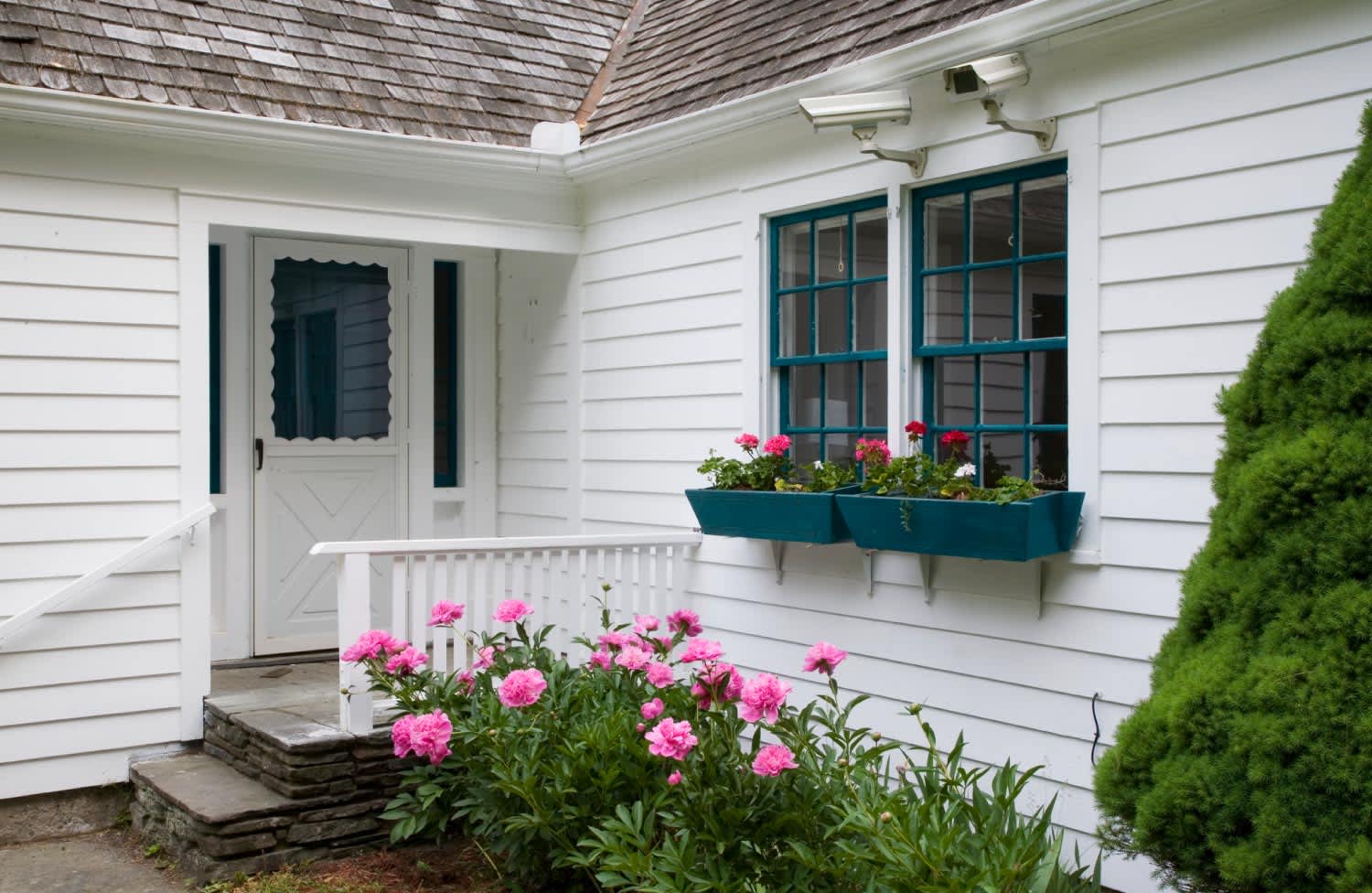
How much does it cost to install a doorbell camera? It depends on whether you plan to DIY or hire a pro. Learn about different models and their power sources, too.
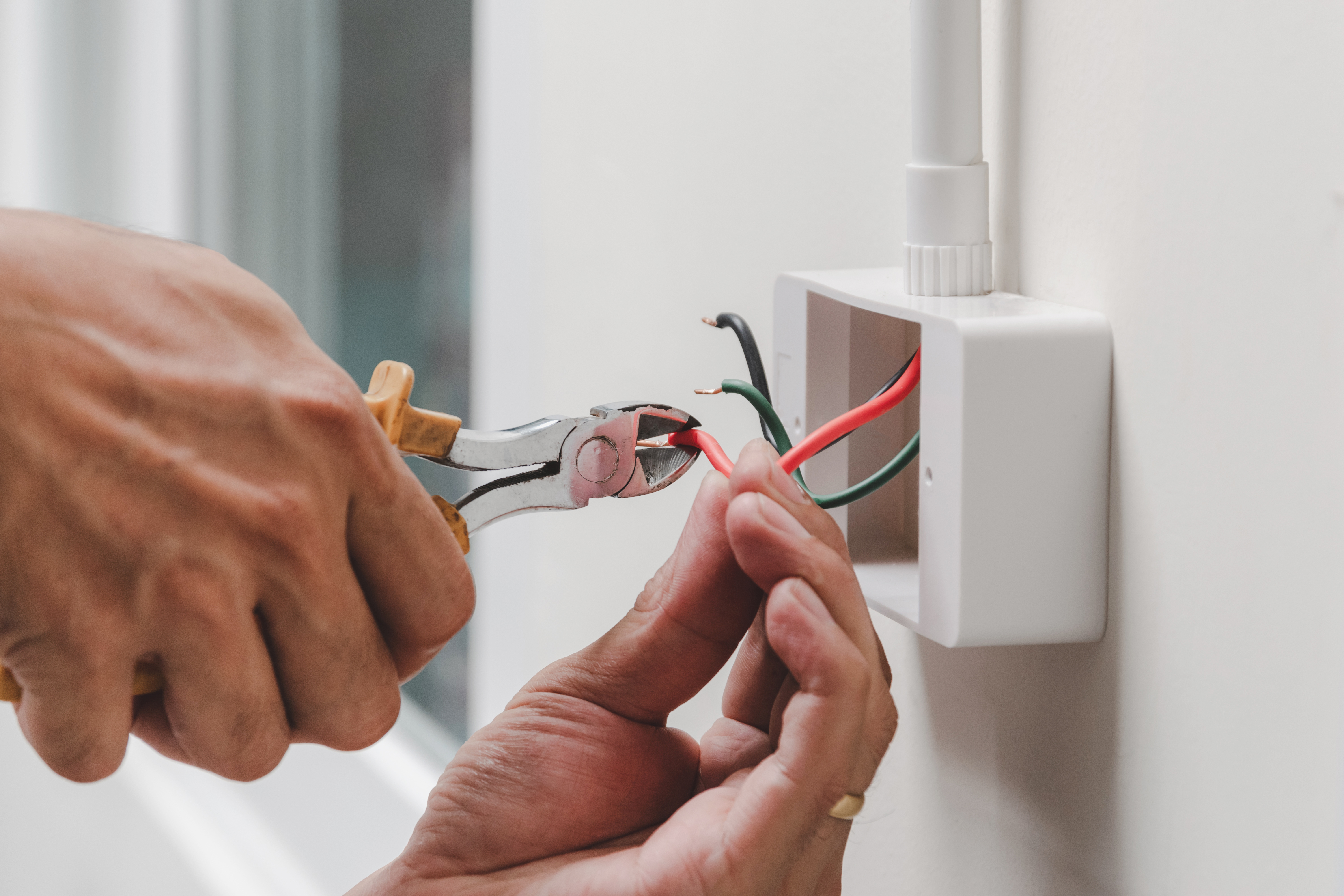
Doorbell wiring is a project you can DIY. This guide covers everything you need to know, from different types of doorbells to wiring, and how to remove an old doorbell.
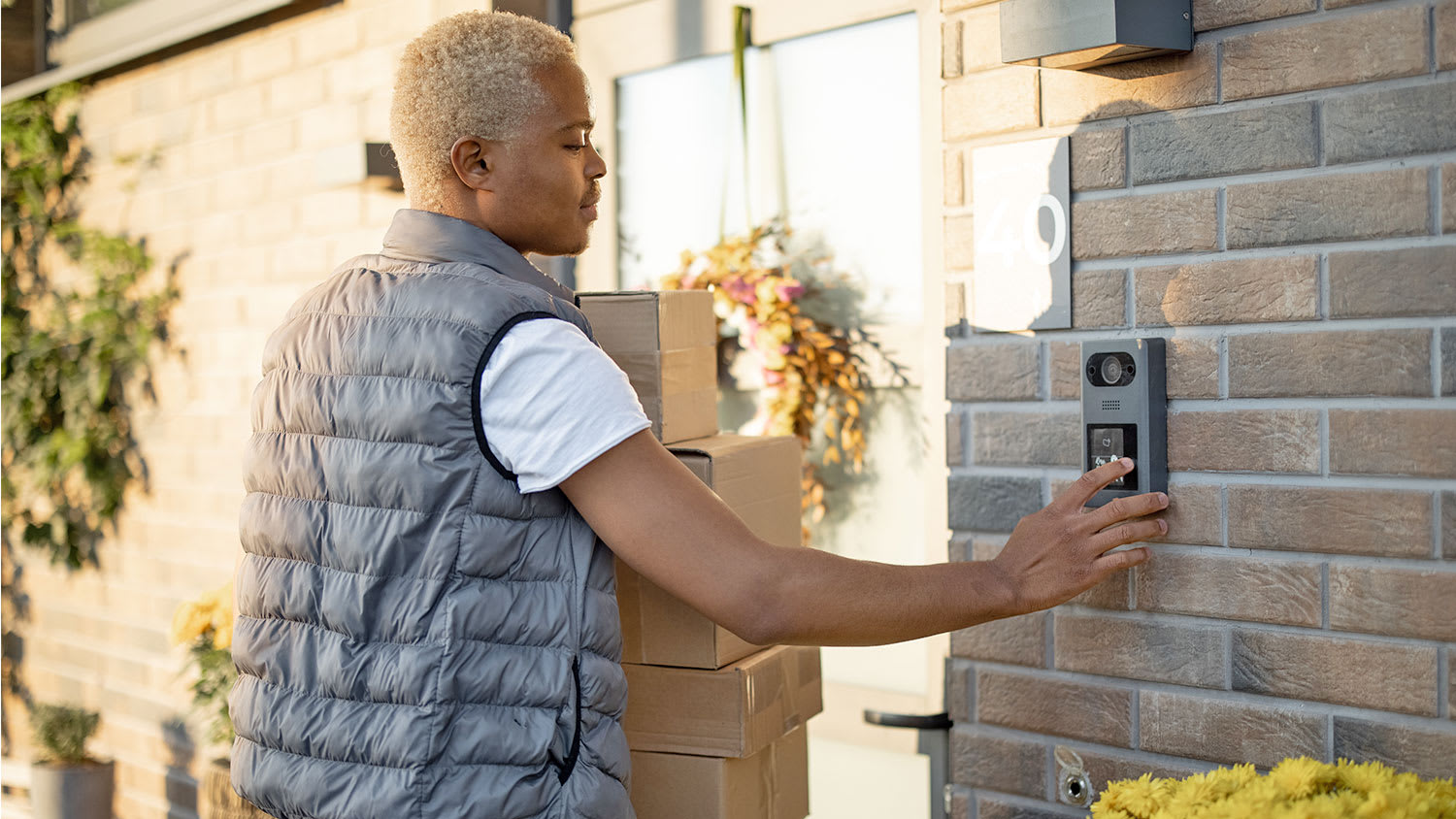
Ready to upgrade your front door and learn how to wire a doorbell? You may be able to handle this relatively simple DIY installation without an electrician.