"Timothy did a fantastic job replacing our toilet in our bathroom. He explained everything as he worked, helped us to get the best pricing possible on the job and was very friendly with my four year olds of daughter who was thrilled to receive an ECO sticker! Timothy went above and beyond to help us today and we will definitely be using ECO Plumbers again!"
You can fill the holes weeds leave behind with soil or sand to avoid unsightly spots or tripping hazards. If you remove weeds from a grassy area, fill the hole with soil and grass seed, and water regularly to promote grass growth.
If you throw grass seed on bare spots, some may sprout on the soil’s surface. However, the germination rate will diminish over time because the grass will not be rooted correctly. You may not get desired results if you toss grass seed on bare spots without proper lawn maintenance and cultivation.
If thrown on the ground and left, some Bermuda seeds will sprout on the surface, but you will have a diminished germination rate. It’s best to cultivate the area before spreading the seeds for optimal results. Rake the area first and then evenly distribute the Bermuda seeds. Cover the space with about ¼ inch of soil before watering the area.
Yes! Fescue grass is a perennial that naturally regrows every spring. That’s why we recommend planting this grass variety in the spring to jump into the ideal growing and regrowing schedule. Keep in mind that fescue grasses thrive in cooler and transitional areas, so some species do best in moderate climates below 90 and above 50 degrees Fahrenheit.
While hydroseeding is typically meant for bare soil, it is possible to hydroseed over an existing lawn with some adjustments. For the new seed to germinate and thrive, it needs good seed-to-soil contact. Without it, most of the seed may not take root and will die. To improve your chances of success when repairing a patchy area, mow any existing grass as low as possible and loosen any exposed soil before application. It is also recommended to use a finer mulch mixture when spraying, as this will help the seeds reach the soil and root without suffocating the existing grass.
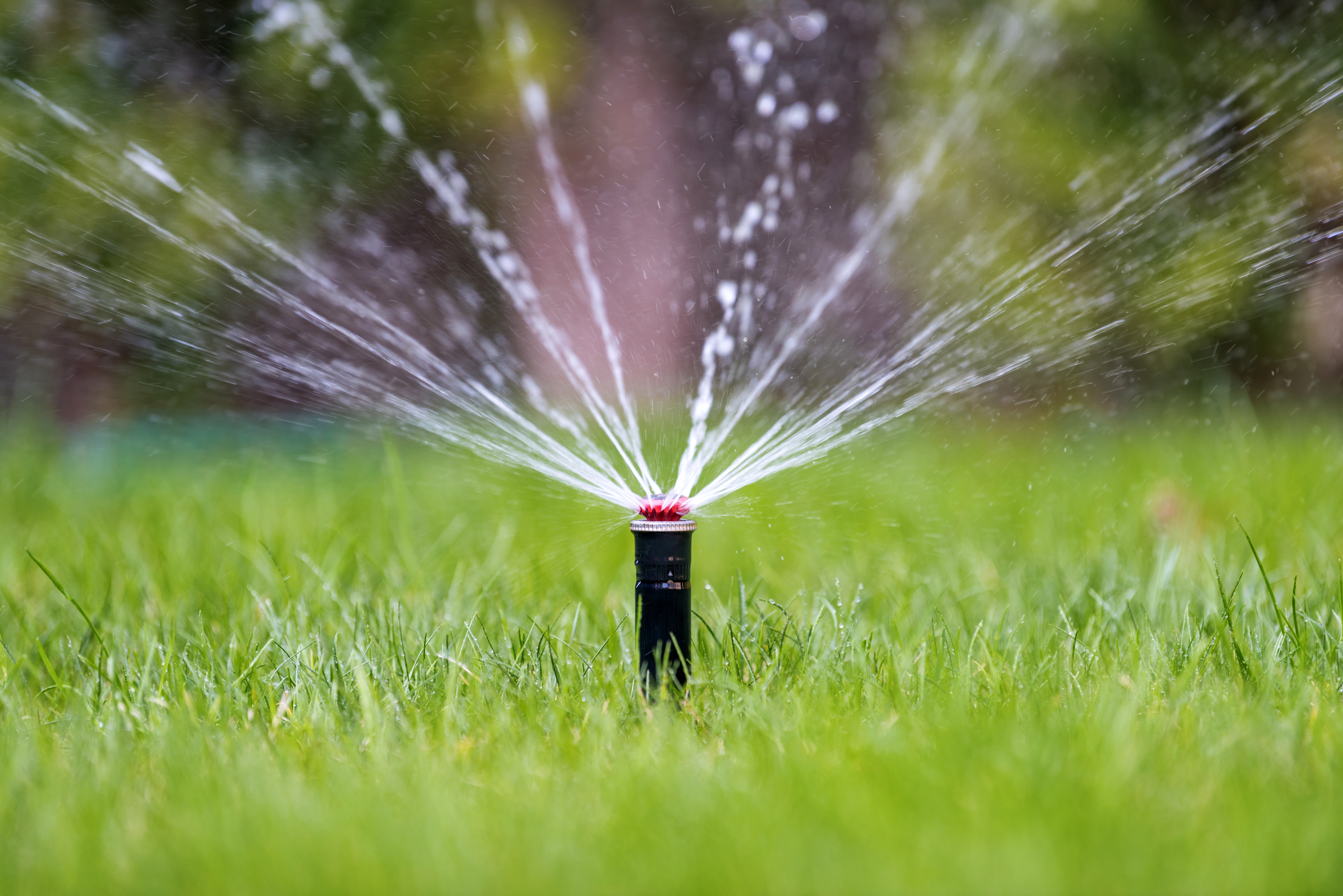
The Harlem, MT homeowners’ guide to lawn irrigation services
From average costs to expert advice, get all the answers you need to get your job done.
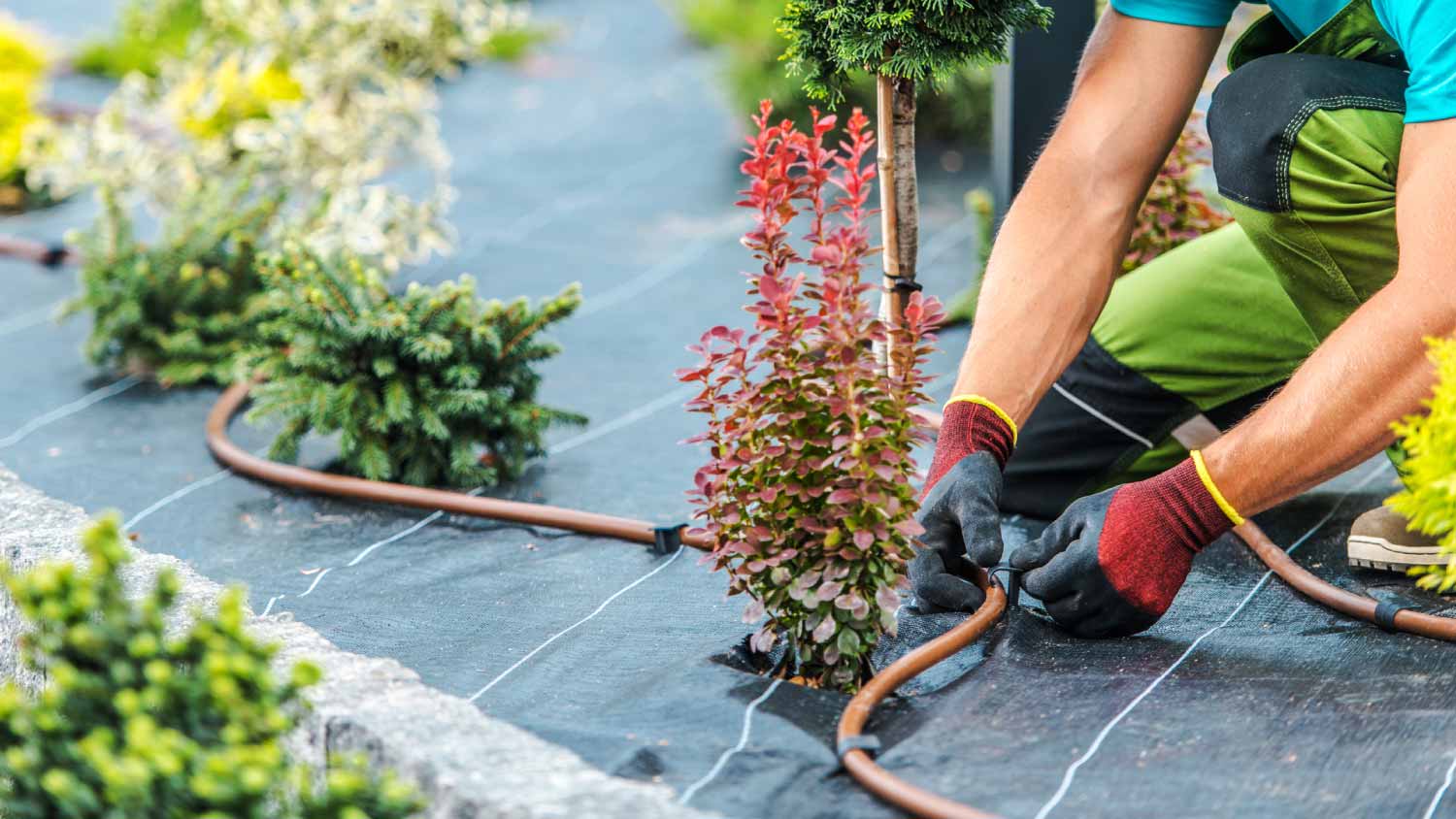
Need an effective solution for watering your garden? Here are four types of drip irrigation systems that can help you nurture your plants to perfection.
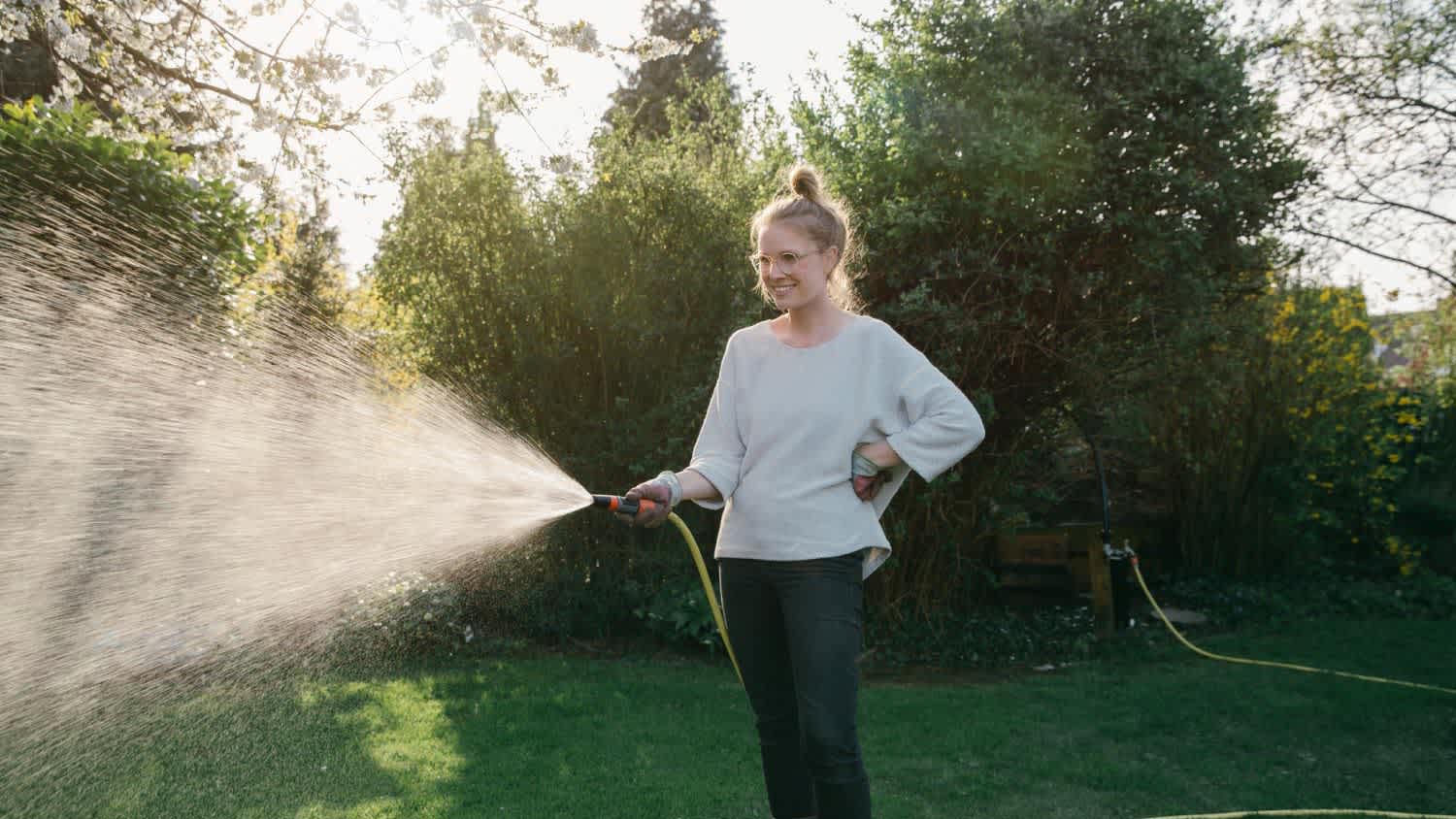
Can you keep your lawn healthy without a costly irrigation system? Absolutely. Learn the best way to water a lawn without a sprinkler system with this guide.