"He was able to quickly diagnose that the water leak from the water heater was a result of a ruptured tank, resulting in the need to replace the entire water heater."
"I just pay $75 you never know who's going to come out. They do everything electrical. Just about everything is covered except the septic tank. I had an air conditioner replaced. It went great, all I had to do was pay for the freon. He didn't charge e more than what was needed."
We take great pride in our experience, expertise, quality, and customer service that we provide to meet the consumer's needs. It is our mission to provide excellent workmanship and complete customer satisfaction from start to completion of a project. In order to understand the needs and expectations of our customers, we take great care to work and communicate with every customer in a professional manner. Our reputation is based on service, safety, and quality, regardless of how large or small the job.
\n
We pride our company on reliability, great communication, integrity, and quality work. We are experts in our trade and will do our best to keep you as educated as we can on your particular task or project. We look forward to earning your business!
Most septic tanks can handle two to three loads of laundry per day, or a weekly total of between seven and 10 loads. Although septic systems do require homeowners to be somewhat careful with their plumbing systems—for instance, it’s not a good idea to flush a bunch of toilet paper all at once—they can still handle fairly heavy use.
Getting well water tested costs$100 to $350 if done by a pro. You can also buy DIY test kits for $20 to $100, but professional tests are more reliable. You can get a comprehensive well inspection, which includes advanced water testing, for $700 to $750, which you should do yearly anyway.
Frozen well pipes make themselves known quickly, as your faucets slow down to a trickle or shut down completely. If you notice a serious reduction in flow in the winter from toilets, showers, kitchen faucets, and other plumbing fixtures, a frozen pipe or two is to blame. Another tell-tale sign is frost or ice on exposed pipes outside.
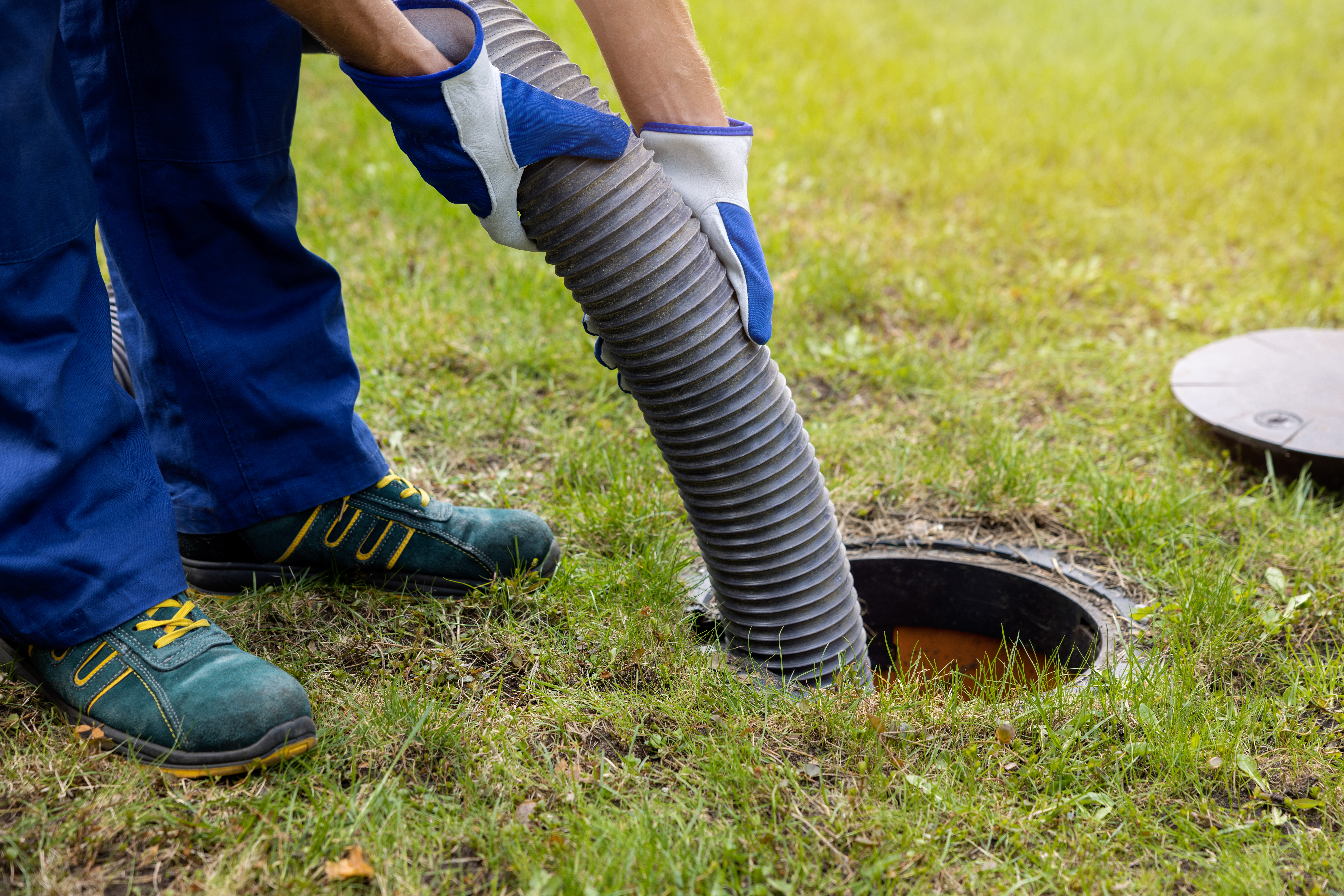
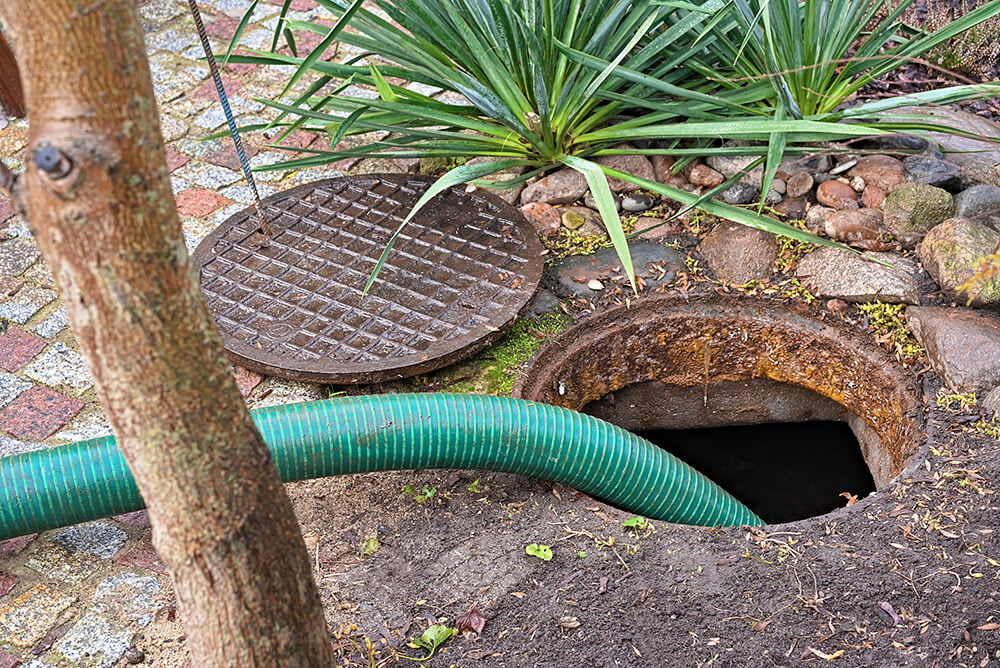
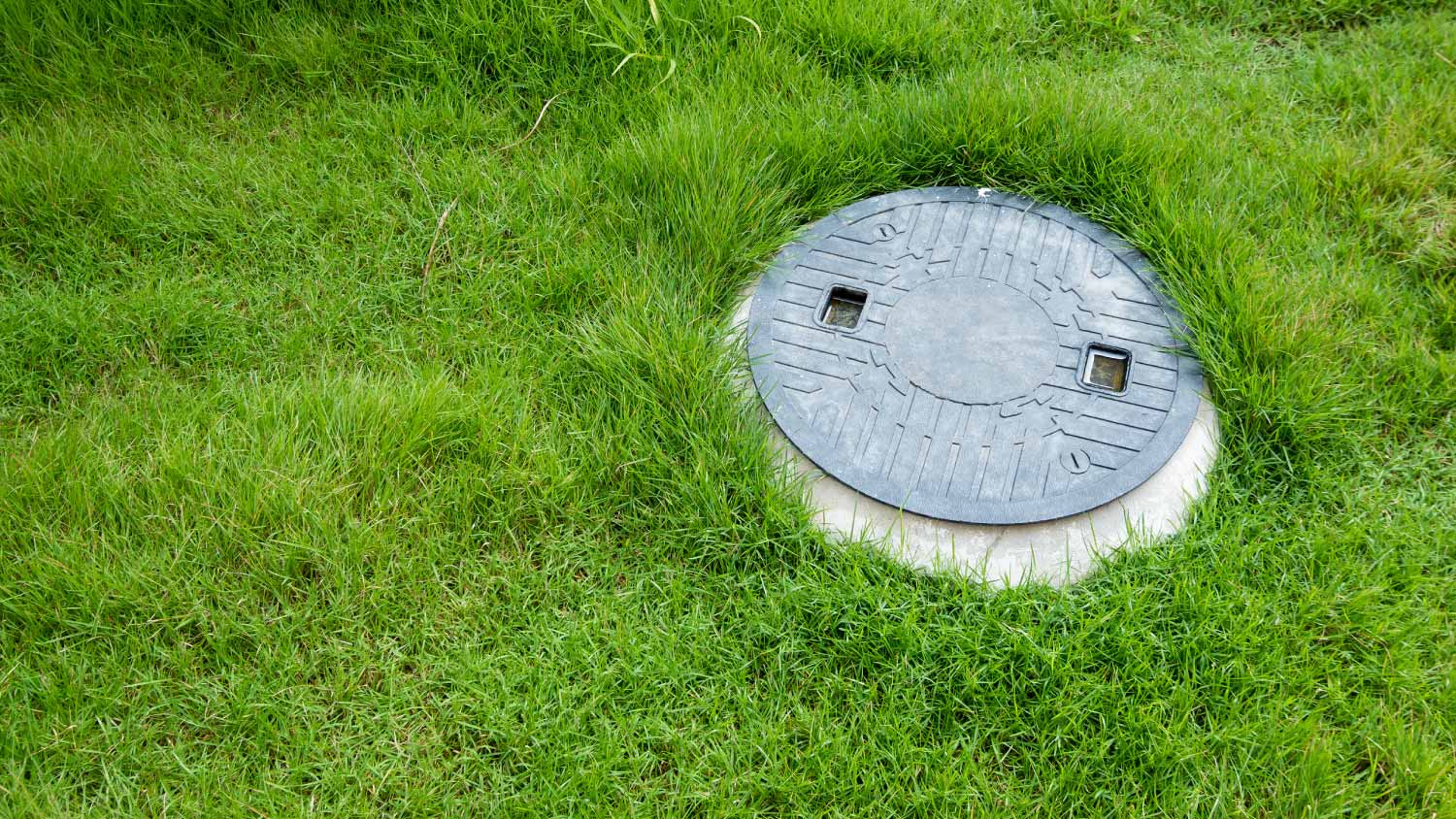
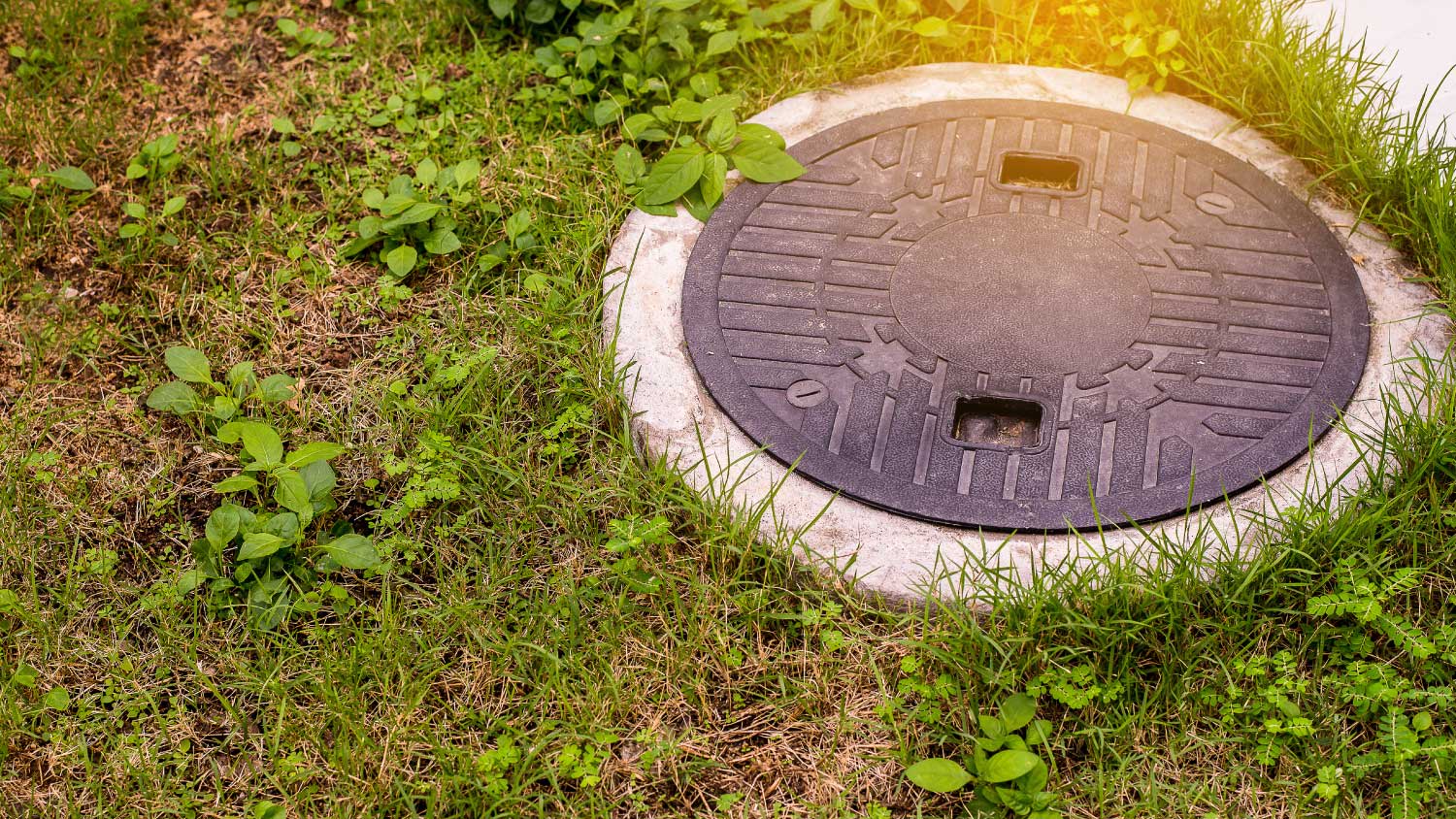
Septic tanks come in multiple shapes, sizes, and materials. However, they’re often round or rectangular in shape and made from concrete, fiberglass, or plastic. There’s a range of septic tank sizes, with the average model measuring 30 to 40 square feet and holding 1,000 to 1,500 gallons of waste.
Pump the tank every 3-5 years, avoid flushing non-degradable items, and address leaks promptly to extend system life.
The Harlem, MT homeowners’ guide to septic tank services
From average costs to expert advice, get all the answers you need to get your job done.
Caring for your septic system is crucial to ensuring its long life. But how much does it cost to pump a septic tank? We explore the different cost factors.
A damaged septic system can leak odors and sewage, so repairs are urgent. Find out how much septic tank repair costs based on repair type, tank size, and more.
Septic tank risers make it easy to access your septic tank when it’s time for routine inspection, maintenance, and pumping, saving you precious time and labor costs.
Septic tank sizes vary depending on the size of your home, how many people live there, how much water you use, and more. Read on to learn how to determine the right size for you.