"Steven and his crew worked very hard and on this challenging task. They were organized and mindful of protecting my roof for overnight thunder storms Thanks to our late spring weather rain sbowers great work Gentree!"
Buffing and Polishing questions, answered by experts
The best cleaning method to use for your project will depend on the specifics of that project. However, sandblasting does come with the risk of damaging the surface you’re trying to clean. One safer alternative to sandblasting is laser cleaning, which can remove many of the same contaminants with a lower risk of damage and a lower overall cost.
Due to the acidity, using vinegar to clean quartz countertops can actually damage them. In fact, doing so can cause discoloration and surface damage in the quartz. While it’s possible to clean other countertops, like laminate, tile, and butcher block, with vinegar, it’s best to stay from this cleaning solution if you have quartz in your kitchen or bathroom.
Common restored and polished stones include marble, granite, travertine, limestone, slate, and terrazzo. Each requires specific techniques and care.
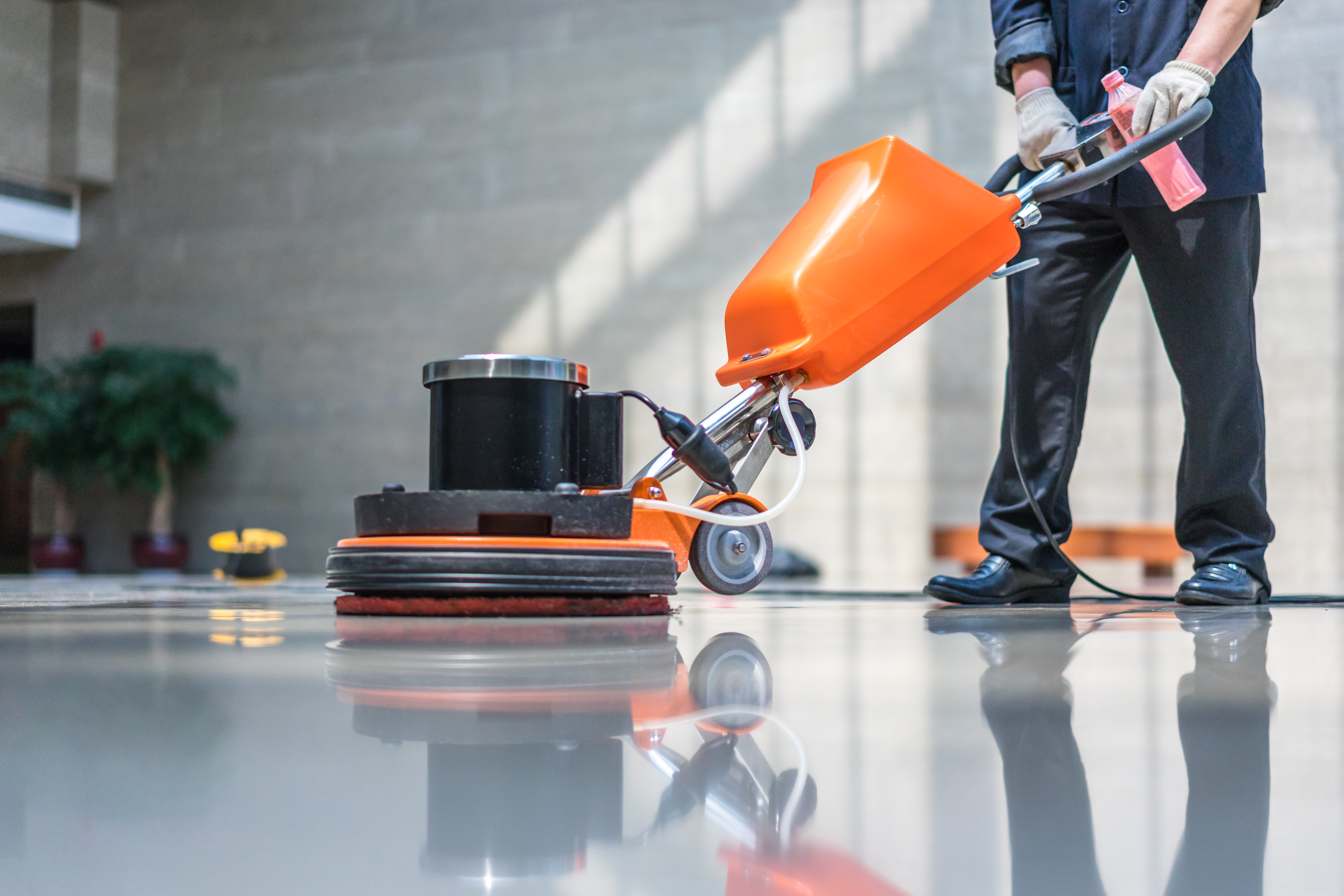
Yes, it is possible to buff and polish your floors yourself, particularly for smaller areas. However, this is considered an intermediate-level DIY project that is time-consuming and requires patience and know-how. The process involves cleaning the floors before applying a polish, which can be done manually with a cloth or with a rented or purchased floor buffer and buffing solution. If not done correctly, you risk leaving burn-like marks, puddles, or an uneven finish, which could lead to costly repairs. For larger spaces or to ensure a professional result, hiring a professional is often worthwhile. They use industrial equipment to complete the job faster, providing a deep clean and a more even, polished finish without damaging your floors.
Silestone® isn’t recommended for outdoor use because UV rays can damage the surface. Long-term exposure to direct sunlight can cause discoloration. Instead, choose an outdoor-friendly countertop material like tile, concrete, stainless steel, or natural stone. If you do choose a natural stone, make sure you either seal it or avoid highly porous stones. For example, choose soapstone over marble.
The Harlem, MT homeowners’ guide to buffing and polishing services
From average costs to expert advice, get all the answers you need to get your job done.
It’s impossible to keep floors damage-free over the years. Thankfully, the cost to refinish hardwood floors is far less than the price tag to replace them altogether.