We take great pride in our experience, expertise, quality, and customer service that we provide to meet the consumer's needs. It is our mission to provide excellent workmanship and complete customer satisfaction from start to completion of a project. In order to understand the needs and expectations of our customers, we take great care to work and communicate with every customer in a professional manner. Our reputation is based on service, safety, and quality, regardless of how large or small the job.
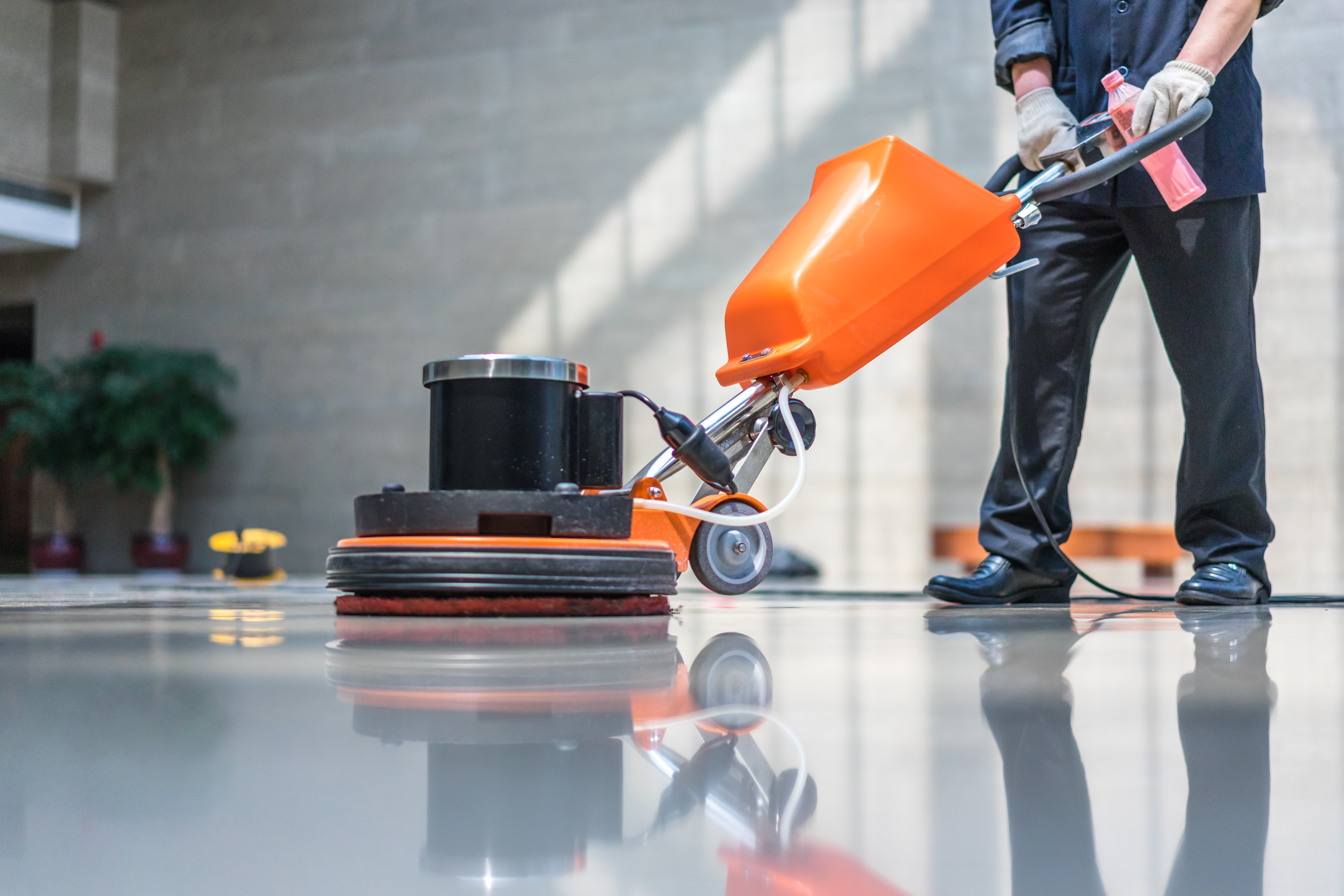
A floor polisher won’t remove scratches from a wood floor, but the polish can fill in surface scratches and make them all but invisible. If you run your fingernail gently over the scratch and it doesn’t catch, chances are that the polish will hide it. If it does catch, you might want to have your floors fully refinished, and you might need to have a professional floor sander in for particularly deep scratches. When in doubt, call a professional floor polisher to determine if polish will fill in your scratches or if you need more in-depth services.
Due to soapstone's non-porous nature and antimicrobial properties, you don’t need to seal it like other stone materials like marble or granite. However, even though sealing isn't required, it can enhance soapstone's natural stain resistance. Another protective option is to apply mineral oil once per month.
Like most stones, limestone should be sealed. Its porous nature makes it prone to staining from spills, and the iron in the stone can cause it to turn yellow when exposed to moisture or harsh chemicals. Proper sealing can help prevent these problems and protect the stone's appearance.
To maintain tile and grout, clean the surfaces regularly with mild, non-abrasive cleaners and wipe up spills promptly to prevent buildup. It is also important to reseal the grout every 1-2 years to maintain its durability.
The frequency for sealing granite countertops depends on several factors, including the type of sealant used, the color of the granite, and how heavily the countertops are used. As a general guideline, resealing is often recommended every 12 to 18 months, but some sources suggest it could be as often as every few months or at least once a year.
The type of sealant is a major factor: water-based sealants may need reapplication every six months to a year, while more durable solvent-based sealants can last for five to 10 years. Additionally, factors like heavy kitchen traffic, frequent use of acidic cleaners, and lighter granite colors may require more frequent sealing to prevent staining.
To determine if your countertops need resealing, you can perform a simple water test. Place a few drops of water or a wet paper towel on an inconspicuous area of the granite. After 10 to 15 minutes, check the spot. If the water has beaded up, the seal is still intact. If the water has been absorbed and darkened the stone, it's time to apply a new coat of sealant. You can choose to seal the granite yourself or hire a professional to ensure it's done correctly.
The Big Sandy, MT homeowners’ guide to buffing and polishing services
From average costs to expert advice, get all the answers you need to get your job done.