"Timothy did a fantastic job replacing our toilet in our bathroom. He explained everything as he worked, helped us to get the best pricing possible on the job and was very friendly with my four year olds of daughter who was thrilled to receive an ECO sticker! Timothy went above and beyond to help us today and we will definitely be using ECO Plumbers again!"
Hi, my name is Andrew. I’m an experienced irrigation technician currently working as an assistant superintendent at the Powder Horn with a background in irrigation repairs, troubleshooting, maintenance, spring startups, and fall winterizations. My goal is to build a reputation for reliable service, professional workmanship, and honest communication while growing from a small owner-operated company into a full-service irrigation contractor.
Bermuda grass is one of the fastest-growing warm-season grasses because of its system of aboveground stems (stolons) and below-ground stems (rhizomes). Adequate water and sunlight in a warmer climate will nurture the spread of Bermuda grass. This rapid growth rate makes Bermuda grass resilient and effective at choking weeds. However, this aggressive advancement can also make the grass difficult to contain and control.
Properly preparing the soil for planting grass seed may include applying fertilizer several weeks before spreading the seed if you plan to overseed the lawn. However, in most cases involving a brand-new lawn, spreading a starter fertilizer along with the grass seed will give it the best chance of taking root quickly and growing strong.
The amount of time it takes for grass to germinate varies depending on the grass species. Even after germination, it’s going to take a while to see grass blades start emerging from soil. Some grasses germinate quickly and emerge after several days of growth (and healthy watering). Others may take up to three weeks to show themselves. Cool-season grasses tend to take the longest to germinate at one month.
The best time of year for power seeding depends on your local climate. The soil should be warm, but the air should be cool. If the weather gets too hot after you grow new grass seed, it can die off easily. The best time for power seeding warm-season grasses is late spring to summer, and the best time for power seeding cool-season grasses is in the fall.
Whether or not grass will fill in bare spots itself depends on the type of grass you have. For example, grass with rhizomes (e.g., Bermuda grass) and stolons (e.g., Saint Augustine grass) will naturally fill in bald spots as it spreads laterally. However, clump-forming grasses will not spread.
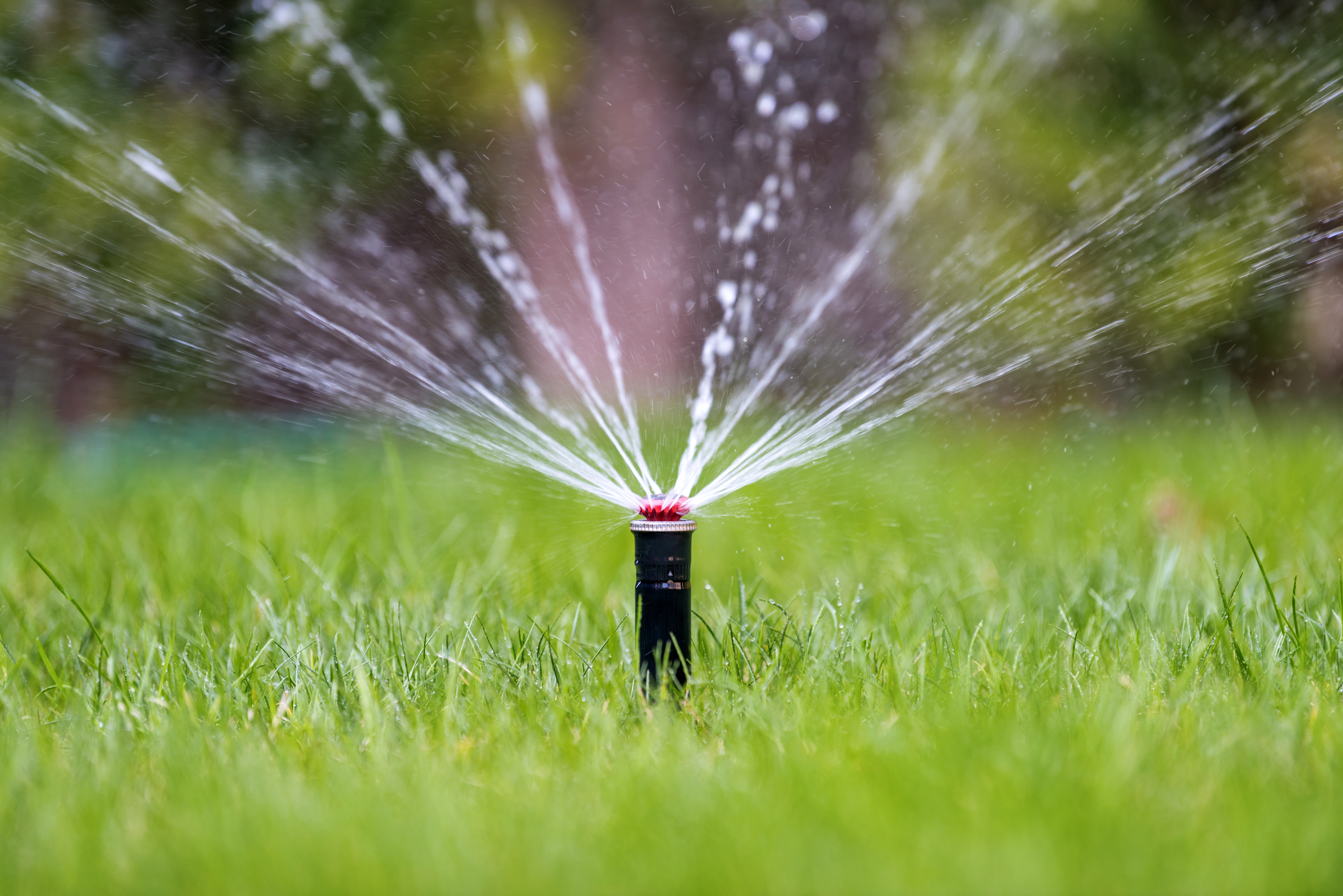
The Broadus, MT homeowners’ guide to lawn irrigation services
From average costs to expert advice, get all the answers you need to get your job done.
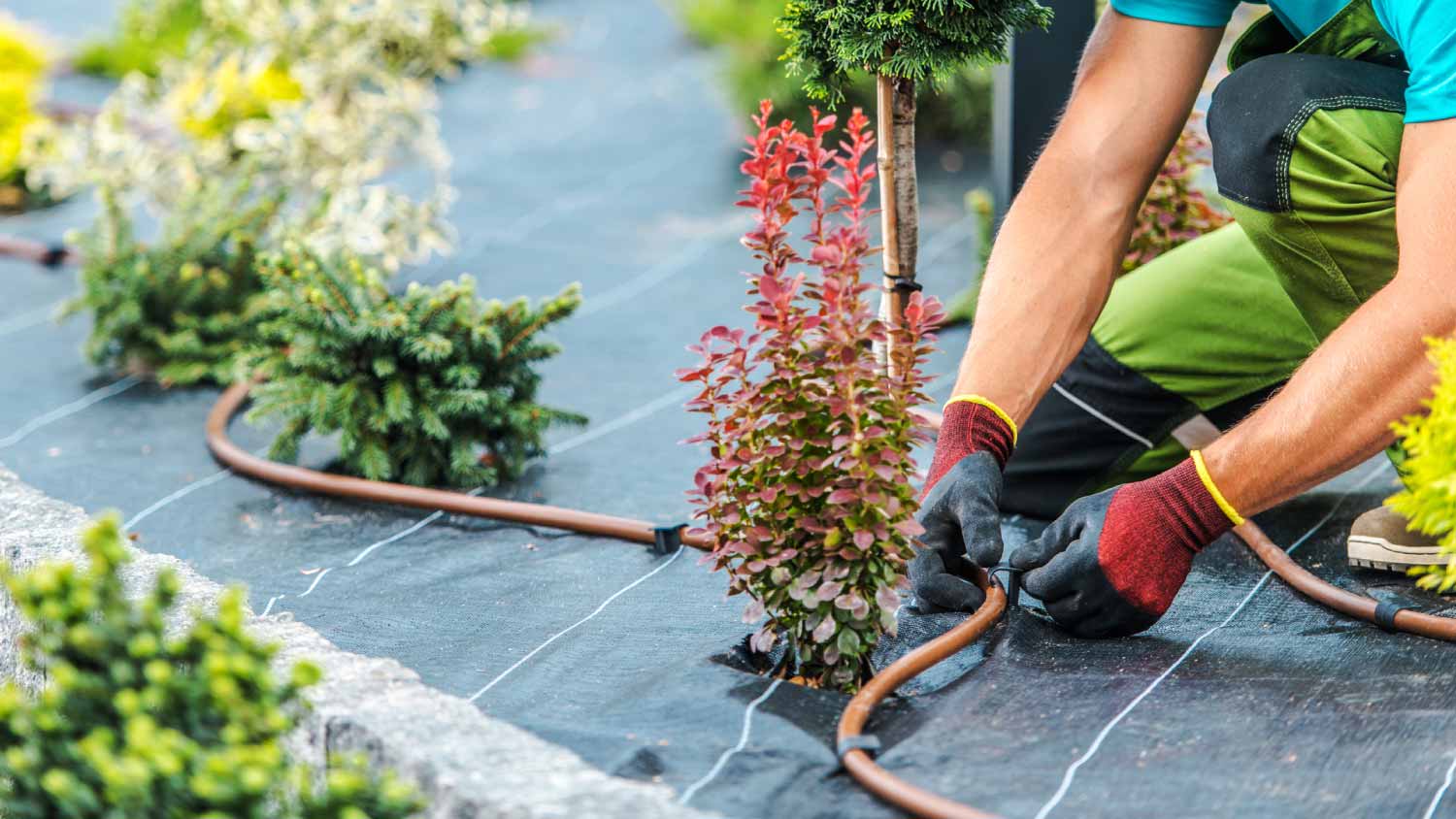
Need an effective solution for watering your garden? Here are four types of drip irrigation systems that can help you nurture your plants to perfection.
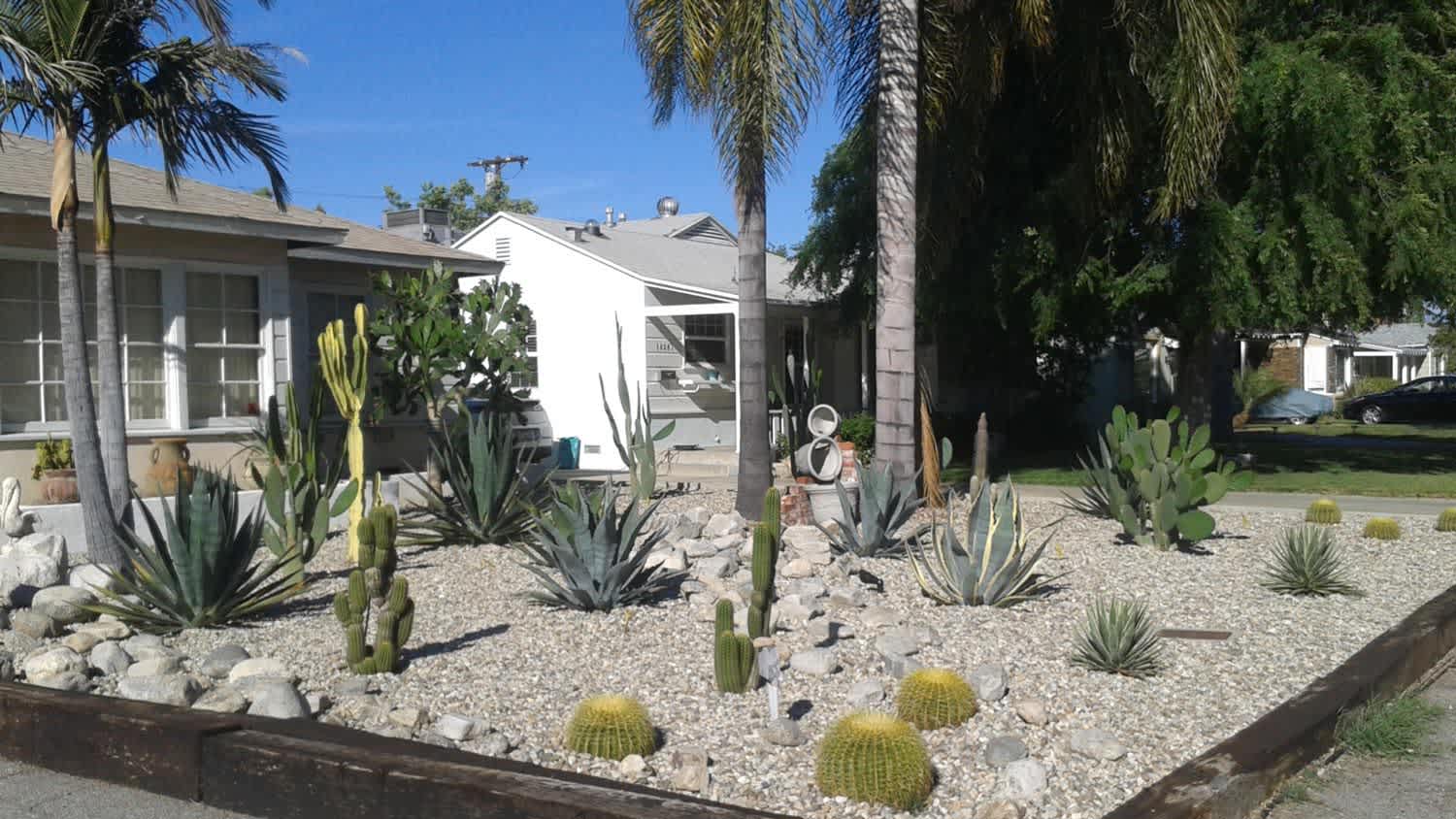
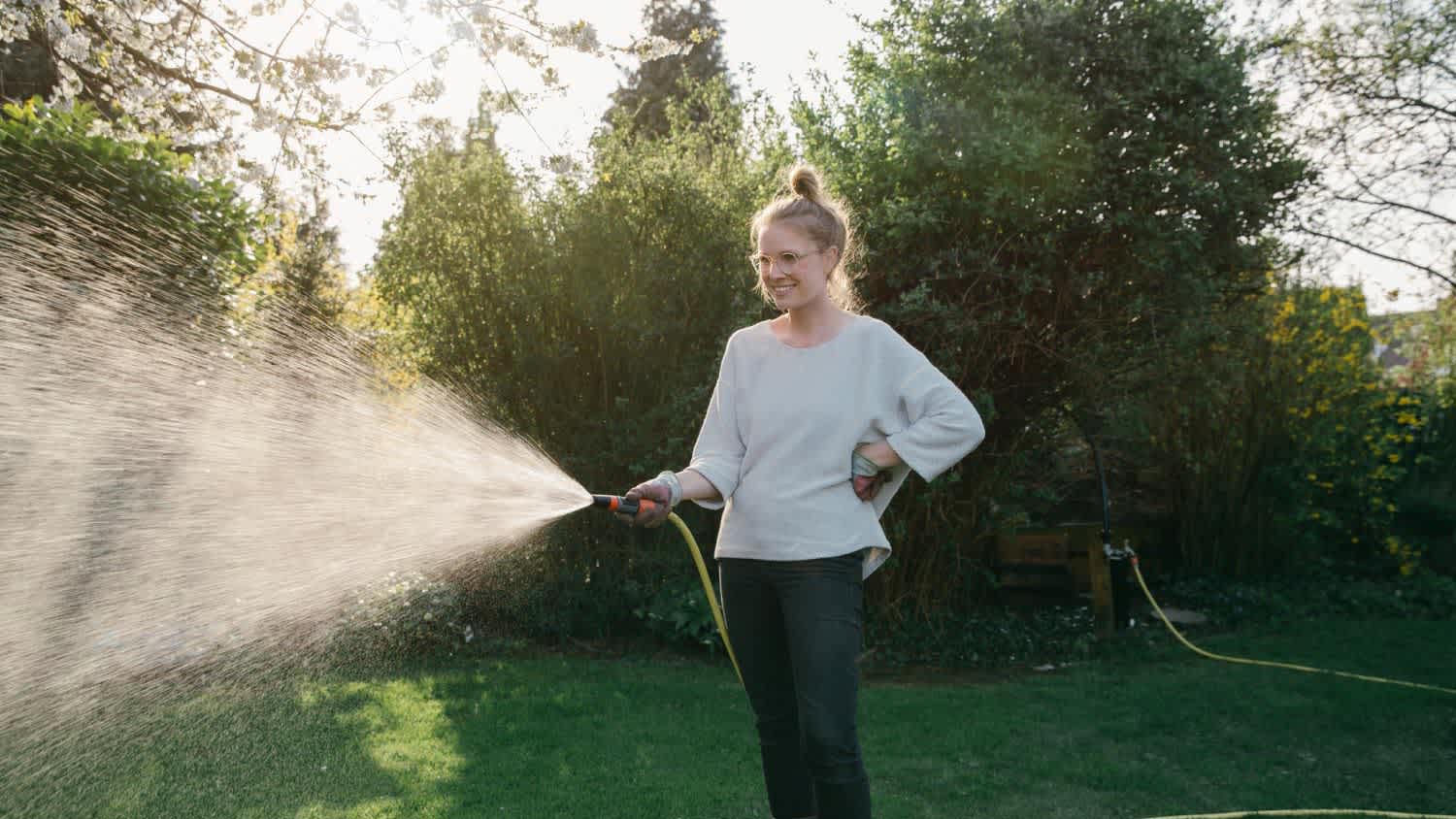
Can you keep your lawn healthy without a costly irrigation system? Absolutely. Learn the best way to water a lawn without a sprinkler system with this guide.