
Top-rated energy efficiency auditors.

Get matched with top energy efficiency auditors in Webb, MS

Enter your zip and get matched with up to 5 pros

Need a pro for your energy efficiency auditing project in Webb, MS?

Select your specific project to find the pro for you.

Find Energy efficiency auditors in Webb

Avatar for ADT Solar
ADT Solar
4.4(
111
)
Energy Audit - For BusinessHome Energy Audit

Serving Webb, MS and surrounding areas

In business since 2008

Free estimates

Warranties offered

"Rep. checked entire system. He found several wires not connected properly and fixed this. He also made recommendations regarding the attachment of the panels to the rood that would provide more stability and leakproofing. The representative appeared to know what he was doing - much better than others, including the representative who was engaged by the roofer (who replaced our rood due to hail damage) to disconnect/connect the panels."
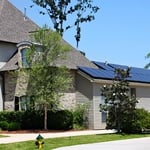
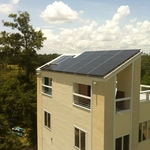
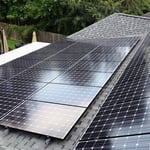
11 kW PV Installation
5 kW PV Installation
9.5 kW PV Installation
Recommended by89%of homeowners

Energy Efficiency Auditing questions, answered by experts

Attic and whole-house fans improve a home's energy efficiency and comfort. They ventilate hot air from the attic, which reduces peak cooling loads, lowers reliance on air conditioning, and decreases indoor temperatures. This improved air circulation and expedited heat exit helps lower cooling costs, balance moisture levels, and enhance overall natural airflow, contributing to the efficient operation of other home equipment.

Leaving vents open but closing doors in unused rooms will probably not save money on your energy bill. Closed doors prevent the natural flow of air throughout the home, which could reduce the efficiency of the overall HVAC system. They could also restrict airflow into and through the return vents, making the HVAC system less efficient.

STC (Sound Transmission Class) is a rating that describes how well a building material or assembly blocks airborne sound. A higher STC rating means less noise will pass through the material, providing better sound reduction. This rating system applies to various building components, including windows, doors, flooring, drywall, and insulation.

For context, a typical single-pane window has an STC rating of around 25 (where normal conversations are audible), while a well-sealed, double-pane window can exceed STC 45 (blocking loud speech and most music). It is important to note that for some products, like soundproofing drywall, the STC rating refers to the entire wall system, not just the individual panel.

Additionally, STC ratings are most effective for measuring sound reduction at mid-to-high frequencies, such as human speech, and may not accurately reflect how well a material blocks low-frequency sounds like bass music or thunder. Because of these factors, it is recommended to consult a professional to determine the right STC-rated materials for your specific soundproofing needs.

R-value is calculated by dividing the thickness of an insulation material by its thermal conductivity. The material's composition and density influence thermal conductivity. Materials with lower conductivity values provide better insulation. The higher the R-value, the better the material is at insulating, helping homeowners select insulation that meets the energy needs of their climate and home layout.

Common warning signs of an overloaded electrical panel or meter box include frequent circuit breaker tripping, flickering or dimming lights, scorch or burn marks, and a burning scent coming from the panel. A circuit breaker trips as a protective measure to prevent overheating and potential fires. If you observe any of these signs, turn off the affected circuit breaker and move some devices to a different circuit. If the problem persists after turning the breaker back on, you should contact a professional electrician to resolve the issue.

The Webb, MS homeowners’ guide to energy efficiency auditing services

From average costs to expert advice, get all the answers you need to get your job done.