


Top-rated energy efficiency auditors.

Get matched with top energy efficiency auditors in Sidon, MS

Enter your zip and get matched with up to 5 pros

Need a pro for your energy efficiency auditing project in Sidon, MS?

Select your specific project to find the pro for you.

Find Energy efficiency auditors in Sidon

Avatar for ADT Solar
ADT Solar
4.4(
111
)

Serving Sidon, MS and surrounding areas

In business since 2008

Free estimates

Warranties offered

"Rep. checked entire system. He found several wires not connected properly and fixed this. He also made recommendations regarding the attachment of the panels to the rood that would provide more stability and leakproofing. The representative appeared to know what he was doing - much better than others, including the representative who was engaged by the roofer (who replaced our rood due to hail damage) to disconnect/connect the panels."
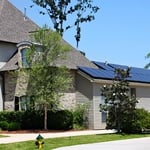
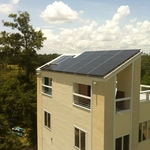
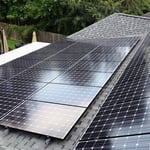
11 kW PV Installation
5 kW PV Installation
9.5 kW PV Installation
Recommended by89%of homeowners

Energy Efficiency Auditing questions, answered by experts

Wood windows fall in the middle of the window frame materials when it comes to energy efficiency. They’re more insulating than aluminum and vinyl, but they aren’t as efficient as fiberglass or composite frames. If you love the look and lifespan of wood windows and want to maximize efficiency, you can upgrade to double-pane or triple-pane glass and consider window tinting and low-emissivity (low-E) coatings to minimize heat transfer.

Replacing a window frame will improve your home’s energy efficiency if the old frame is cracked or damaged in a way that allows unconditioned air from the outside into your living space or if you upgrade to a more energy-efficient window frame material. Aluminum is the least energy-efficient window frame material, followed by vinyl and wood. Fiberglass and composite frames are the most energy-efficient.

Heat pumps transfer existing heat instead of generating it, using less energy. Compared to baseboard heaters, they can reduce heating costs by up to 50% and provide efficient cooling, lowering electricity bills and carbon footprint.

Provide utility bills and clear access to all areas of the home, including the attic and basement.

A good SEER rating for an HVAC system is typically between 15 and 20. However, minimum requirements vary by location; HVAC systems in northern states must have at least a 14 SEER rating, while those in southern states need a minimum of 15. For the highest possible efficiency, look for units with a SEER rating of 21 or higher. It's important to remember that a SEER rating represents the maximum efficiency a unit can achieve, not the level at which it will operate at all times.

The Sidon, MS homeowners’ guide to energy efficiency auditing services

From average costs to expert advice, get all the answers you need to get your job done.