

Top-rated energy efficiency auditors.

Get matched with top energy efficiency auditors in Drew, MS

Enter your zip and get matched with up to 5 pros

Need a pro for your energy efficiency auditing project in Drew, MS?

Select your specific project to find the pro for you.

Find Energy efficiency auditors in Drew

Avatar for ADT Solar
ADT Solar
4.4(
111
)
Energy Audit - For BusinessHome Energy Audit

Serving Drew, MS and surrounding areas

In business since 2008

Free estimates

Warranties offered

"Rep. checked entire system. He found several wires not connected properly and fixed this. He also made recommendations regarding the attachment of the panels to the rood that would provide more stability and leakproofing. The representative appeared to know what he was doing - much better than others, including the representative who was engaged by the roofer (who replaced our rood due to hail damage) to disconnect/connect the panels."
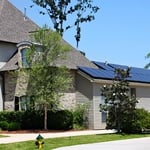
11 kW PV Installation
5 kW PV Installation
9.5 kW PV Installation
Recommended by89%of homeowners

Energy Efficiency Auditing questions, answered by experts

Thankfully, LED lights use less electricity than incandescent lights, meaning you won’t spend as much on utility bills by using these light strips. Each 5-meter LED light strip will cost about $3 per year on your energy bill.

Installing weather stripping or upgrading to insulated panels can improve efficiency.

Leaving lights on raises the electric bill, but not as much as having high-wattage light bulbs. The best way to save on electric costs is to swap your light bulbs to LED or CFL bulbs that use far fewer watts. You can also use smart lights and light switches to control usage via a smartphone or voice-controlled device.

Smart glass doesn’t use a lot of electricity, and you can expect a standard window to add between $1 and $2 per year to your electric bills. Smart glass is proof that energy-efficient windows work. Although your smart windows may consume a little energy to operate, they can save enough energy to offset the costs. If you’re concerned about the minimal bump to your electricity consumption, you can opt for smart tint, which doesn’t require electricity to work.

There is no blanket figure for a residential home’s electrical load, since load varies by the size of the home, how many appliances are used, and the efficiency of their electrical systems. Typically, however, it’s safe to assume 40 to 60 amps is the average electrical load of a residential home. 

The Drew, MS homeowners’ guide to energy efficiency auditing services

From average costs to expert advice, get all the answers you need to get your job done.