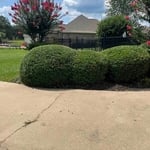
Bechtel's Lawn Care, LLC is committed to excellence in every aspect of our business. We uphold a standard of integrity bound by fairness, honesty, and personal responsibility. Our distinction is the quality of service we bring to our customers. Accurate knowledge of our trade, combined with the ability, is what makes us true professionals. Above all, we are watchful of our customers' interests, and make their concerns the basis of our business.
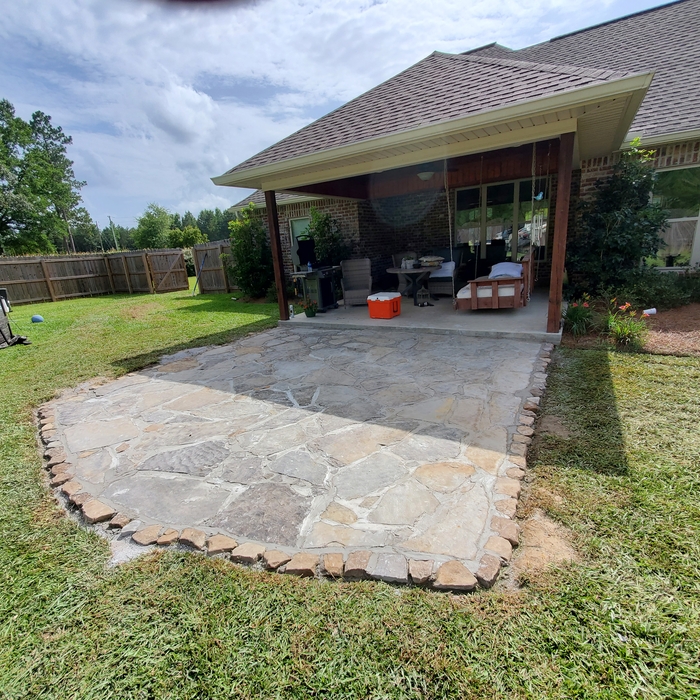
Satterfields Land Improvement is committed to excellence in every aspect of our business. We uphold a standard of integrity bound by fairness, honesty, and personal responsibility. Our distinction is the quality of service we bring to our customers. Accurate knowledge of our trade combined with ability is what makes us true professionals. Above all, we are watchful of our customers' interests, and make their concerns the basis of our business.
Were a locally owned and operated company that values honesty and integrity and treats your home as if it were our own. Our services are customized to the individual project, paying close attention to the details of each project that we're involved with. We pride ourselves on the quality of our work as well as our commitment to outstanding results. We look forward to building lasting relationships and guaranteeing your satisfaction!
\n
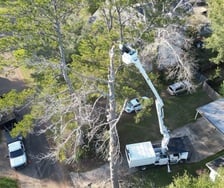
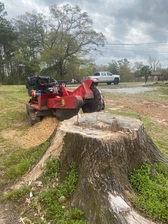
Haynes Stump Grinding is committed to excellence in every aspect of our business. We uphold a standard of integrity bound by fairness, honesty and personal responsibility. Our distinction is the quality of service we bring to our customers. Accurate knowledge of our trade combined with ability is what makes us true professionals. Above all, we are watchful of our customer's interests, and make their concerns the basis of our business.
Stump removal only* We take great pride in our experience, expertise, quality, and customer service that we provide to meet the consumer's needs. It is our mission to provide excellent workmanship and complete customer satisfaction, from the start to the completion of a project. In order to understand the needs and expectations of our customers, we take great care to work and communicate with every client in a professional manner. Our reputation is based on service, safety, and quality, regardless of how large or small the job.
We are committed to excellence in every aspect of our business. We uphold a standard of integrity bound by fairness, honesty, and personal responsibility. Our distinction is the quality of service we bring to our customers. Accurate knowledge of our trade combined with ability is what makes us true professionals. Above all, we are watchful of our customers' interests, and make their concerns the basis of our business.
My name is Porsche Dyer, and I own a local lawn care, power washing, and detailing business. I take pride in providing dependable, quality work at fair prices and treat every customer’s property as if it were my own.\nLawn Care & Property Maintenance\nI offer lawn mowing, weed eating, edging, yard cleanups, vine and brush removal, hedge and limb trimming, leaf and debris cleanup, and routine property maintenance. Whether you need a one-time cleanup or recurring lawn service, I’m here to help keep your property looking its best.\nPower Washing\nI provide professional power washing for houses, carports, driveways, sidewalks, patios, decks, fences, sheds, and other outdoor surfaces. This is a great way to remove built-up dirt, mildew, algae, and grime while restoring your property’s curb appeal.\nDetailing Services\nI offer professional interior and exterior detailing for cars, trucks, SUVs, motorcycles, four-wheelers, side-by-sides, trailers, campers, and more.
Hey everyone! My name is Logan, owner of Fourty-Nine Inflatables & Lawn Maintenance!\n\nWe offer a variety of services to help with projects around your home or property, including:\n\n* 🏠 Interior and exterior home improvements\n* 🚜 Dirt work\n* 🌳 Tree work\n* 🚧 Wood and metal fencing\n* 🌿 Lawn maintenance\n* 🛠️ General property projects and more!\n\nIf you have a project you’ve been putting off or just don’t feel like dealing with the hassle, let us take care of it for you!\n\nWe’d love the opportunity to earn your business. No job is too much hassle when you can leave it to us! Give us a message today for a quote!\n\nThank you for supporting a local business! 🤝
If you’re wondering why tree trunks are painted white in your area, it’s usually to prevent sunscald, a condition where extreme shifts in temperature can cause tree bark to split. Fruit trees are especially vulnerable to sunscald, so this treatment is worth considering if it’s something that affects your trees.
Make sure the tree roots soak around a day before you dig the tree up for the transplant. Keep the roots wet while the tree is above ground. After the transplant is finished, provide consistent water every day for the first month or so. You don’t want to overwater the tree, but you do want to keep the roots wet so they can thrive in their new environment.
Pruning can impact cold hardiness—but it’s less about the exact temperature and more about temperature variation. Generally, you don’t want to prune trees when there’s a risk of temperatures suddenly dropping from 50 to 60 degrees Fahrenheit to 0 degrees Fahrenheit or below. A tree is most sensitive until 48 hours after it’s pruned.
Not all leaning trees are dangerous, but they can be a hazard as gravity may eventually cause them to fall. A key factor is whether the lean is new or has been present for a long time. Trees that have grown with a lean for years are not typically an immediate danger, but a sudden lean is a cause for concern as it often indicates weakening roots. If a tree is leaning more than 15% from vertical, you should consider having it straightened or transplanted. To be safe, it's always best to hire a professional arborist to inspect any leaning tree to assess the risk and avoid potential accidents.
The best time to cut down a tree is during its dormant season, typically in winter or early spring, after all the leaves have fallen. Removing a tree during this period is advantageous for several reasons. Frozen ground helps secure the tree stump, protects the surrounding landscape from damage, and reduces the risk of the tree falling in an unintended direction. With the leaves gone, there is less risk of the tree's foliage getting tangled with other trees. Additionally, since this is often a slower season for tree services, you may be able to hire a professional at a lower rate. This dormant period is also the best time for tree trimming.
The Seminary, MS homeowners’ guide to arboricultural services
From average costs to expert advice, get all the answers you need to get your job done.
How much does an arborist cost? This guide explains the cost of different services, ongoing expenses, and other factors to consider when hiring an arborist.
Tree inspections can ensure your trees stay healthy and safe, preventing costly damage. Learn how much tree inspections cost and what can affect the price.
Arborists are specialized tree care experts. This guide will help you hire an arborist with all the qualifications to give your trees the best care possible.