



Top-rated excavation pros.

Get matched with top excavation pros in Heidelberg, MS

Enter your zip and get matched with up to 5 pros

Need a pro for your excavation project in Heidelberg, MS?

Select your specific project to find the pro for you.

Find Excavation pros in Heidelberg

Avatar for Dumpster Dog
Dumpster Dog
5.0(
10
)

Serving Heidelberg, MS and surrounding areas

Approved

In business since 2023

Free estimates

Credit card accepted

"If youâ re looking for a business of quality and ethic.. LOOK NO FURTHER!! Easy communication and top notch customer service!"

Junk Removal
Junk Removal
Junk Removal
Junk Removal
Junk Removal

+16

Response time10 hrs
41 neighbors recently requested a quote
Recommended by77%of homeowners
Avatar for Thigpen Septic Tank Service
Thigpen Septic Tank Service
4.7(
55
)

Serving Heidelberg, MS and surrounding areas

Credit card accepted

"Very professional service. Price was as quoted and less than local competitors. Showed up a little late but contacted us to let us know he was running behind first. Took about an hour to complete the work. Would definitely use them again."
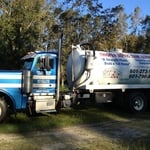
Truck
Truck & Jerrys
Truck door & Jerrys
Truck
Additional Photos

+5

Recommended by96%of homeowners

Avatar for Monroe Construction
Monroe Construction
5.0(
6
)

Serving Heidelberg, MS and surrounding areas

In business since 2019

Free estimates

Small jobs welcome

"I highly recommend James Monroe Construction. They recently did some painting for us. They also made some repairs to some of our sheetrock and wallpaper. They did an awesome job. It looks great. They are professional and respectful. I will hire them again."
Response time3 days
Recommended by100%of homeowners
...
Showing 1-10 of 51
Excavating questions, answered by experts

You should dig 3 to 6 inches deep for plastic edging. Dig as wide as you need to fit your plastic edging into it—2 inches is usually sufficient.

How deep your septic system needs to be into the ground depends on several factors. In extremely cold environments, the tank needs to rest below the maximum frost line, which can be up to six or eight feet deep. The standard burying depth for most systems is between a few inches and four feet below ground level. Depth can also depend on the slope of the landscaping and other property variables. 

Depth is not a qualifying component of evacuation. Any human-made cut, cavity, or depression in the earth’s surface is considered excavation. The hole from excavation can be any size, shape, or depth. Excavation is used to create foundations, reservoirs, drainage ditches, and roads. Long, narrow excavations are called trenches and are often used for underground utilities.

No, a ditch isn’t a trench. A ditch is an open, relatively shallow channel that’s carved out of the ground and used for drainage purposes. In contrast, a trench is a deeper excavation that’s entirely underground. Trenches have many uses, including gas lines, sewage systems, and electrical wiring. Unlike trenches, ditches don’t get filled back in with dirt after they’re dug.

The best type of soil to build on is a mixture of sand and clay, known as loam soil. Loam soil has the best combination of these soil types to build a foundation on. The clay particles help with water retention, so it won’t erode like sandy soil might, and the sandy particles help with drainage, so you won’t see unsafe soil expansion or have an increased risk of leaks from water sitting against your foundation.

The Heidelberg, MS homeowners’ guide to excavation services

From average costs to expert advice, get all the answers you need to get your job done.

What do you need done? We’ll find top pros.
  • 🌱 "Mow a small front yard"
  • 🛠 "Fix a leaking pipe under the sink"
  • 🏠 "Repair shingles on an asphalt roof"