


Top-rated epoxy flooring pros.

Get matched with top epoxy flooring pros in Marion, MS

Enter your zip and get matched with up to 5 pros

Need a pro for your epoxy flooring service project in Marion, MS?

Select your specific project to find the pro for you.

Find Epoxy flooring pros in Marion

Avatar for B&S Painting
B&S Painting
4.8(
3
)

Serving Marion, MS and surrounding areas

In business since 2018

Free estimates

Credit card accepted

"Very professional and courteous, efficient and focused on getting the job done! I’m pleased with the work and will tell everyone I know such a great job! Thank you so much!"
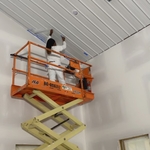
Newly built home
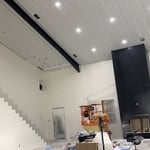
Stairs and fire place and beam across the top
Kitchen and upstairs loft
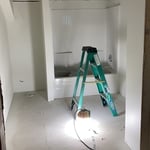
Bathroom
Down stairs

+9

Response time2 days
Recommended by100%of homeowners
Showing 1-10 of 17
Epoxy Flooring questions, answered by experts

Yes, concrete driveways benefit from a driveway sealant. However, applying the wrong sealant to your concrete driveway can actually make it a safety hazard by turning the surface slippery if wet, so avoid epoxy or polyurethane sealers and go for an acrylic or a penetrating concrete sealer instead.

Yes. So-called “floating” cork floors can be installed over concrete subfloor, though a polyethylene vapor barrier is required. This type of installation is achieved using the glue-down tiles, which are trickier for a DIY approach, so consider calling a professional to help you if you’re planning to install your cork floor over concrete. 

Professionals ensure effective adhesion by choosing the right adhesive for the materials, preparing surfaces properly, and applying pressure as needed. This attention to detail ensures durable connections in various applications from construction to repairs.

Outdoor kitchens get wet and are sometimes next to pools. To avoid accidents, go with a non-slip material like concrete, brick, or rubber. Avoid materials like ceramic and porcelain, as they are known to be quite slippery. Wood and composite flooring can be slippery if untreated, so make sure to stain or finish these materials.

Garage floor sealers last anywhere from one to 10 years on average, depending on the type of sealer you use and the traffic it’s exposed to. Acrylic sealers have the shortest longevity, whereas most other options can last anywhere from five to 10 years. If you use an acrylic sealant to protect against stains, reapply every one to two years. Reapply other types of concrete sealers every five years for the best results and maximum protection.

The Marion, MS homeowners’ guide to epoxy flooring services

From average costs to expert advice, get all the answers you need to get your job done.