
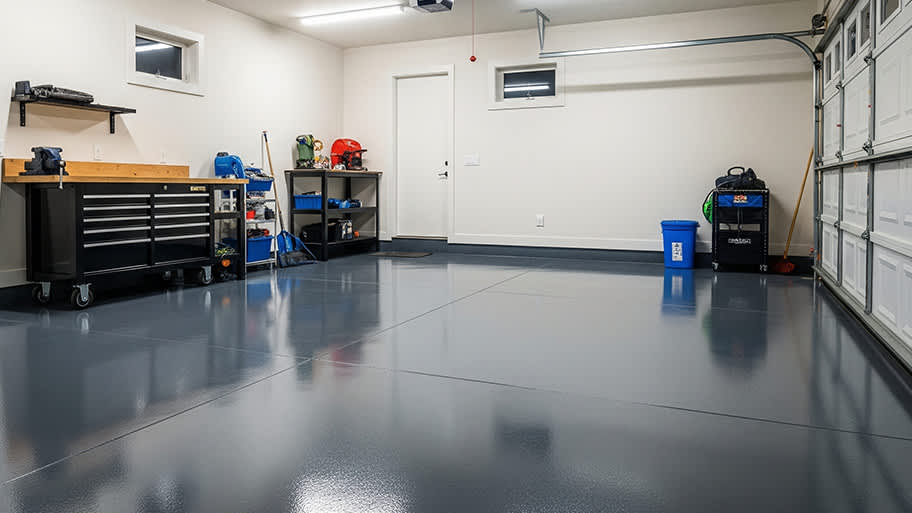
This guide breaks down the cost of installing epoxy flooring in your garage, basement, or other space. Costs depend on resin type, floor size, and more.
Epoxy floor care is easy—if you stay on top of it.

Regular epoxy floor maintenance keeps your floor looking new by preventing dirt and grit from embedding into the surface and scratching the protective coating.
Your epoxy flooring investment stays protected when you use gentle, ammonia-based cleaners and avoid soap-based or acidic products that leave streaks or strip the glossy finish.
Clean up spills right away to prevent staining and slippery surfaces, especially chemical spills like gas or paint that can permanently damage your epoxy floor.
Hiring a local garage floor coating professional provides reliable help with stubborn stains and deep scratches, keeping your floor looking its best for years.
Choosing flooring for your home is a big decision, but if you are planning for a basement or garage, you cannot go wrong with epoxy. Epoxy floors are versatile and durable, thanks to their protective coating. Another bonus: The floor’s smooth surface makes cleaning and maintaining them simple, especially if you follow some go-to maintenance tips to make the cleaning routine even smoother.
Just like other areas of the home, regularly cleaning your epoxy floor is one of the best ways to keep it in good condition. If dirt or grit build up, they can easily get embedded in the floor, which can scratch the epoxy covering and damage the surface.
Use a vacuum or broom to sweep up any debris or dirt. If you clean regularly—daily to once a week—caring for and maintaining your epoxy floor will not take much time.

In addition to regular cleaning, you should do a deep clean twice a month. Sweep or vacuum the dirt and debris first, just as you would with a regular cleaning, then use a microfiber mop to clean the floor with ammonia diluted with hot water. (Typically, you will want to combine two to three ounces of ammonia per gallon of water.)
Cleaning your epoxy floor is simple, as long as you read the labels on cleaning products. Solutions that contain acids, including citrus or vinegar, may strip the epoxy of its glossy coating. You will also want to avoid using soap-based cleaners; the residue can leave a film coating, haze, or streaks that reduce the epoxy’s shine. The residue left by soap-based or acid-based cleaners can also make the floor slippery, which is a danger for everyone—but especially quick-moving kids or people with mobility issues.
Make the best epoxy floor cleaner yourself by mixing two to three ounces of ammonia with one gallon of water. Whether you have a single-color epoxy floor, a patterned floor, or a custom flooring installation created with other epoxy floor ideas, this cleanser will keep it looking its best.
Most epoxy floors are waterproof or water resistant, but you should still clean up spills right away. Water will not hurt epoxy, but it can make the floor very slippery and pose a danger to people walking through. Chemical spills and dark liquids, on the other hand, can stain and cause permanent damage.
If your epoxy floor is in your garage or a work area, watch for spilled gas, paint, solvents, and other chemicals. Some can stain the surface, while others can actually eat away at the epoxy surface. Clean these up with a shop cloth, then use plain water or a gentle cleaning agent to remove any remaining residue. Thoroughly dry the area once clean.
One of the best ways to remove a stain or spot on your epoxy floor is by using a soft scrubbing brush, pad, or even a kitchen sponge to scrub gently with warm water. Always avoid steel wool, harsh scrubbing, and abrasive cleaners, such as Comet, as these can damage the floor’s surface. Even rust stains can usually be gently scrubbed away with a kitchen pad or sponge.
If a stain stubbornly resists removal or you need help maintaining your epoxy floor, call a garage floor coating expert near you for help.
Epoxy floors are a great solution for garage flooring, but they are not indestructible against chemical compounds and car-related chemicals. Automotive oil, gasoline, car fluids, and other substances are often caustic, especially when left to sit on epoxy flooring. If you notice spills, use a soft cloth like a shop cloth to clean up as much of the mess as you can; use a gentle soap or detergent to remove any remaining chemicals; and rinse the area clean with plain water before drying it completely.
Tires will leave marks on epoxy flooring; fortunately, they are usually easy to remove. Using a concrete degreaser is the simplest way. Spray the degreaser onto the tire marks, being sure to soak the marks completely. Let the degreaser sit for about 10 minutes, longer if the marks are especially dark or heavy.
Scrub the marks with a stiff-bristled nylon brush. The marks should come up. If any remain, repeat the process, soaking and scrubbing until the floor is clean. Then rinse the floor with water and dry it thoroughly.
Stubborn stains might happen after spilled liquids sit too long on the floor, or they can occur when items are left to rust on the floor. Whatever caused the stain, act as soon as you notice it for the best chance at complete removal. Start with the mildest cleaning solution, such as diluted soap or diluted ammonia, and work your way up to stronger products, such as one part warm water mixed with one part CLR. Use a sponge, plastic scour pad, soft deck brush, or stiff-bristled nylon brush.
Never use steel wool or any abrasive cleanser or cleaning pad on an epoxy floor. You will scratch the surface, which makes future stains more likely and permanent.
Epoxy flooring costs are an investment, so you will want to care for your floor properly, including protecting it from damage. Most damage to epoxy happens when it gets scratched or gouged by heavy equipment, furniture legs, or walking on dirty floors. Place welcome mats at all entrances to help keep dirt and grime from getting tracked into the room. If you have epoxy flooring in the garage, you might want to place mats throughout for an extra protective cushion, especially if there is heavy equipment or furniture that could cause damage or scratches.
As with most flooring, epoxy’s sealed surface helps prevent liquids and dirt from penetrating and damaging the floor. Because epoxy floors are made of hard resin, however, they are susceptible to scratching. When the sealant and surface are scratched or gouged, it compromises the whole floor. For this reason, you should repair any scratches, dings, gouges, or other damage immediately.
For minor surface scratches, use a dry cloth to apply polish that matches your epoxy floor color. Rub the polish into the surface in circular motions until the scratches disappear. Then buff the floor with a clean cloth to bring out the shine so that it matches the rest of the flooring.
For deeper scratches, wet the floor and then rub a piece of fine-grain sandpaper across the scratch and the area around it. Rub until you have buffed the scratch out and the floor appears even. Rinse the whole area, then let it dry. Use a soft cloth to apply polish to the whole area, rubbing in circular motions until the scratched and buffed area looks like the floor around it.
This company does it right. Firstly, I want to say that Landan was a joy to work with. He was so kind, transparent, and had everything under control. His entire team showed up ready to work and they were all very respectful of the fact that we were in an office space. A little backstory – we...
 Krumlauf Floors
Terrible experience. Walls/trim/floors/cabinets/doors all have drip marks, overspray, etc. Tiling at the fireplace had to be redone by another vendor due to incorrect and shoddy install by Profect. Contractor had his children in our house while he was on site without prior authorization or...
 Profect painting & exteriors
Finished Basements Plus was wonderful from beginning to end! First, they came out quickly for an estimate. I had 4 estimates and theirs was by far the best. (2 of the estimates were more than $20K higher than for the exact same work). Beyond their fair pricing, the work was excellent. They...
 Finished Basements Plus Inc.
AFS was excellent from start to finish. Jess, the sales associate, was fantastic...very knowledgeable and very professional. The installation crew was excellent. I couldn't be more pleased with the process. Best of all, my new floor looks fantastic!
 America's Floor Source
We were having 2”x 2” tile installed . There was a small installation error and the new additional replacement tile was from a different lot and the colors didn’t match. Joe assured us that he would rectify everything , which he did without hesitation. We decided to go with the 18” x 36” tile...
 CarifaTile
We hired Jim to replace our hardwood floors with new hardwood. He and his helper Jerry did a fantastic job. Their work ethic is impeccable!! We would highly recommend McColl Floors!
This was our second experience with The Waterworks and both times have been Exceptional! This time, Michael P. was our technician. He arrived on time, was super professional and respectful of our home and he even wore booties, a face mask, gloves and protected out kitchen floors with drop...
 The Waterworks
Chaz, the owner, was very responsive and he communicated with us throughout the entire process. The overall cost was in the middle compared to the three estimates we received. The installation crew was very professional. Chaz was considerate enough to send a crew back to our home to repair...
 Unique Hardwood Floor LLC
After our last tile guy took 3 weeks and all the tiles were uneven it was so great to find a true tile installer that takes pride in his work. Flooring Solutions is A quality, on time, and keep the job area clean. Will use over and over.
 Flooring Solutions
Despite written and verbal direction they installed floor in wrong room.
From average costs to expert advice, get all the answers you need to get your job done.
This guide breaks down the cost of installing epoxy flooring in your garage, basement, or other space. Costs depend on resin type, floor size, and more.
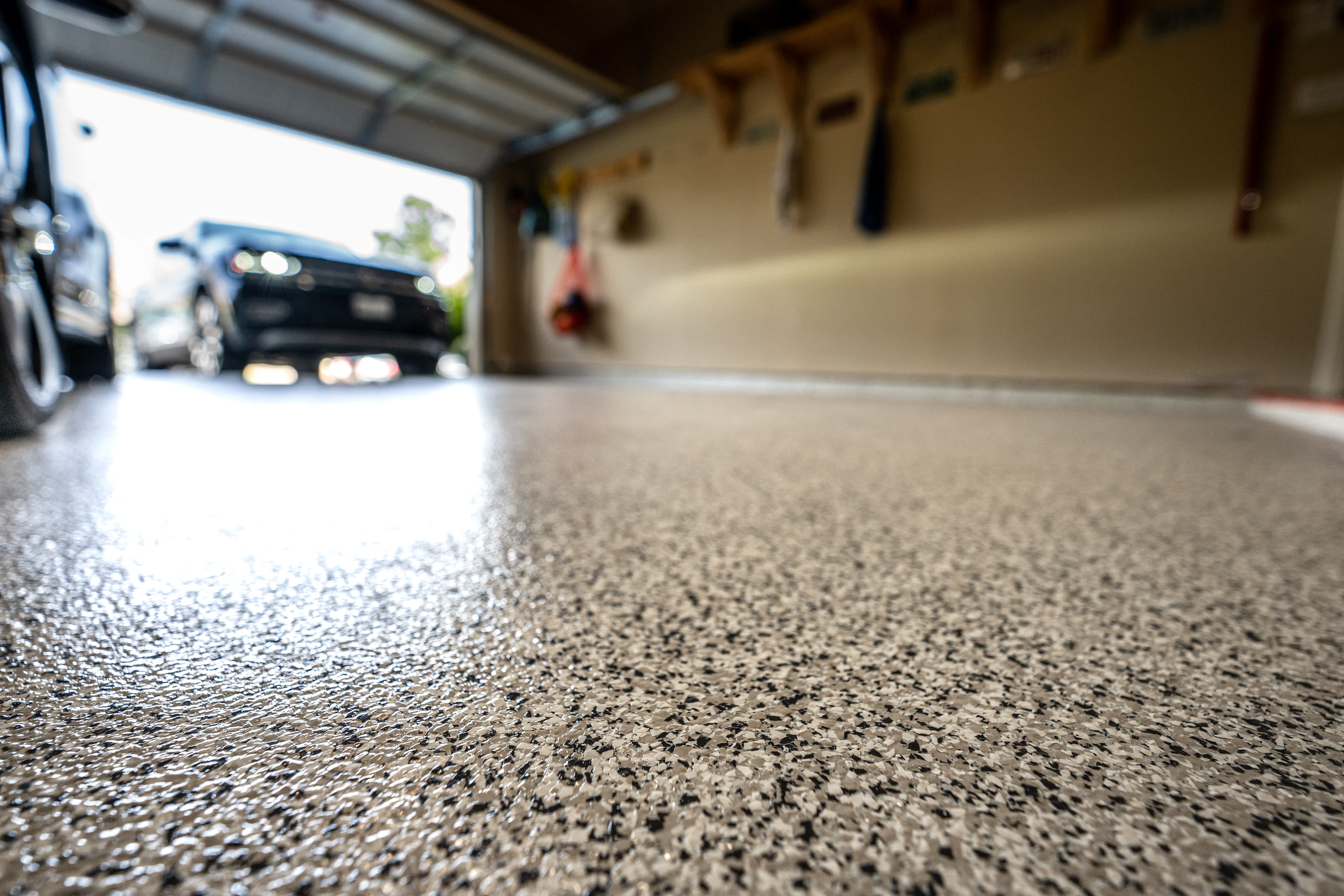
Want to give your worn-out garage floor a makeover? Learn how to apply an epoxy floor coating with this simple guide.
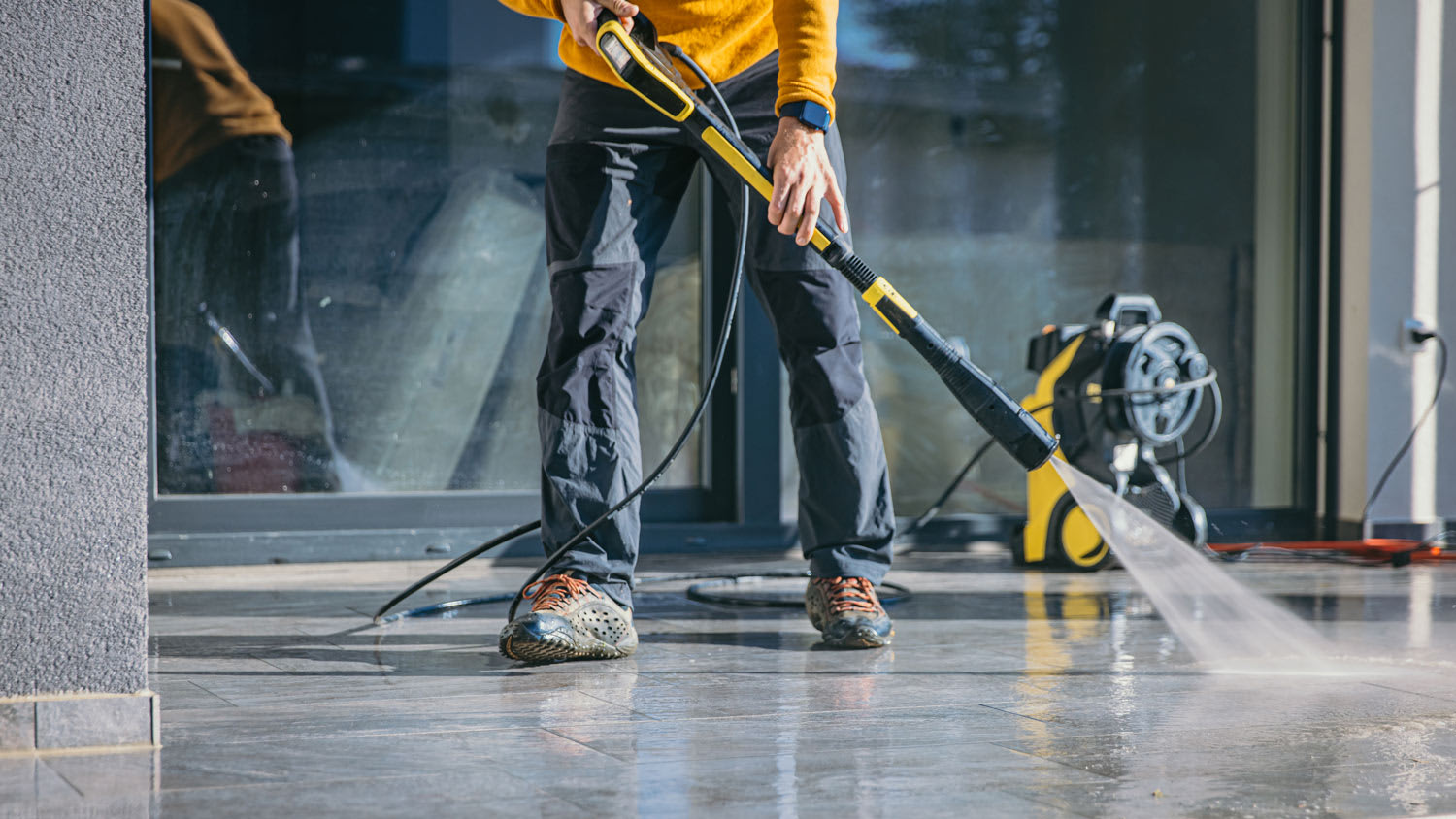
Cleaning epoxy off concrete via power washer could restore your floors or prepare them for a new look. Learn how to do the job safely with this guide.

Will your space thrive with epoxy floors? Make sure the room's purpose and your budget align with the pros and cons of epoxy flooring.
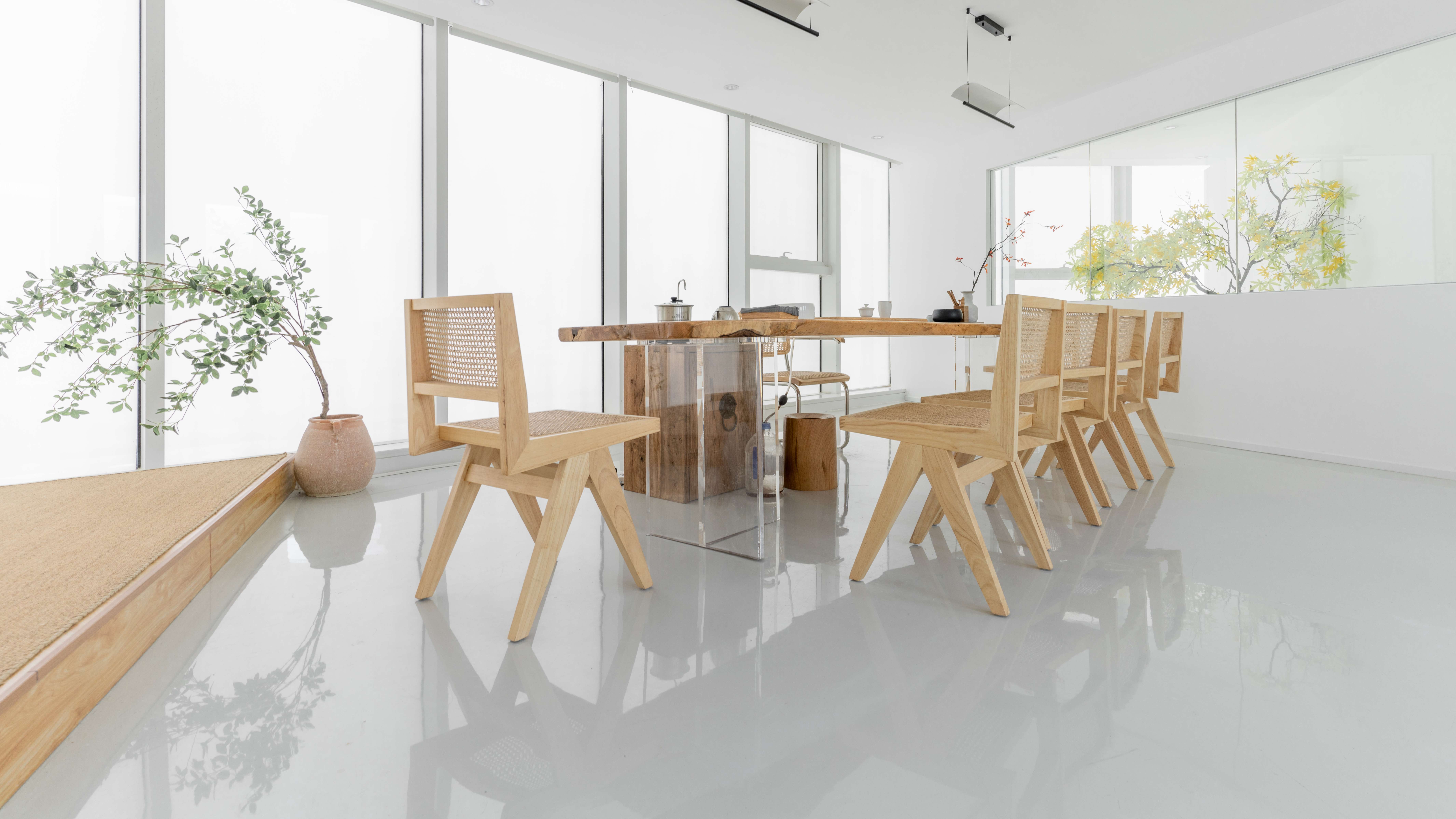
Faced with the shiny dilemma of polished concrete floors vs epoxy, you’ll need the details of cost, aesthetics, and durability to weigh and measure the winner.
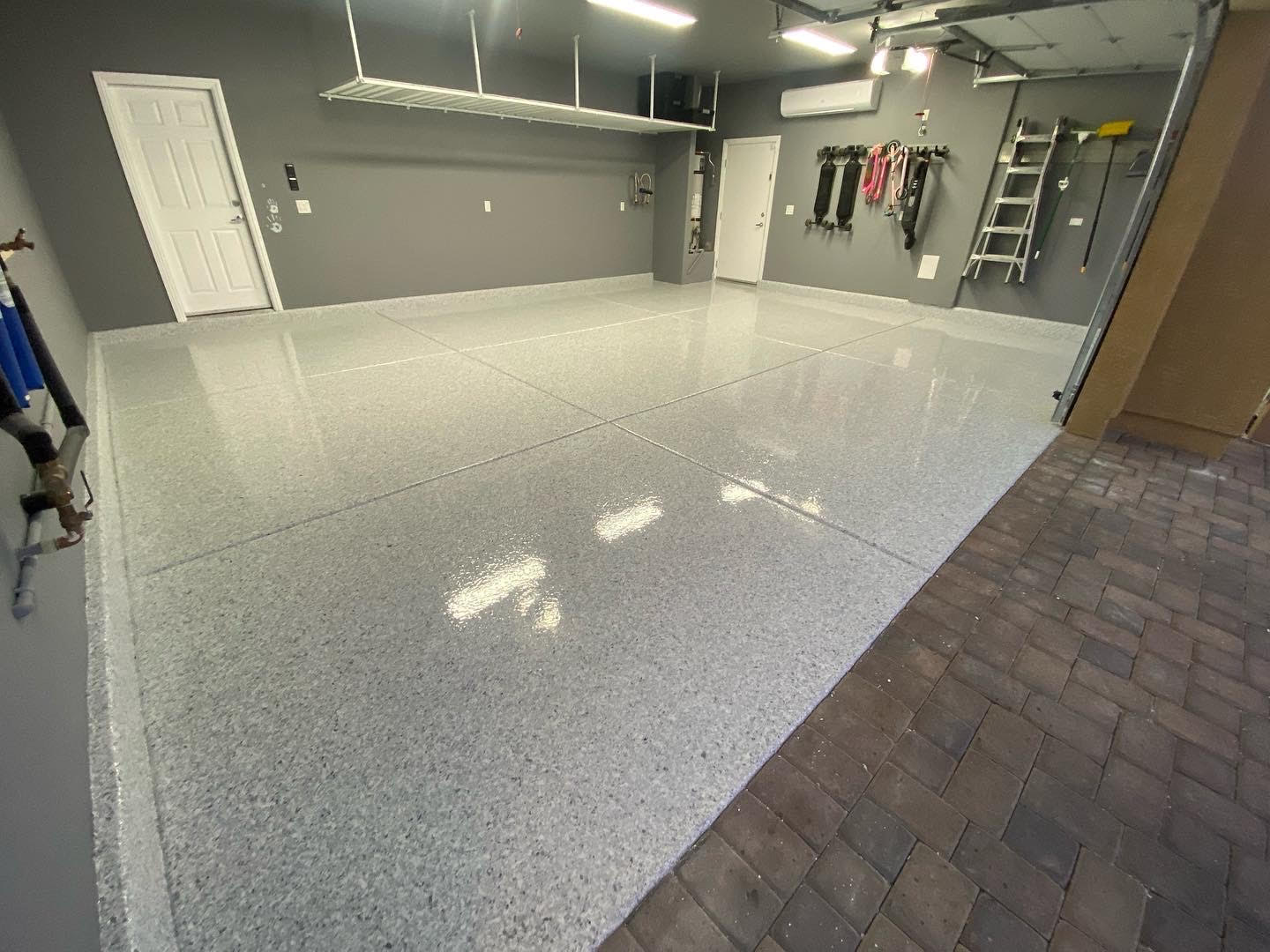
Epoxy flooring adds shine and durability to your basement, studio, or garage floor. Check out these epoxy flooring ideas to create the room of your dreams.