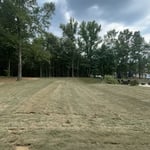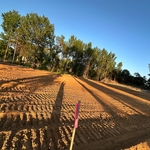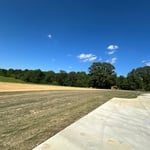







Top-rated excavation pros.

Get matched with top excavation pros in Lynchburg, MS

Enter your zip and get matched with up to 5 pros

Need a pro for your excavation project in Lynchburg, MS?

Select your specific project to find the pro for you.

TRUSTED BY LYNCHBURG, MS HOMEOWNERS

  • Average homeowner rating star icon5
    Average homeowner rating
  • Verified reviews icon15
    Verified excavation services reviews

Find Excavation pros in Lynchburg

MNA Construction
5.0(
1
)
Excavation - Major Grading or ReslopingLandscape - Minor Grading or Resloping

Serving Lynchburg, MS and surrounding areas

Approved

In business since 2022

Free estimates

Credit card accepted

Locally owned and operated, we provide unmatched customer service. Our services include building site clearing, brush and tree clearing. We take pride in our professionalism and cleanliness on our job sites. Call us today for your free estimate! We look forward to doing business with you!

Response time3 hrs
Recommended by100%of homeowners
Roberts Paving & Construction, LLP
1.0(
1
)
Excavation - Major Grading or Resloping

Serving Lynchburg, MS and surrounding areas

Approved

In business since 1965

Free estimates

Credit card accepted

We invite you to experience a tradition of customer satisfaction that will exceed your greatest expectations. Our professionalism and quality workmanship will accurately reflect your taste and lifestyle. From conception to completion, we work with you until the job is done. We are ethical, honest, and easy to communicate with. \n\nCall us today you'll be pleased you did. Thank you

...
Showing 1-10 of 85
Excavating questions, answered by experts

Most professional excavation teams will charge between $8 and $15 per cubic yard. Calculate the cost by finding the volume of your pool—width x length x depth—and dividing it by 27. Then, multiply the price by the cubic yards from your equation. Budget for complications like a rocky lawn, hard-to-access pool area, or high local labor prices.

There are many ways to cut through roots when digging, especially if your trencher doesn’t seem to be removing the roots. First, use a shovel to expose the roots. Then, use gardening shears to clear out smaller roots or a reciprocating saw to remove larger plant roots. If you plan on keeping the plant, avoid cutting any roots over 2 inches thick.

Water lines are buried at various depths, depending on the type of line. For example, most sprinkler lines are buried between four and 12 inches underground. On the other hand, water mains usually sit between one and 3 feet below ground. However, they can go even deeper in cold climates to prevent freezing.

In the United States, a depth of 36 inches (three feet) for underground water lines is the accepted industry standard. This depth varies from location to location based on local conditions. In areas with colder winters, they may be buried deeper to prevent frozen well water pipes : This is usually at least six inches below the frost level. The International Plumbing Code calls for a minimum of 12 inches below grade.

There is no standard depth for burying a septic tank; they are typically buried anywhere from 4 inches to 4 feet underground. The final depth depends on several factors, including the depth of your main sewer line, the height of the bedrock, soil type, local regulations, and the property's landscape. If you plan to grow grass or plants over the tank, a depth of at least 4 to 6 inches is recommended. Deeper tanks can be more difficult to locate, but a septic professional can help find it for you.

The Lynchburg, MS homeowners’ guide to excavation services

From average costs to expert advice, get all the answers you need to get your job done.