




Top-rated excavation pros.

Get matched with top excavation pros in Hernando, MS

Enter your zip and get matched with up to 5 pros

Need a pro for your excavation project in Hernando, MS?

Select your specific project to find the pro for you.

TRUSTED BY HERNANDO, MS HOMEOWNERS

  • Average homeowner rating star icon4.8
    Average homeowner rating
  • Verified reviews icon45
    Verified excavation services reviews

Find Excavation pros in Hernando

MNA Construction
5.0(
1
)
Excavation - Major Grading or ReslopingLandscape - Minor Grading or Resloping

Serving Hernando, MS and surrounding areas

Approved

In business since 2022

Free estimates

Credit card accepted

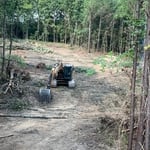
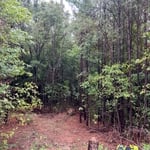
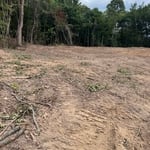
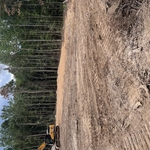
Locally owned and operated, we provide unmatched customer service. Our services include building site clearing, brush and tree clearing. We take pride in our professionalism and cleanliness on our job sites. Call us today for your free estimate! We look forward to doing business with you!

Response time3 hrs
Recommended by100%of homeowners
Roberts Paving & Construction, LLP
1.0(
1
)
Excavation - Major Grading or Resloping

Serving Hernando, MS and surrounding areas

Approved

In business since 1965

Free estimates

Credit card accepted

We invite you to experience a tradition of customer satisfaction that will exceed your greatest expectations. Our professionalism and quality workmanship will accurately reflect your taste and lifestyle. From conception to completion, we work with you until the job is done. We are ethical, honest, and easy to communicate with. \n\nCall us today you'll be pleased you did. Thank you

...
Showing 1-10 of 94
Excavating questions, answered by experts

Sewer lines can be buried anywhere from 18 inches to 8 feet deep, with a common average depth between 18 and 30 inches. The exact depth depends on local factors like climate and soil type. In colder regions, pipes must be buried deeper (below the frost line) to prevent freezing, sometimes as deep as 8 feet. The digging depth can also impact the cost of sewer line replacement. To find the specific depth for your property, you can check the building plans for your system, which should be on file with your city or local sanitation department since permits are required for installation.

Hard soil could be a sign of overly dry dirt, either from poor drainage or drought. It's important to test the nutrient levels, density, and drainage capacity of your soil to see if it's absorbing water properly. Begin by adding a light layer of water and observing how long the soil retains moisture. If you experience a good deal of runoff, you may need to aerate your lawn, apply a wetting agent, or hire a professional for a closer look.

A walk-behind trencher can cut through roots as long as they’re not too thick, making a project much easier than digging with a shovel and other hand tools. Assess your terrain and the number of trees in the surrounding area to determine if a walk-behind trencher will ease the job. Digging a trench by hand is much more time-consuming and labor-intensive. 

The easier way to find buried sprinkler lines is to use the plan from the professionals who installed the system. If you don’t have professional plans, listen for running water on your lawn when you turn on the system. You may also spot wet areas, giving you an idea of where the heads are. Once you find the sprinkler heads, you’ll likely be able to connect the dots between them, revealing the system below.

Skunk digging looks like a series of small, cone-shaped holes on a lawn or around the perimeter of a home, porch, deck, or shed. The holes that skunks dig when searching for grubs tend to be no more than four inches in diameter and may be up to four inches deep.

The Hernando, MS homeowners’ guide to excavation services

From average costs to expert advice, get all the answers you need to get your job done.