
R&R Dirtworks
Building Site - Preparation and ClearingBuilding Site - Preparation and Clearing - For BusinessExcavation - Major Grading or Resloping+2 more
Serving Parkin, AR and surrounding areas

*The Angi rating for Excavation companies in Parkin, AR is a rating based on verified reviews from our community of homeowners who have used these pros to meet their Excavation needs.
*The HomeAdvisor rating for Excavation companies in Parkin, AR is a rating based on verified reviews from our community of homeowners who have used these pros to meet their Excavation needs.
Last update on September 21, 2026
Serving Parkin, AR and surrounding areas
Free estimates
Emergency services offered
"Very well . The crew was fast, competent and polite."

+8
Serving Parkin, AR and surrounding areas
In business since 2010
Free estimates
Credit card accepted
"They are very good in working the soil above a septic field with a very good feel for what is happening to the soil, that is whether to stop or continue working. They do a good job in clearing according to what the owner wants and needs/ They are friendly and work responsiblely."
Serving Parkin, AR and surrounding areas
In business since 2003
Free estimates
Offers commercial services
"This was the most unbelievable positive experience we have ever had in a construction project."
Serving Parkin, AR and surrounding areas
In business since 2006
Emergency services offered
Warranties offered
World Wide Improvements is a full service handyman , heating air conditioning and home repair company who has been proudly serving Memphis and the surrounding area for close to 10 years- please call us today for a free estimate on your heating and air condition service. We also offer service plans and preventive maintenance.
Serving Parkin, AR and surrounding areas
Serving Parkin, AR and surrounding areas
In business since 2024
Free estimates
Topside Land Management LLC is committed to excellence in every aspect of our business. We uphold a standard of integrity bound by fairness, honesty, and personal responsibility. Our distinction is the quality of service we bring to our customers. Accurate knowledge of our trade combined with ability is what makes us true professionals. Above all, we are watchful of our customers interests and make their concerns the basis of our business. \n \n
Serving Parkin, AR and surrounding areas
In business since 2018
Free estimates
Offers commercial services
Merrimack Construction Company proudly serves it's customers with pride, integrity and attention to the details that matter most to you. This is one of the many things that sets us apart from the rest. We are locally owned and operated. Give us a call today!
Serving Parkin, AR and surrounding areas
Free estimates
We take great pride in our experience, expertise, quality, and customer service that we provide to meet the consumers needs. It is our mission to provide excellent workmanship and complete customer satisfaction from start to completion of a project. In order to understand the needs and expectations of our customers, we take great care to work and communicate with every customer in a professional manner. Our reputation is based on service, safety, and quality, regardless of how large or small the job. \n
From average costs to expert advice, get all the answers you need to get your job done.

Preparing for a big excavation project in your yard? Find out excavator rental prices by type, project size, and more to budget for your project.

Excavation costs $1,500 to $6,300 for most residential projects—but it depends on factors like the size of the area. This guide will help you plan a budget.

You can't have an in-ground pool without digging into the ground. How much does pool excavation cost, and can you take it on yourself? Our guide explains.
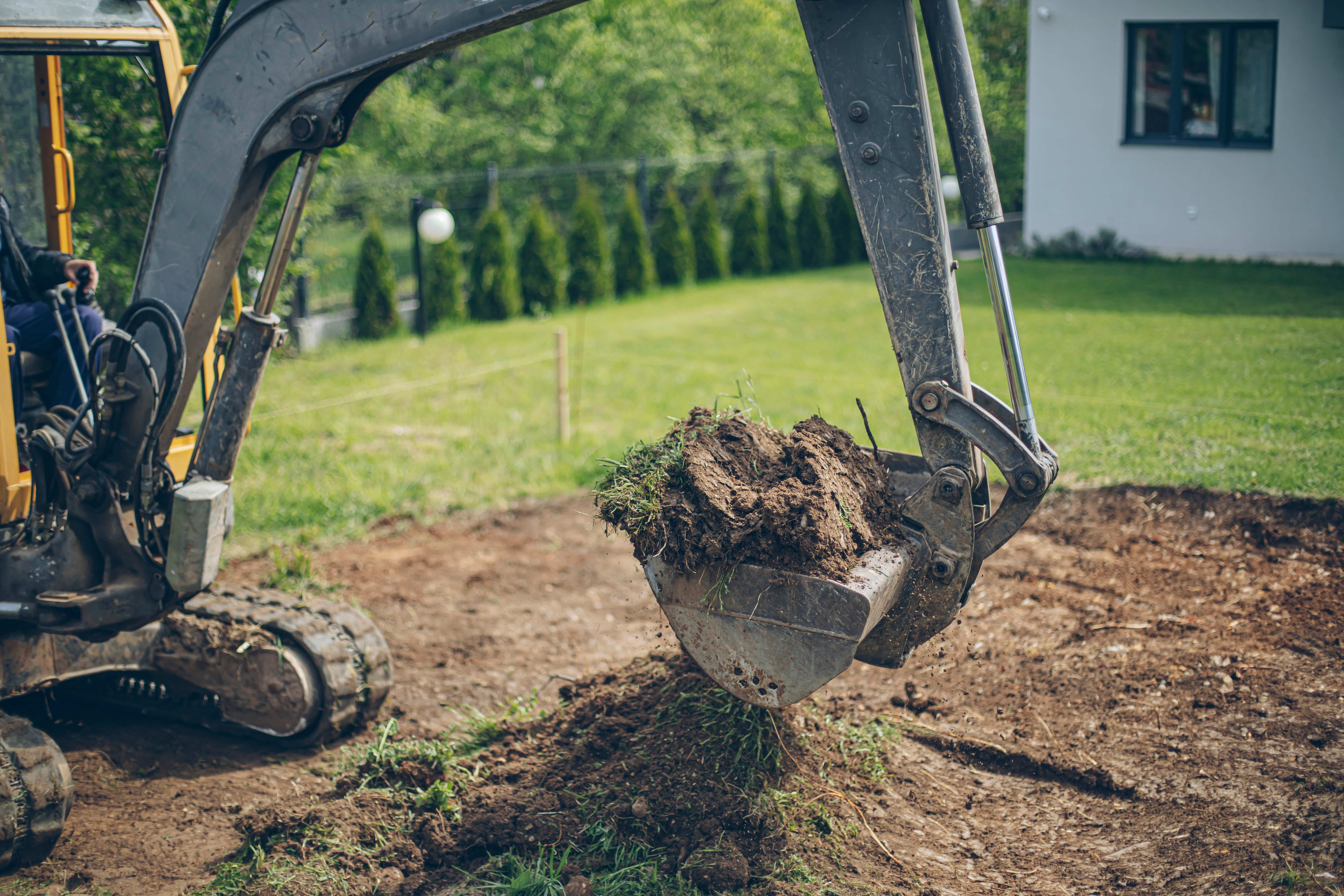
Picking the right pro can make or break your project. Learn how to hire an excavation pro with the qualifications and skillset to do the job efficiently.
Planning a backyard overhaul? Learn about grading and excavation costs, site preparation steps, and how to hire the right local pro for your project.

Discover what excavation is, the different types, and when it's needed in construction. Learn key insights for your next big home project.