





Top-rated energy efficiency auditors.

Best energy efficiency auditors near Long Beach, MS

Enter your zip and get matched with up to 5 pros

Need a pro for your energy efficiency auditing project in Long Beach, MS?

Select your specific project to find the pro for you.

Top-Rated Energy efficiency auditors in Long Beach - Updated Nov 2026

Avatar for ADT Solar
ADT Solar
4.4(
111
)
Energy Audit - For BusinessHome Energy Audit

Serving Long Beach, MS and surrounding areas

In business since 2008

Free estimates

Warranties offered

"Rep. checked entire system. He found several wires not connected properly and fixed this. He also made recommendations regarding the attachment of the panels to the rood that would provide more stability and leakproofing. The representative appeared to know what he was doing - much better than others, including the representative who was engaged by the roofer (who replaced our rood due to hail damage) to disconnect/connect the panels."
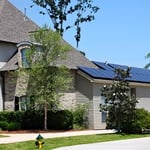
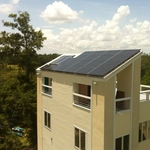
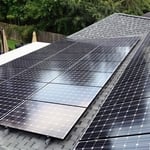
11 kW PV Installation
5 kW PV Installation
9.5 kW PV Installation
Recommended by89%of homeowners

Great South Home Inspection Services
New to Angi
Home Energy Audit

Serving Long Beach, MS and surrounding areas

In business since 2009

Credit card accepted

Great South Home Inspection Services is a locally owned and operated company that values honesty and integrity in all aspects of our business. Our dedicated team of professionals have several years of hands-on experience to provide innovative ideas and suggestions tailored to your projects. Our services are customized to your individual needs, paying close attention to the details of each project that we are involved with. Please feel free to contact us today!

Energy Efficiency Auditing FAQs, answered by experts

Home power is measured in kilowatt-hours, commonly expressed as kWh. The average home uses between 800 and 1,000 kWh per month. Peak usage (and highest bills) occurs in the middle of summer and the depths of winter. Keeping on top of your usage during these crucial months will lower your annual average usage considerably. 

There is no blanket figure for a residential home’s electrical load, since load varies by the size of the home, how many appliances are used, and the efficiency of their electrical systems. Typically, however, it’s safe to assume 40 to 60 amps is the average electrical load of a residential home. 

Solar water heating systems are not one-size-fits-all. You'll likely work with a team of experts to get the job done—including solar panel installers, plumbers, and water heater installers. A specialist will help you decide if a passive or active system is best for your local weather, home layout, roof stability, and your budget.

When installing a new furnace, it's a good time to consider other projects that can enhance your home's energy efficiency. A great first step is to get a home energy audit, which will identify areas for improvement. Common recommendations include sealing or replacing windows and adding insulation to the attic. These upgrades can help you save money on monthly utility costs. You might also consider installing a smart thermostat to make heating your home more convenient and efficient.

You can increase your home’s load factor by replacing fuse boxes with a circuit breaker, hiring a licensed electrician to upgrade your electrical panel, upgrading wiring, or installing subpanels. An electrical inspection by an expert can help determine the state of your current electrical systems and how they can be improved.

The Long Beach, MS homeowners’ guide to energy efficiency auditing services

From average costs to expert advice, get all the answers you need to get your job done.