




Top-rated energy efficiency auditors.

Get matched with top energy efficiency auditors in Big Point, MS

Enter your zip and get matched with up to 5 pros

Need a pro for your energy efficiency auditing project in Big Point, MS?

Select your specific project to find the pro for you.

Find Energy efficiency auditors in Big Point

Avatar for ADT Solar
ADT Solar
4.4(
111
)
Energy Audit - For BusinessHome Energy Audit

Serving Big Point, MS and surrounding areas

In business since 2008

Free estimates

Warranties offered

"Rep. checked entire system. He found several wires not connected properly and fixed this. He also made recommendations regarding the attachment of the panels to the rood that would provide more stability and leakproofing. The representative appeared to know what he was doing - much better than others, including the representative who was engaged by the roofer (who replaced our rood due to hail damage) to disconnect/connect the panels."
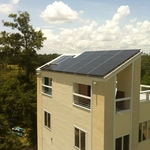
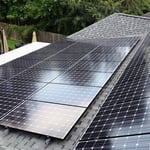
11 kW PV Installation
5 kW PV Installation
9.5 kW PV Installation
Recommended by89%of homeowners
Great South Home Inspection Services
New to Angi
Home Energy Audit

Serving Big Point, MS and surrounding areas

In business since 2009

Credit card accepted

Great South Home Inspection Services is a locally owned and operated company that values honesty and integrity in all aspects of our business. Our dedicated team of professionals have several years of hands-on experience to provide innovative ideas and suggestions tailored to your projects. Our services are customized to your individual needs, paying close attention to the details of each project that we are involved with. Please feel free to contact us today!

Energy Efficiency Auditing questions, answered by experts

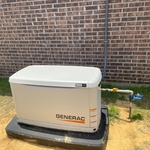
To determine the right size generator for your house, you should calculate the total wattage of the appliances and devices you want to power during an outage. List all essential items, note their start-up wattages, and add them together.

Here are some typical wattage requirements for common appliances:

  • Refrigerator: 600 watts

  • Large dehumidifier: 700 watts

  • Large window air conditioner: 1,400 watts

  • Water heater: 3,000 to 4,500 watts

  • Electric furnace: 5,000 to 25,000 watts

A 7,500-watt generator might be sufficient for essentials like a refrigerator, freezer, well pump, and lighting circuits. However, for high-demand items like a water heater or furnace, a whole-home generator is a better choice. A portable generator may be enough if you only need to power a few critical items.

While home square footage can offer a rough estimate, it is not always a reliable indicator. For reference, here are some typical generator sizes based on square footage:

  • 1,000 sq ft: 6–9 kW

  • 1,500 sq ft: 7–10 kW

  • 2,000 sq ft: 10–14 kW

  • 2,500 sq ft: 12–16 kW

  • 3,000 sq ft: 16–20 kW+

For the most accurate sizing, consult a professional who can calculate your home's peak and average power consumption and recommend the optimal generator.

While you can perform many routine home maintenance jobs yourself, it’s often a good idea to bring pros in for certain tasks. HVAC maintenance, fireplace and chimney inspections, foundation repairs, and roof inspections and repairs should be handled by professionals who know what to look for and can safely perform repairs. You may also find it helpful to hire a local house cleaning service to help with deep cleaning.

Homeowners may qualify for an HVAC tax credit if they install an ENERGY STAR®-certified HVAC system that exceeds the energy efficiency minimum standards:

  • Split-System AC: 16 SEER2

  • Packaged AC: 15.2 SEER2 and 11.5 EER2

  • Ducted Split Heat Pump: 15.2 SEER2, 7.8 HSPF2, and 11.7 EER2 

  • Packaged Heat Pump: 15.2 SEER2, 7.2 HSPF2, and 10.6 EER2

  • Mini-Split System: 16 SEER2, 9 HSPF2, and 12 EER2

You can claim up to 30% of the cost of the job, subject to maximums.

A good SEER rating for an HVAC system is typically between 15 and 20. However, minimum requirements vary by location; HVAC systems in northern states must have at least a 14 SEER rating, while those in southern states need a minimum of 15. For the highest possible efficiency, look for units with a SEER rating of 21 or higher. It's important to remember that a SEER rating represents the maximum efficiency a unit can achieve, not the level at which it will operate at all times.

Yes, Tesla Powerwalls are worth the upfront costs, as you can recoup your investment within six to eight years. Plus, they provide peace of mind that you'll have power during a power outage, and, depending on the system you install, you can become energy-independent. While they may be more expensive than other solar power systems, they offer higher battery capacity and lifespan.

The Big Point, MS homeowners’ guide to energy efficiency auditing services

From average costs to expert advice, get all the answers you need to get your job done.