


Top-rated drywall insulation pros.

Get matched with top drywall insulation pros in Long Beach, MS

Enter your zip and get matched with up to 5 pros

Need a pro for your drywall insulation project in Long Beach, MS?

Select your specific project to find the pro for you.

TRUSTED BY LONG BEACH, MS HOMEOWNERS

  • Average homeowner rating star icon4.4
    Average homeowner rating
  • Verified reviews icon98
    Verified drywall insulation services reviews

Find Drywall insulation pros in Long Beach

APS Insulation
4.7(
45
)

Serving Long Beach, MS and surrounding areas

Approved

In business since 1991

Free estimates

Customers say: Quick response

"I could not be more pleased with the Blown in Insulation provided by APS Michael Ubanks crew. They arrived on time and walked me through the process. They blew insulation throughout my attic and insulated my pull-down stairs. They completed the installation, cleaned up the area and made sure I was fully satisfied before they left. The guys were courteous and polite. Mr. Ubanks followed up with me after the installation to ensure I was completely satisfied with the workmanship. I have noticed an immediate change in the ability to maintain temperature in my home. While the outside temperature over the past 2 days has ranged from 78 degs to 50 degs, the interior of my home has only varied between 68-70 degs without my heat or air operating during those 2 days. I am amazed with the difference the insulation has made in maintaining my home temperature. Thank you, APS Insulation Service"
Response time11 hrs
19 neighbors recently requested a quote
Recommended by93%of homeowners

Avatar for Air Duct Cleaning Services
Air Duct Cleaning Services
5.0(
21
)

Serving Long Beach, MS and surrounding areas

Approved

In business since 2019

Free estimates

Emergency services offered

"The men were on time, knew what was needed and cleaned up after. They were a great team. I spoke with the manager who helped me decide what would be best for my situation. I recommend them to everyone for insulation of their attics. Thank you Mr. Brock. It was a pleasure."
Additional Photos
Additional Photos
Additional Photos
Additional Photos
Additional Photos

+13

8 neighbors recently requested a quote
Recommended by90%of homeowners

Avatar for Clean Air Crew
Clean Air Crew
4.8(
32
)

Serving Long Beach, MS and surrounding areas

Approved

In business since 2018

Free estimates

Emergency services offered

"Not only would I recommend him, but I give him five stars. This company is honest and goes beyond to solve your problem. Very friendly hard working and a company you can trust. Exceptional service and price is friendly."
Trunk line before and after
Dirty Flex Duct
Moldy Vent Cover
Dirty Plenum
Response time5 hrs
8 neighbors recently requested a quote
Recommended by90%of homeowners
Showing 1-10 of 27
Drywall Insulation questions, answered by experts

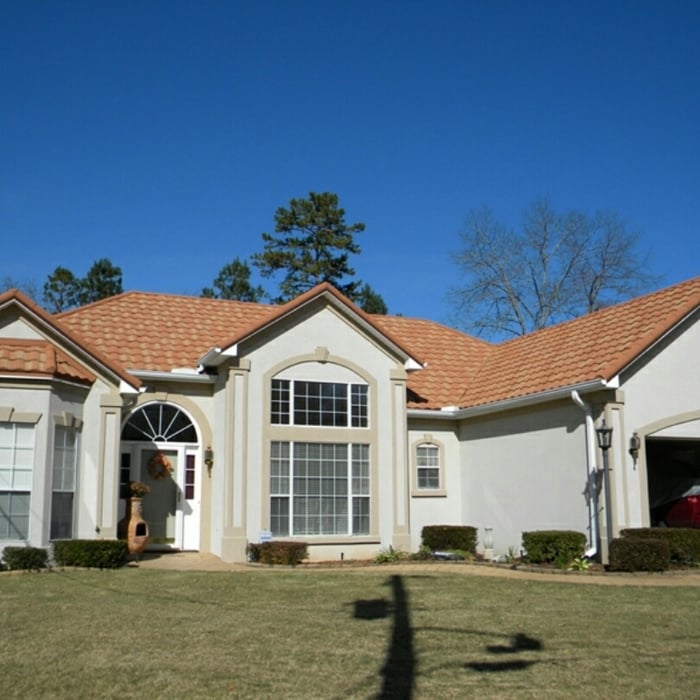
Brick and stucco are a lot more different. You must use picture hanging clips designed for brick walls, or use a plaster rail system with adjustable hooks. Any other type of hanging hardware will cause damage to the bricks behind. You won’t be able to really use nails, either, because they’re not strong enough to go into the bricks.

There are six levels of drywall finish, from 0 to 5, that refer to the amount of work performed during the finishing process.

Level 0: Drywall is hung with no finishing work.

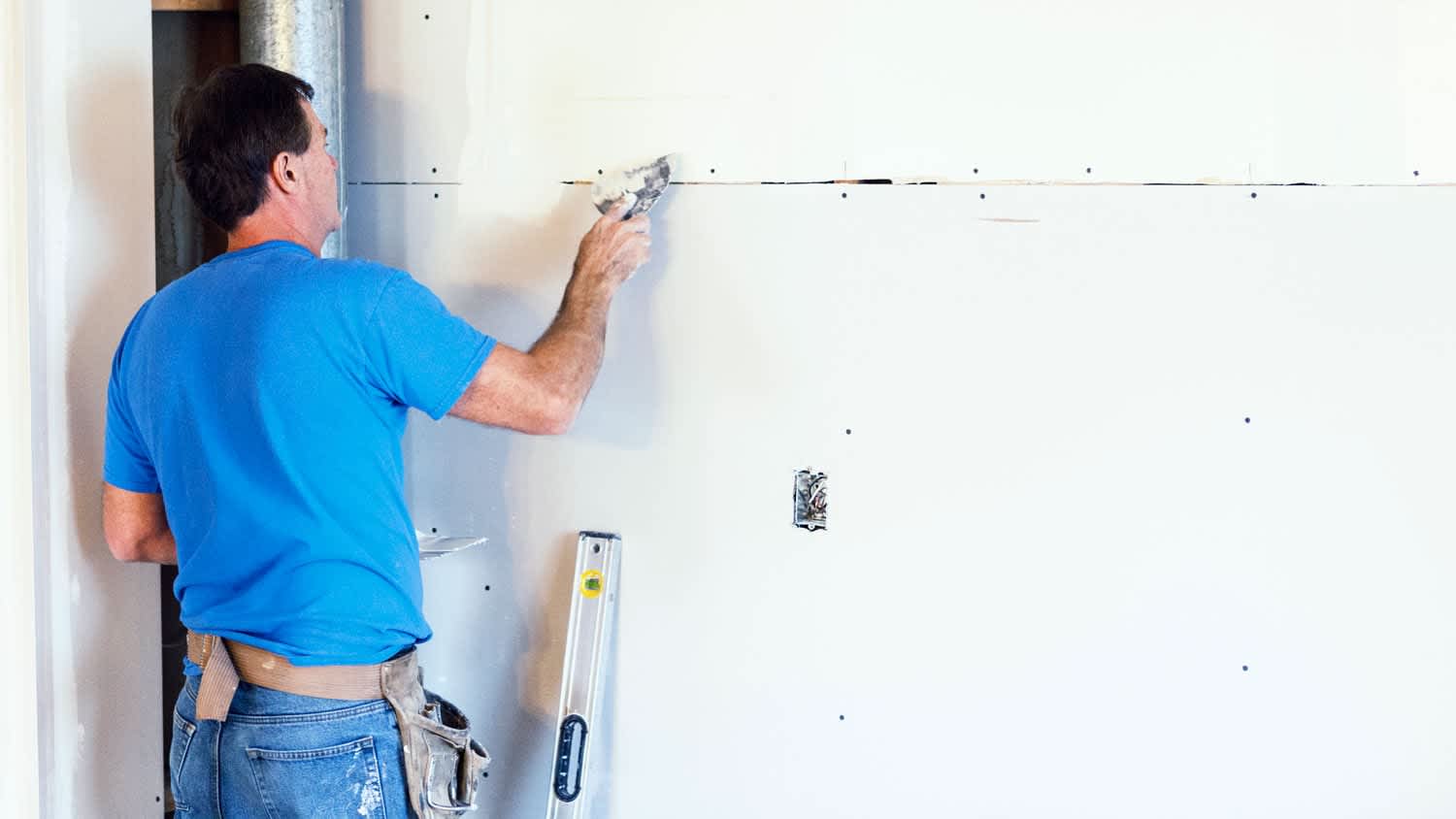
Level 1: Tape is placed over the seams between drywall sheets.

Level 2: A thin layer of mud is applied over the tape and screw holes. This level is common for utility rooms or walls that will be covered.

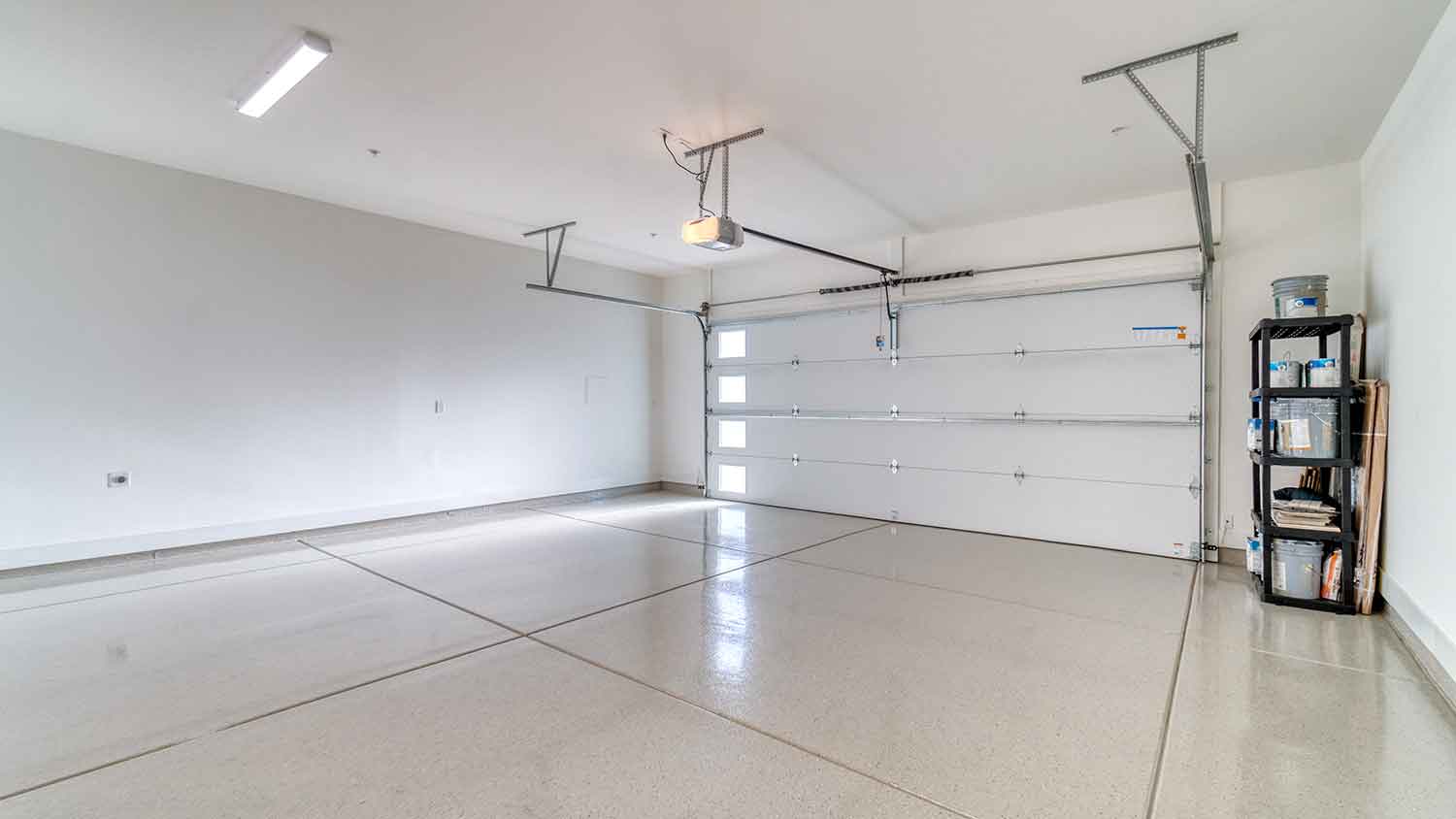
Level 3: A full coat of mud covers the screw holes and tape, but the surface is not sanded. This is often used in garages.

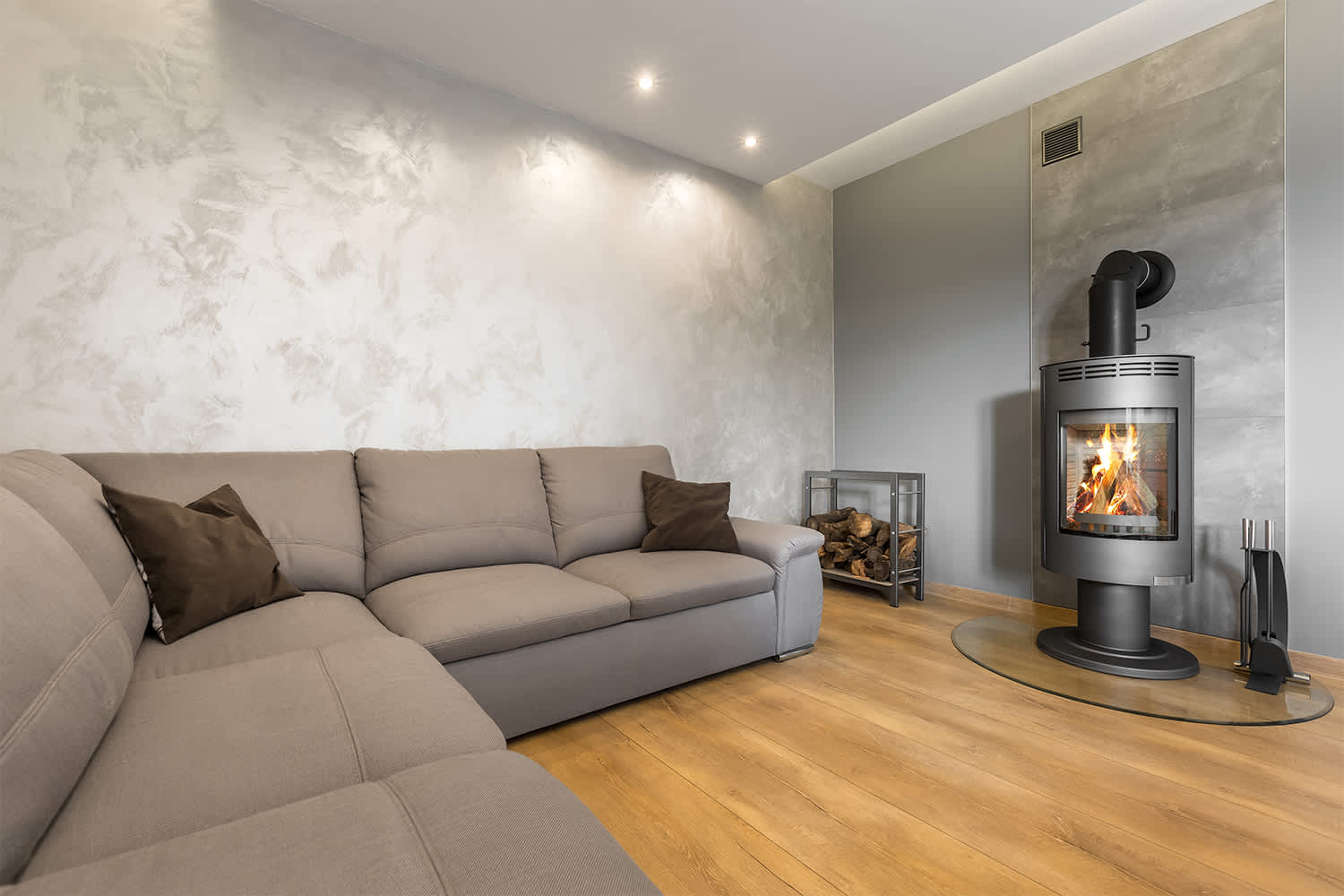
Level 4: This is the most common finish for visible interior walls. It involves applying two coats of mud over seams and screw holes, with sanding between each coat, creating a smooth surface ready for flat paint.

Level 5: This is a high-end finish for luxury homes. It includes full taping, mudding, and sanding, plus a final skim coat over the entire surface before painting.

You should stagger drywall sheets to help prevent cracking. The joints between drywall sheets are the weak spots, so if you install drywall with seams aligned, you’ll create weak lines that run across the length of the wall and extend from floor to ceiling. But when you stagger drywall, the solid sections of panels will support the joints. This can prevent seams from cracking or separating due to fluctuating temperature and humidity, vibrations from movement inside the home, and gravity.

While every home has its own unique needs, ceiling drywall installation typically follows a staggered or stepped pattern to enhance structural integrity and reduce the visibility of seams. Starting from one corner, sheets are placed perpendicular to the ceiling joists, with the ends of adjacent sheets meeting along the center of the joist. The next row begins with a half sheet, ensuring joints don't align vertically. This alternating pattern, combined with proper taping and mudding, creates a seamless appearance and strengthens the ceiling structure, minimizing the risk of cracks over time.

The age of your home can clue you in to whether you have plaster or drywall ceilings. Homes built after the ‘70s are more likely to have drywall ceilings and walls, while older homes have plaster. You can also do the pushpin test: A pushpin will go into drywall, whereas it’s much harder to push one into a plaster wall. If you’re still unsure, ask a drywall professional to let you know which type of ceilings and walls you have.

The Long Beach, MS homeowners’ guide to drywall insulation services

From average costs to expert advice, get all the answers you need to get your job done.