

Top-rated drywall pros.

Get matched with top drywall pros in Indianola, MS

Enter your zip and get matched with up to 5 pros

Need a pro for your drywall service project in Indianola, MS?

Select your specific project to find the pro for you.

Find Drywall pros in Indianola

Avatar for All N One Home Services
All N One Home Services
4.7(
7
)
Drywall - InstallDrywall - Repair

Serving Indianola, MS and surrounding areas

In business since 2024

Emergency services offered

Warranties offered

"Had a great experience with these guys! Added board and batten to the walls and picture frames molding to the dining room. They were very detailed and made sure we were on the same page the entire project. I kept adding different projects like light fixtures, patching holes on dry wall and much more. I’ll definitely be using them again, as they can do it all!"
Response time8 hrs
Response rate100%
Avatar for B&BpaintingLLC
B&BpaintingLLC
5.0(
3
)
Drywall - InstallDrywall - Install - For BusinessDrywall - Repair+1 more

Serving Indianola, MS and surrounding areas

In business since 2005

Free estimates

Credit card accepted

With over 20 years experience in the painting industry, B & B Painting Interior and Exterior Commercial is your industry expert in Leflore County. We pride ourselves on our extreme professionalism and attention to detail. Our customer satisfaction guarantee will assure you we will not leave your property until you are completely satisfied with our work. As a family owned and operated business you can trust that we will treat your home as we would treat our own. Give us a call today we look forward to working with you!

Response time5 hrs
Response rate100%
Recommended by100%of homeowners
...
Showing 1-10 of 54
Drywall questions, answered by experts

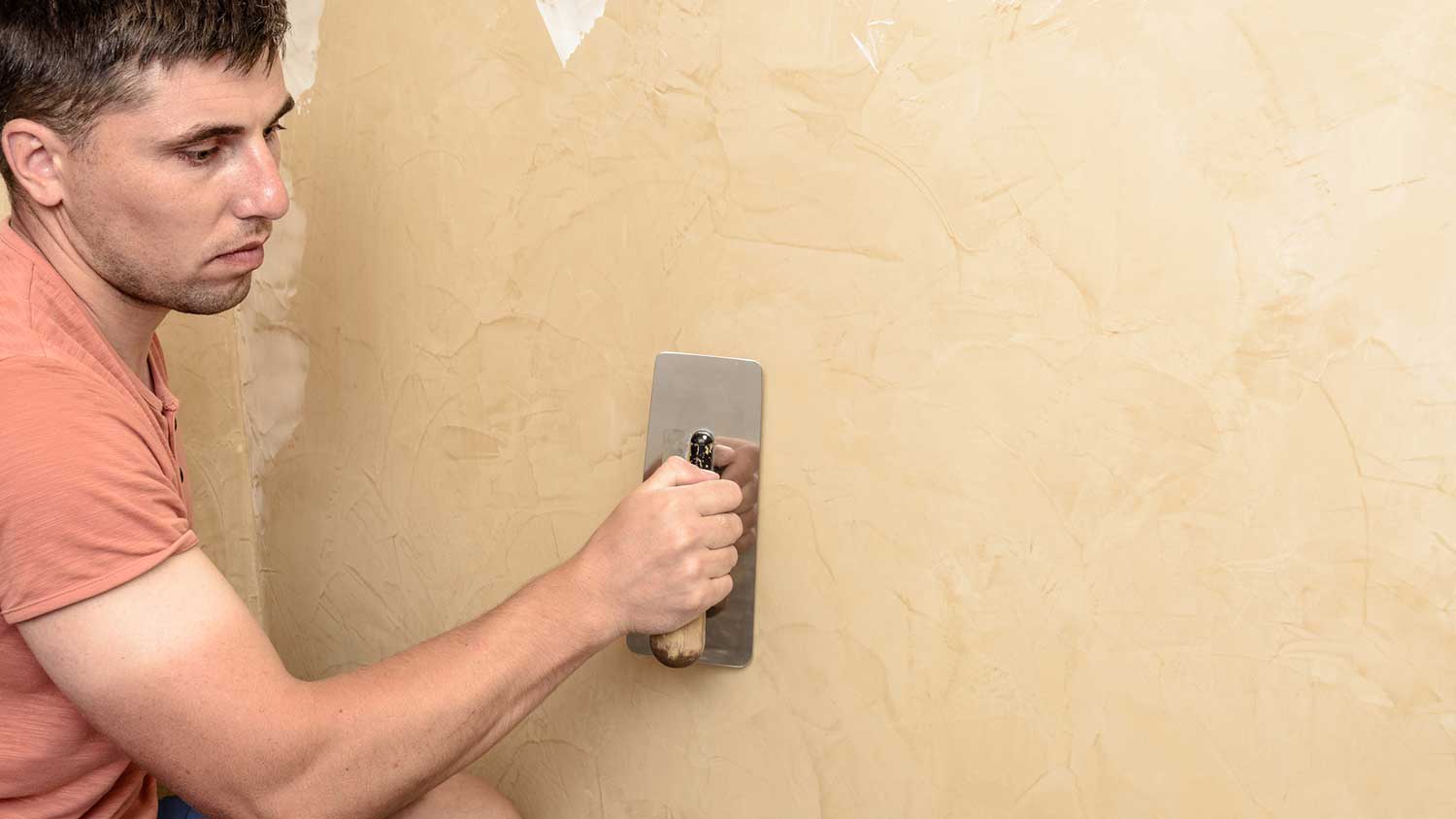
The average cost to apply a skip-trowel drywall texture to walls is $1.25 to $2.00 per square foot. Ceilings cost slightly more because of the increased difficulty of working overhead. Additional cost factors include any drywall repairs and removal of existing textures or wallpaper.

A utility knife is sharp enough to score the drywall and it may work in a pinch for outlet box holes. However, one of the best tools for drywall when you need to make exact cuts for an outlet box quickly is a drywall saw. This handheld tool has a longer blade than a utility knife, so it penetrates the thickness of the drywall easily. The design of its handle and the teeth in its blade make it easier to control while cutting quicker than you can with a utility knife.

You can plaster over regular drywall, but it's essential to prepare the surface properly. Before plastering, the drywall should be clean, free of dust, and any loose or peeling paint should be removed. Applying a primer specifically designed for plastering can improve adhesion. Some professionals recommend applying a base coat of plaster or joint compound to create a better surface for the plaster to adhere to. Proper preparation ensures a smooth and durable plaster finish over regular drywall.

A common cause of separation between a wall and the ceiling is truss lift—this can happen to the ceiling of rooms directly under the attic when the seasons change and wood building materials dry out, shrink, and shift. Roof trusses often dry out at different speeds, and if the bottom pieces dry out faster than the top pieces, they can shrink and pull the attached drywall away from ceilings and walls, causing cracks. Fortunately, truss lift is only a cosmetic problem, not a structural problem, and you can fix it by separating the ceiling drywall from the roof trusses, and patching the cracks.

There are six levels of drywall finish, from 0 to 5, that refer to the amount of work performed during the finishing process.

Level 0: Drywall is hung with no finishing work.

Level 1: Tape is placed over the seams between drywall sheets.

Level 2: A thin layer of mud is applied over the tape and screw holes. This level is common for utility rooms or walls that will be covered.

Level 3: A full coat of mud covers the screw holes and tape, but the surface is not sanded. This is often used in garages.

Level 4: This is the most common finish for visible interior walls. It involves applying two coats of mud over seams and screw holes, with sanding between each coat, creating a smooth surface ready for flat paint.

Level 5: This is a high-end finish for luxury homes. It includes full taping, mudding, and sanding, plus a final skim coat over the entire surface before painting.

The Indianola, MS homeowners’ guide to drywall services

From average costs to expert advice, get all the answers you need to get your job done.