





Top-rated electricians.

Get matched with top electricians in Indianola, MS

Enter your zip and get matched with up to 5 pros

Need a pro for your electrical service project in Indianola, MS?

Select your specific project to find the pro for you.

Find Electricians in Indianola

Avatar for Donohue's Lightning Rods
Donohue's Lightning Rods
4.3(
70
)

Serving Indianola, MS and surrounding areas

Approved

In business since 1971

Free estimates

Emergency services offered

"Sent engineering drawings for review prior to starting work worked over the weekend to beat the insulation schedule on a new build."
Jobs from the last 3 year
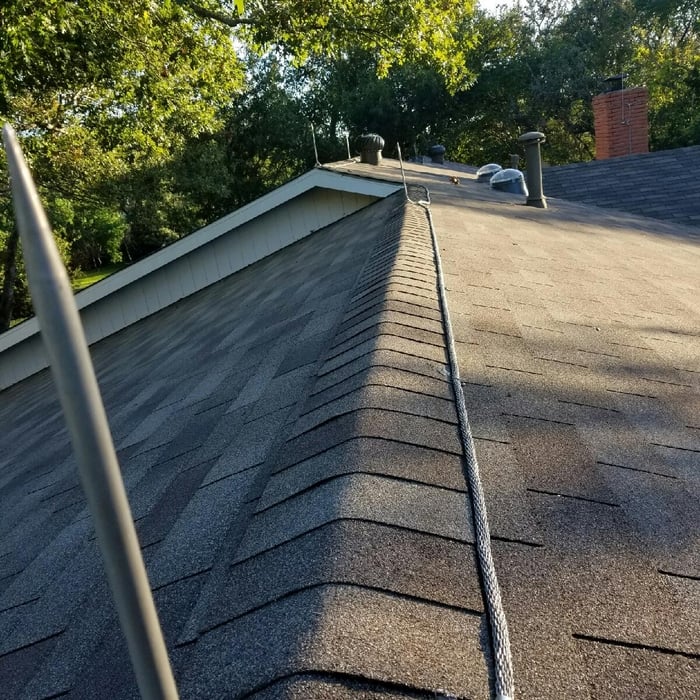
Lightning protection

+10

Response time1 day
75 neighbors recently requested a quote
Recommended by96%of homeowners
RDB Electric
New to Angi

Serving Indianola, MS and surrounding areas

Approved

In business since 2023

Free estimates

Credit card accepted

We take great pride in our experience, expertise, quality, and customer service that we provide to meet the consumer's needs. It is our mission to provide excellent workmanship and complete customer satisfaction from start to completion of a project. In order to understand the needs and expectations of our customers, we take great care to work and communicate with every customer in a professional manner. Our reputation is based on service, safety, and quality, regardless of how large or small the job.

Response time1 day
12 neighbors recently requested a quote
Nail Electric
New to Angi

Serving Indianola, MS and surrounding areas

Approved

Hey everyone my names Parker Nail. I’m excited to launch my LLC. I’ve been doing Electrical work for 4 years now. I’m always looking for side work and would be happy to handle any type of electrical service needed. My goal is to provide quality and safe work that you can rely on. I’m available after I get off work during the week and on weekends.

...
Showing 1-10 of 67
Electrical questions, answered by experts

Black is the standard color for hot wires, which transfer electricity to your outlets and switches. Red wires are also hot wires. White (and sometimes gray) wires are considered neutral, delivering power back to the panel. Finally, green wires, which are sometimes bare copper, are ground wires, used to ground an electrical circuit and prevent electrocution.

They can vary—a lot. For example, while the EU continues to move toward broader standardization, many different types of outlets still exist from country to country. Some local standards cared about polarization, and some didn’t. It’s similar to other countries around the world.

Generally, you’re less likely to find polarized outlets outside North America. However, alternative plugs and outlets often incorporate precautions so that accidentally touching live prongs on a plug is hard or impossible. You may also find interesting regulations overseas that limit the use of outlets in bathrooms or near sinks to decrease the chance of shock.

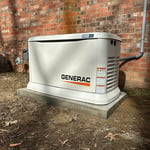
As a safety measure, you should always turn off the main breaker while operating your generator’s backup breaker. In addition, you should also switch off all appliance breakers so you don't have a power surge when the main breaker turns back on. And finally, turning off the main breaker prevents back-feeding, which endangers utility workers with the risk of electrocution. Back-feeding could also destroy the electrical circuits of your neighbors if they use the same power network.

How far you can run underground electric depends on the wire gauge (generally AWG) and the circuit voltage. Too much voltage drop in an electrical circuit can negatively affect performance, so the smaller the voltage drop, the better. Ideally, it shouldn't exceed 3%. The smaller the wire and the longer the run, the more significant the voltage drop. 

For example, with a 120-volt circuit, you can run 60 feet of 12 AWG cable without losing more than 3% voltage. With a 240-volt circuit, you can run 120 feet of 12 AWG wire while maintaining a voltage drop of 3% or less.

You can bury underground electrical wire six inches deep—but only if you use a rigid metal electrical conduit. For rigid, non-metallic conduits, bury the wire at least 12 inches deep. If using an underground feeder cable rated for direct burial, you'll need to place it at least 18 inches deep, as it has no conduit for extra protection.

The Indianola, MS homeowners’ guide to electrical services

From average costs to expert advice, get all the answers you need to get your job done.

What do you need done? We’ll find top pros.
  • 🌱 "Mow a small front yard"
  • 🛠 "Fix a leaking pipe under the sink"
  • 🏠 "Repair shingles on an asphalt roof"