

Top-rated electricians.

Get matched with top electricians in Horn Lake, MS

Enter your zip and get matched with up to 5 pros

Need a pro for your electrical service project in Horn Lake, MS?

Select your specific project to find the pro for you.

TRUSTED BY HORN LAKE, MS HOMEOWNERS

  • Average homeowner rating star icon4.6
    Average homeowner rating
  • Verified reviews icon255
    Verified electrical services reviews

Find Electricians in Horn Lake

Self Electric
4.6(
34
)
Fixed Generator - InstallCeiling Fan - InstallCeiling Fan - Repair+17 more

Serving Horn Lake, MS and surrounding areas

Approved

In business since 2005

Free estimates

Credit card accepted

"I used Self Electric to have 7 outlets installed and they also wired in two new breakers. Their quality of service is 5 star. They are fast, friendly and affordable. They are also flexible with your schedule. I recommend them to anyone. If I ever need electrical service again I won't hesitate to call Self Electric."
Response time1 day
2 neighbors recently requested a quote
Recommended by100%of homeowners
Avatar for Corrigan, LLC
Corrigan, LLC
4.8(
25
)
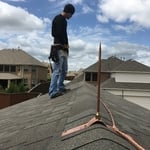
Lightning Protection - Install or Repair

Serving Horn Lake, MS and surrounding areas

Approved

In business since 1954

Free estimates

Emergency services offered

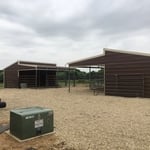
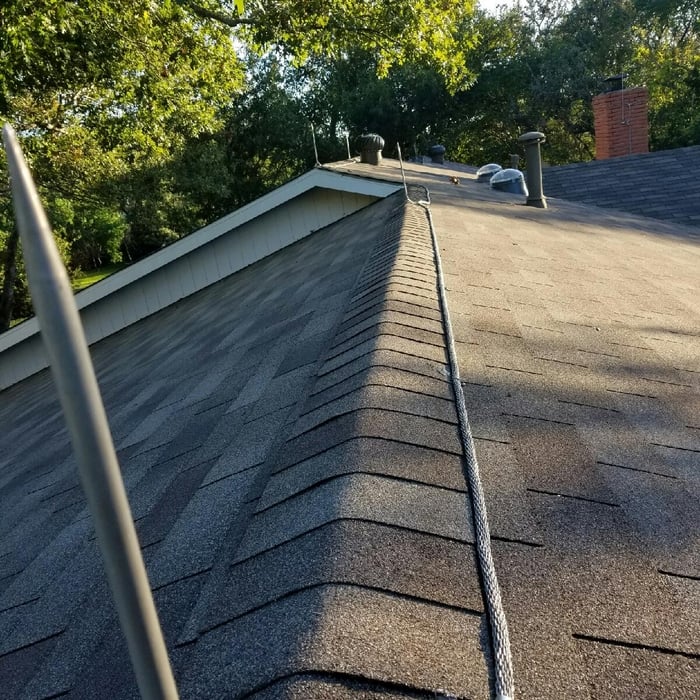
"Mr. Corrigan and sons were very professional and installed the lightning rod system quickly and with attention to detail, using all copper. Very pleased with this company."
Shingle roof air terminal
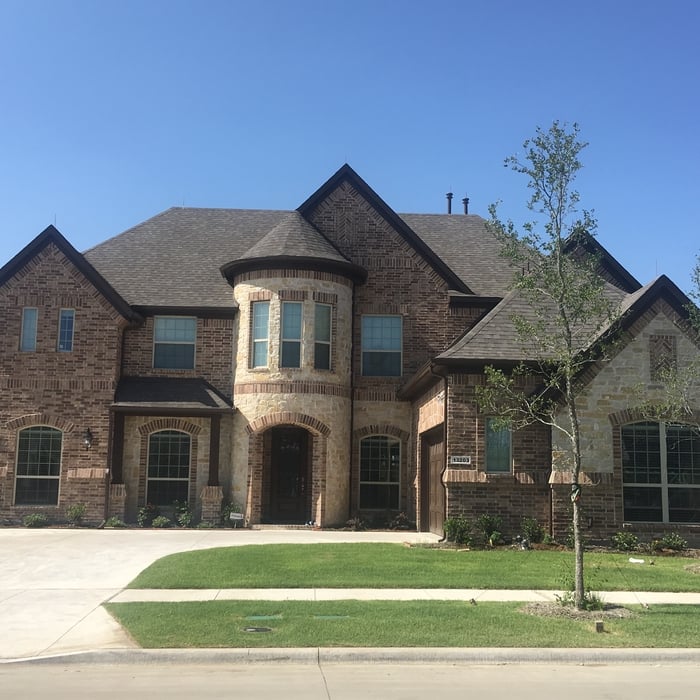
Residential 1
Residential Spanish tile
Horse stable
Residential 2

+23

Response time1 day
17 neighbors recently requested a quote
Recommended by100%of homeowners
Avatar for Donohue's Lightning Rods
Donohue's Lightning Rods
4.3(
70
)
Lightning Protection - Install or Repair

Serving Horn Lake, MS and surrounding areas

Approved

In business since 1971

Free estimates

Emergency services offered

"The man who did the job were awesome. They were very thorough, professional, and speedy. They left our church grounds spotless. I could not recommend them highly enough."
Jobs from the last 3 year
Lightning protection

+10

Response time1 day
54 neighbors recently requested a quote
Recommended by96%of homeowners
...
Showing 1-10 of 252
Electrical questions, answered by experts

Ultimately, the best device depends on what you’re measuring. A voltmeter only measures volts, while a multimeter measures volts, current, resistance, humidity, and possibly much more, depending on the model. If you think you’ll need to measure more than volts, consider investing in a multimeter so you have a tool that can help you with various household projects.

Choosing between 12- or 14-gauge wire for your house depends on the electrical requirements of the circuit. A 12-gauge wire is thicker and can handle more power, making it better suited for devices such as kitchen appliances, air conditioning units, or electric heaters.

A 14-gauge wire is thinner and can handle less electrical current than a 12-gauge wire. It's ideal for circuits with lower power requirements, such as lighting or general-purpose outlets in bedrooms or living rooms.

No, you should never plug a generator directly into a wall outlet in your house. This practice is extremely dangerous, often illegal, and can cause "back-feeding," where power from the generator flows back into utility lines, creating a life-threatening hazard for utility workers. It can also damage your home's electrical system, including appliances like pumps and HVAC fans. If the main power is restored while the generator is connected, it can destroy the generator and cause an electrical fire. To safely connect a generator, you must use a professionally installed transfer switch or an interlocking kit, which prevents back-feeding by disconnecting your home from the utility grid before the generator provides power.

No, it doesn’t matter which of the two wires goes on each of the two switch terminals. Just be sure to put the ground wire in the correct terminal. The ground wire is either green, bare copper, or green with a yellow stripe. The other wires are hot wires and are typically black. They can be used interchangeably.

Overall, heating your home with an oil furnace tends to be less expensive than heating your home with an electric heating system. Oil heating systems stay warm for longer periods of time without drawing a constant electrical current to maintain a temperature. Plus, heating oil systems typically have a longer lifespan and lower price tag than their electrical counterparts, resulting in short- and long-term savings.

The Horn Lake, MS homeowners’ guide to electrical services

From average costs to expert advice, get all the answers you need to get your job done.