



"Noticed we were starting to have issues with our septic tank. Gave Thigpen a call and set up an appointment for the next day. They were here on time and completed the job quickly. No trying to talk me into any other services I didn't need, no bs, just straight up honest work. Will definitely hire again when the time comes."

"Well. Only problem was delay in response time after claim was filed online. Water tank started leaking Thanksgiving morning and no reply until I called the Regional Manager."
"Takes for ever to get a return a call. Also took a week to get someone out for repairs. They said they would reimburse me for septic repairs and it took over 3 months for that to happen."
We are a locally owned and operated company that values honesty and integrity, and treats your home as if it were our own. We offer a variety of services that are customized to each individual project. You will find us to be competitively priced, paying close attention to the details of each and every project that we are involved with. We look forward to building lasting relationships, and guarantee your satisfaction!
Leach lines are commonly made of PVC pipe, and they’re placed into trenches filled with gravel and sand, which help treat the wastewater. The PVC pipes are perforated, or drilled with small holes, so the wastewater can drain out of the pipes and into the surrounding material, which eventually leads to the aquifer.
There are a couple of ways you can determine the depth of your well. One method is to use a device called a well sounder. This tool has a long measuring tape containing a sensor to alert you once the end reaches the water.
Or you can DIY it by using a long tape measure with a half-filled bottle of water attached to it. Lower the tape measure into your well. Once you feel tension on the tape, you’ll know the bottle has reached your static water level. This will give you an approximate idea of your well’s depth.
Mound systems can fail if foreign objects are flushed into the septic tank, the septic tank is backed up with solid waste (sludge), if wastewater floods or seeps from the mound, or if any part of the system is clogged. To prevent this, only flush toilet paper and your normal “business” down toilets, and get a septic inspection at least yearly.
Your drain field or leach field should be 1 to 3 feet under the ground. It will be a little shallower than the septic tank, although it can be the same depth or slightly deeper. The proper depth of the septic tank is up to 4 feet. It’s possible that your local regulatory agency requires a certain depth for your drain field.
Perc rates vary dramatically, and a good perc rate could be anything from 5 minutes per inch of drainage to 60 minutes per inch. The lower the number, the faster your system will drain and the more effective it will be. A 60-minute-per-inch drain rate is the highest number considered to be good, or even allowable, draining.
The Forest, MS homeowners’ guide to septic tank services
From average costs to expert advice, get all the answers you need to get your job done.
Caring for your septic system is crucial to ensuring its long life. But how much does it cost to pump a septic tank? We explore the different cost factors.
A damaged septic system can leak odors and sewage, so repairs are urgent. Find out how much septic tank repair costs based on repair type, tank size, and more.
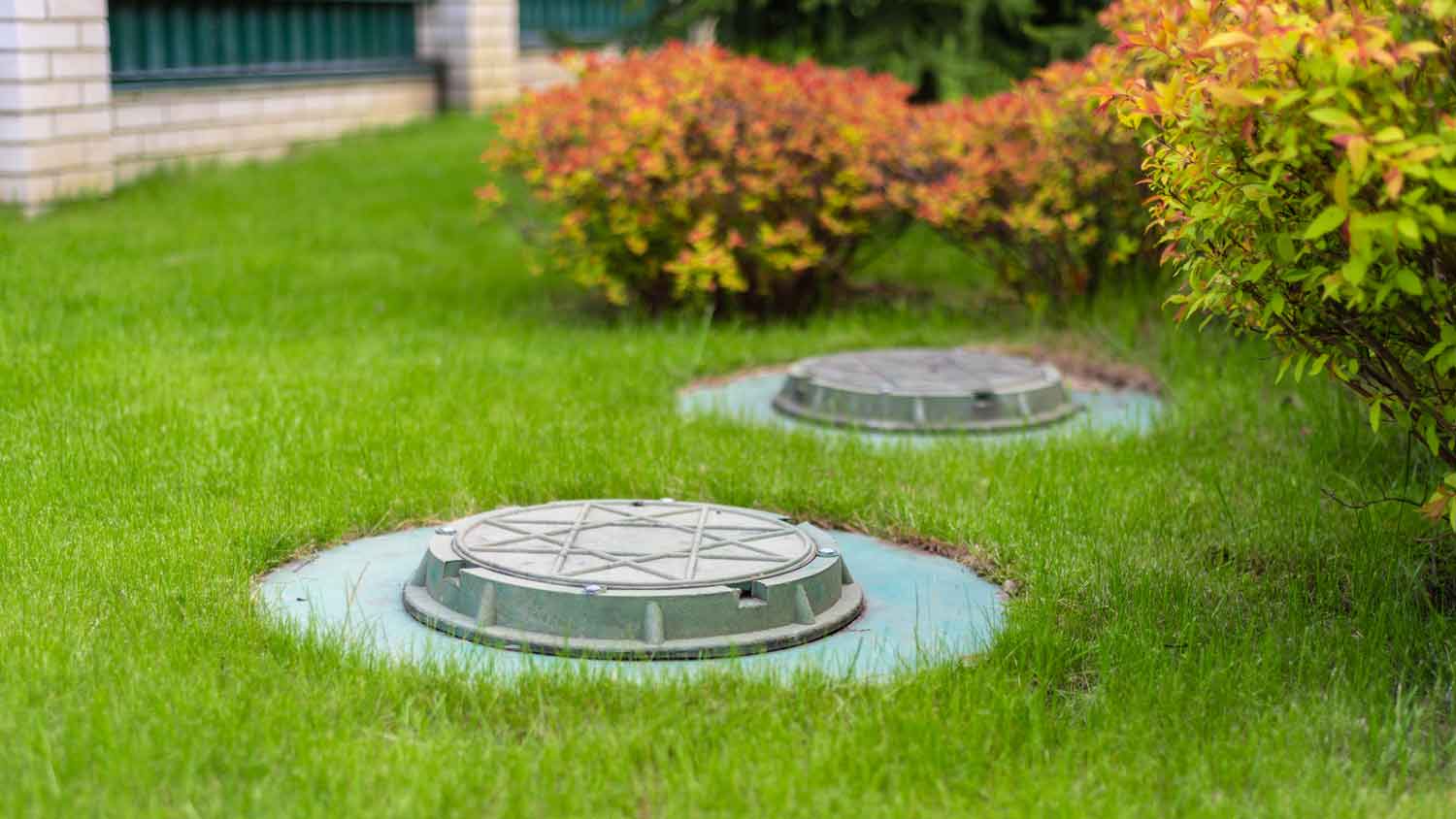
Septic tank risers make it easy to access your septic tank when it’s time for routine inspection, maintenance, and pumping, saving you precious time and labor costs.
Septic tank sizes vary depending on the size of your home, how many people live there, how much water you use, and more. Read on to learn how to determine the right size for you.