






"Noticed we were starting to have issues with our septic tank. Gave Thigpen a call and set up an appointment for the next day. They were here on time and completed the job quickly. No trying to talk me into any other services I didn't need, no bs, just straight up honest work. Will definitely hire again when the time comes."

We pride our company on reliability, great communication, integrity, and quality work. We are experts in our trade and will do our best to keep you as educated as we can on your particular task or project. We look forward to earning your business! Book with us online or feel free to give us a call today!
"He was able to quickly diagnose that the water leak from the water heater was a result of a ruptured tank, resulting in the need to replace the entire water heater."
"I just pay $75 you never know who's going to come out. They do everything electrical. Just about everything is covered except the septic tank. I had an air conditioner replaced. It went great, all I had to do was pay for the freon. He didn't charge e more than what was needed."
We take great pride in our experience, expertise, quality, and customer service that we provide to meet the consumer's needs. It is our mission to provide excellent workmanship and complete customer satisfaction from start to completion of a project. In order to understand the needs and expectations of our customers, we take great care to work and communicate with every customer in a professional manner. Our reputation is based on service, safety, and quality, regardless of how large or small the job.\n
A cistern works by collecting rainwater from your gutters and downspouts and storing it in a holding tank. The holding tank can be installed above or below ground, and the size will depend on your household needs. The stored water can then be used for household tasks, watering your garden, and even for drinking water.
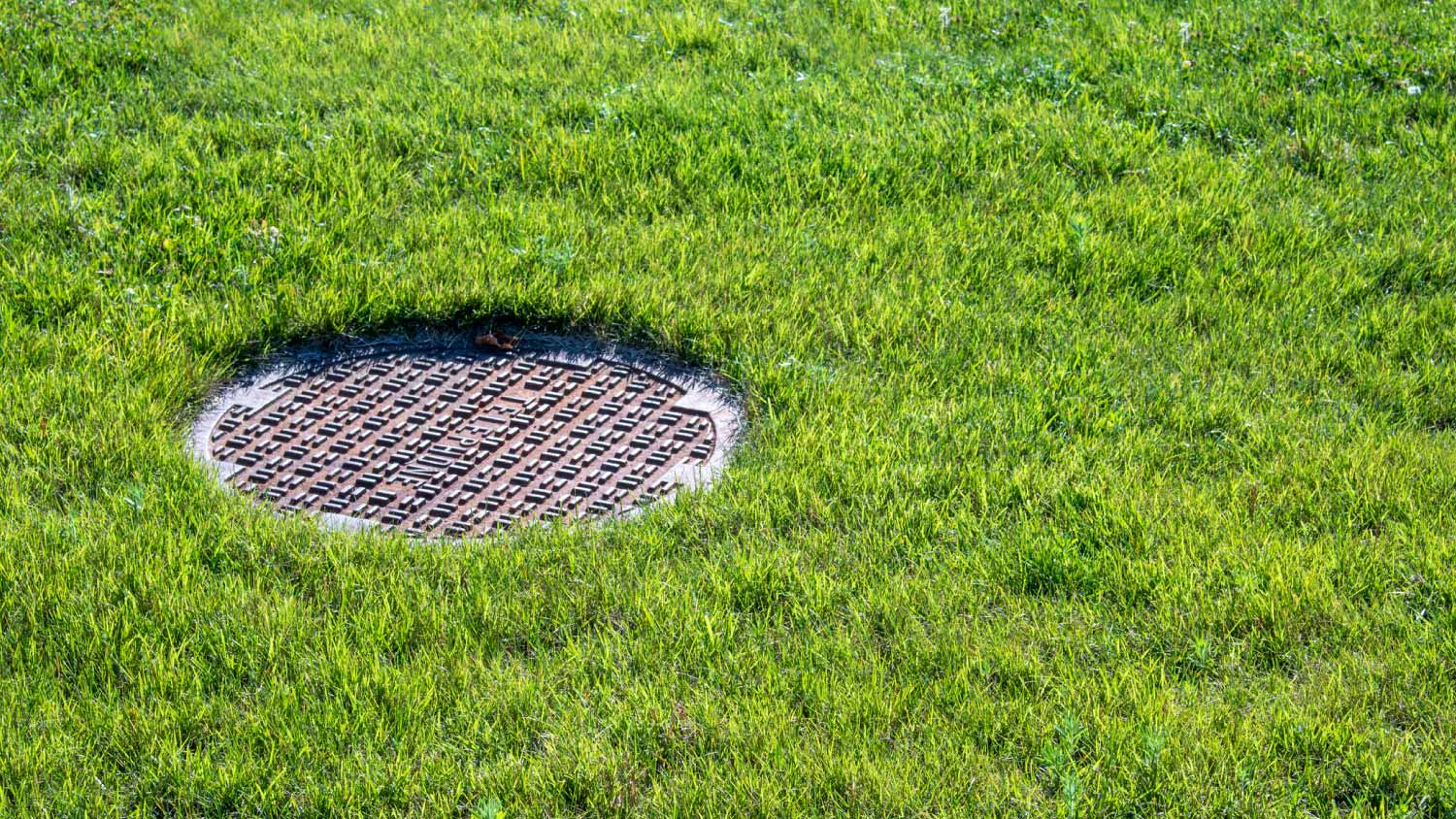
Your drain field or leach field should be 1 to 3 feet under the ground. It will be a little shallower than the septic tank, although it can be the same depth or slightly deeper. The proper depth of the septic tank is up to 4 feet. It’s possible that your local regulatory agency requires a certain depth for your drain field.
The bacteria already present in your septic system should be enough to break down solids in a properly maintained septic tank. However, if you’re in a DIY mood, you can try adding (well-mashed) rotten tomatoes to help the good bacteria fulfill their duty. Just make sure you give them a couple hours to work after flushing them down.
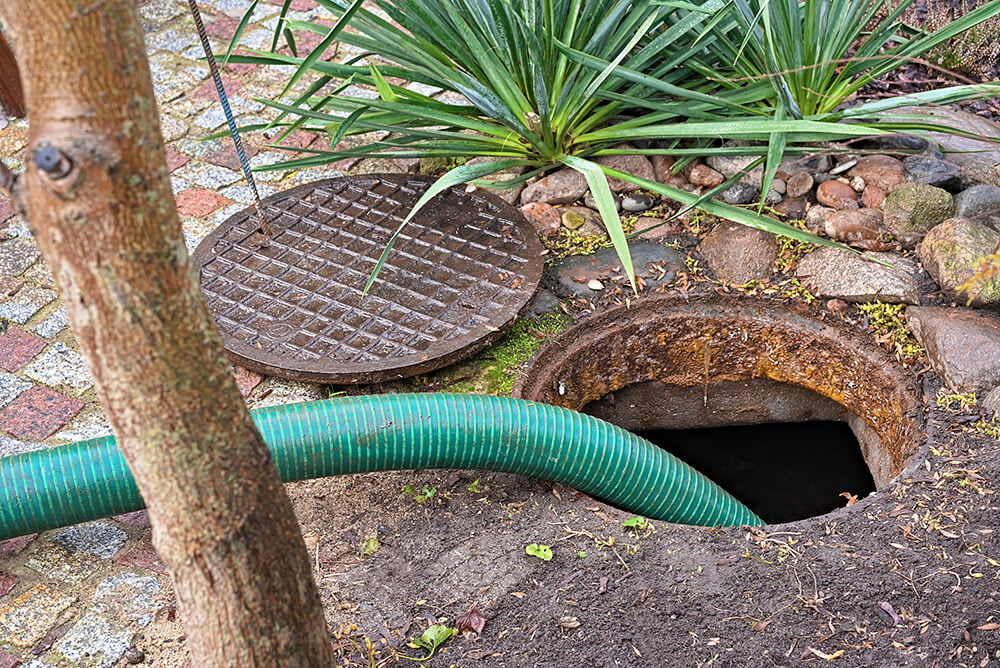
Concrete septic tank risers are heavier and more durable than plastic or fiberglass ones, making them suitable for long-term use. Installing a concrete riser differs from installing plastic or fiberglass risers primarily in the materials and methods used. The process involves cutting the concrete risers to the required length and then stacking them, using concrete sealant or adhesive between sections for secure attachment. Due to their weight, extra care is necessary during leveling and the attachment of sections. Concrete sealant or adhesive may also require a curing before the riser is ready for use.
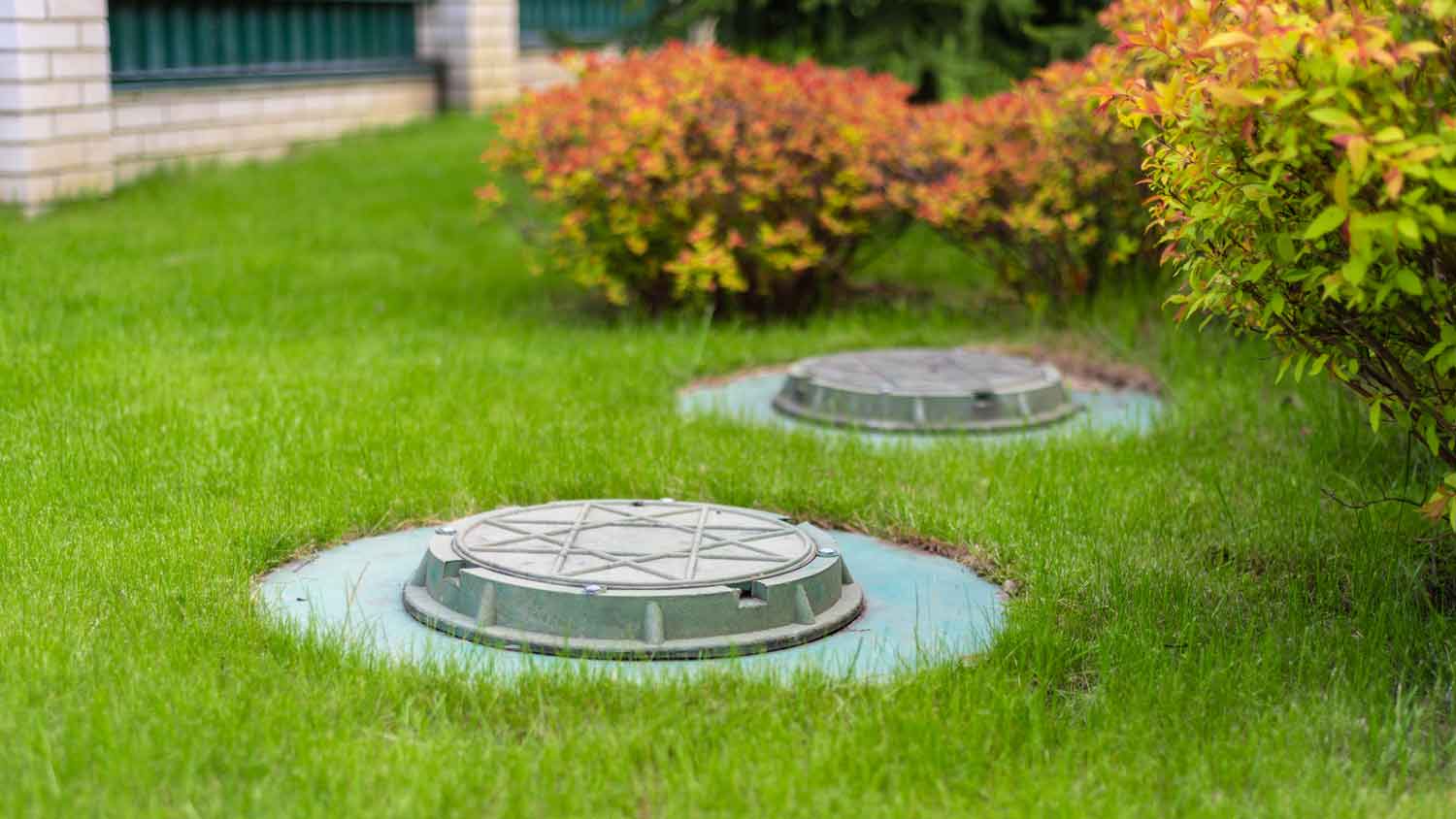
Septic tanks come in multiple shapes, sizes, and materials. However, they’re often round or rectangular in shape and made from concrete, fiberglass, or plastic. There’s a range of septic tank sizes, with the average model measuring 30 to 40 square feet and holding 1,000 to 1,500 gallons of waste.
The Bude, MS homeowners’ guide to septic tank services
From average costs to expert advice, get all the answers you need to get your job done.
It’s crucial to install a septic tank with the right volume to avoid wastewater backups. This guide will help you calculate the right septic tank volume.
Septic tank sizes vary depending on the size of your home, how many people live there, how much water you use, and more. Read on to learn how to determine the right size for you.