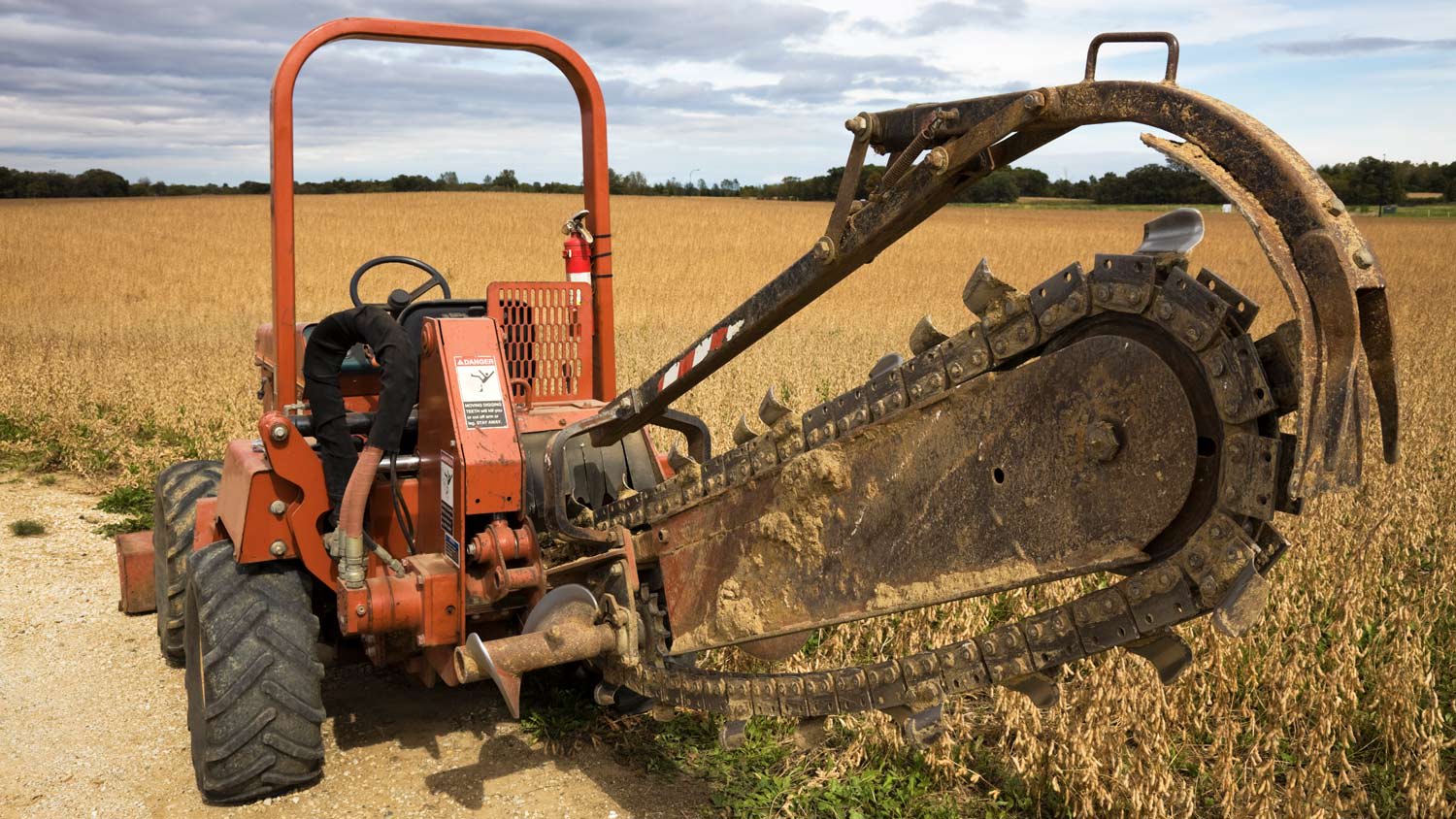
If you need to dig a trench, you might be tempted to do it yourself instead of hiring a pro. So, how much does it cost to rent a trencher? Let’s break it down.
Can you dig it?

Machine trenchers dig long, narrow channels for utilities or drainage, and they save you time compared to manual digging with a shovel.
Expect to pay $5 to $24 per linear foot for professional trenching, with total costs ranging from $500 to $2,400 for 100 linear feet.
Call 811 before you dig to mark underground utilities, then clear your path of debris to prevent damage to the trencher and keep yourself safe.
Hiring a local excavation company provides experienced operators who complete your trenching work quickly and safely while minimizing risks to underground utilities and your property.
Digging a hole takes a good shovel and a strong back. Digging a trench, however, will require much more. If you’re adding utilities to your property or installing drainage, you’ll need to learn how to use a trencher safely and effectively (or know when to call a pro instead).
A trencher is a heavy machine that has the power to dig long, narrow trenches in preparation for excavation or construction projects. The most powerful trenchers can cut through tree roots and even pavement. If that sounds like a better alternative to manual work with a shovel, you’d be right, but it’s the size and scope of the project that will determine the use of the tool.
When digging more than 1 foot below the ground or digging for the length it takes to run wiring, pipes, or any other underground system, you’ll need to learn how to use a trencher or call a pro to dig a trench for you.
Expect to pay between $5 and $12 per linear foot for a trenching project. For more advanced projects, such as digging past tough soil or obstructions, expect that range to be $13 to $24 per linear foot.
Keep in mind, though, that an excavation pro near you will likely give you a quote for 100 linear feet, so you’ll be looking at cost estimates of anywhere between $500 and $2,400 for a trenching project. Your ultimate costs for a trenching project will depend on size, conduit materials, equipment, labor, permit fees, prep, foundation, and finishing.
Your first and most important trenching task is to call 811. That’s the national “call before you dig” phone number. You’ll need to make sure your digging won’t hit or otherwise disturb any power lines. A representative from the utility company or town agency will visit your property to mark off where the power lines, sewer lines, and other critical systems are buried so that you don’t damage or disrupt them during your digging project.

Not everyone should try to operate a trencher, but if you’re confident in your skills using heavy machinery, you may be willing to give it a try. Learn how to use a trencher by following the steps below.
It’s always a good idea to practice using a trencher under the supervision of someone who already knows how to operate this heavy machine. Here’s a brief overview of the main parts of a trencher.
Steering: This might be a handle or a more complicated series of levers and controls.
Depth control: This is the lever that allows you to raise or lower the trencher boom to the proper depth needed for your trench.
Chain/wheel control: This important control turns the trenching motion on or off. Always be aware of where this is located.
Speed control: This controls how fast or slow the machine will move.
Gear shift: Start the machine in neutral, then shift to forward or reverse accordingly.
Safety: This is a switch or lever that you have to disengage before starting the machine. Like the chain or wheel control, this is a part that will ensure the trencher is digging only when you want it to dig.
This is different from any marked utility lines or obstacles. You’ll want to use spray paint, flags, some rope, or anything else that will be a clear guide for you to follow when digging the trench in a straight line.
Remove anything that might be blocking the path of the trencher. You don’t want rocks, fallen branches, or other yard debris getting jammed in a mechanism because it will risk damaging the machine and potentially result in personal injury, which could be severe.
Be sure to check the manual for how to start your particular model. A walk-behind trencher often has a key and uses a pull-to-start mechanism, much like a lawnmower. If you have trouble just trying to find the “start” mechanism, you should step away from the trencher and call a pro.
It’s just the turn of a dial or lever that allows you to adjust the depth setting on the trencher. Test the depth and make the necessary adjustments before you fully commit to digging.
Slow and steady wins the race here. Start walking or moving slowly along the line you’ve marked at first until you get a feel for the speed and controls of the trencher. The goal is to have a clean trench behind you as you go, so take your time. Remember, the machine is doing all the work, and you’re mainly there to guide it.
Turn off the trencher after you’ve finished the work, and make sure the safety switch is engaged. Clean the trencher of dirt—a must if you’re returning a rental—before putting it back in storage. Examine the chain and other key components for signs of wear.
Using any heavy-duty machinery requires careful attention and diligent practice or, in the case of trenching, some proper training.
The 5-4-3-2-1 trenching rule is a handy way to remember safety when digging trenches. Here’s how it works:
5: There must be some protection system in place for any trenches dug 5 feet or deeper.
4: For anything deeper than 4 feet, there must be an inspection by an experienced professional.
3: For trenches dug 3 feet or deeper, proper access and an exit for safety is required.
2: Even trenches at 2 feet deep require that workers complete trenching safety training.
1: Lastly, although 1-foot trenches seem comparatively small to other projects, they still require a hazard assessment.
The 5-4-3-2-1 trenching rule is a good benchmark for safety. You have to actually practice the rules to stay safe, not just remember them.

Although a talented DIYer can learn to use virtually any machine with proper training and practice, digging trenches is better left to an excavation pro near you.
Trenching costs anywhere between $5 and $24 per linear foot, with a firmer price depending on the hardness or softness of the soil and the length and depth of the trench, among other factors.
You can certainly save money by renting a trencher and doing the work yourself, but it might take you many more hours, if not days, to complete a project. By hiring a pro to do the work, you have the benefit of an experienced contractor doing the work more quickly and easily—not to mention with more precision—than you would.
Jason has helped me with multiple household projects, with the most recent being new door installation. He has always showed up on time and organized and has done an incredible job! Jason is very professional and he's now my go-to for anything around my house that needs to be fixed or...
 Huff Garage Rescue, LLC
Amazing job. Efficient and quick without compromising quality. Basement feels brand new. Would use them again in a heartbeat.
 AffordaPro Restoration
Best cleaning I've had at my property
This company is my go to resource for all my post renovation clean ups. They get the place spotless! All we have to do after is stage the place and sell, sell, sell! They are super professional and have some amazing scent that is left in every property. I highly recommend!
 The Royal Sanitation Group
Custom Paint Jobs LLC took our exterior from drab to fab! We couldnt be happier.
 Custom Paint Jobs, LLC
We had our houses windows and back door replace this summer by Window Depot USA of Central. He gave us grate advise and saved my family lots money. The team did a fantastic job with installation. If you need help, they sure get job done right!
 Window Depot USA of Central Ohio
Beginning with the estimate, Larry and Peyton were super helpful in getting my new condo's interior re-painted. Not only was the job well done, but also done in a super timely manner as promised.
 Five Star Painting of Plain City and Powell
Great job...edging and pre clean up went well with a great job with seal coat. Friendly, efficient and professional.
 All Star Paving and Sealing
Did an amazing job transforming my yard. Also installed sod in places, would recommend to everyone.
 Cardinal Landscaping & Construction LLC
Very knowledgable, very respectful and did a great job. They take pride in their work and it shows. I would highly recommend Dad's Home Repair and Excavation.
 Dad's Home Repair & Excavation
From average costs to expert advice, get all the answers you need to get your job done.
If you need to dig a trench, you might be tempted to do it yourself instead of hiring a pro. So, how much does it cost to rent a trencher? Let’s break it down.
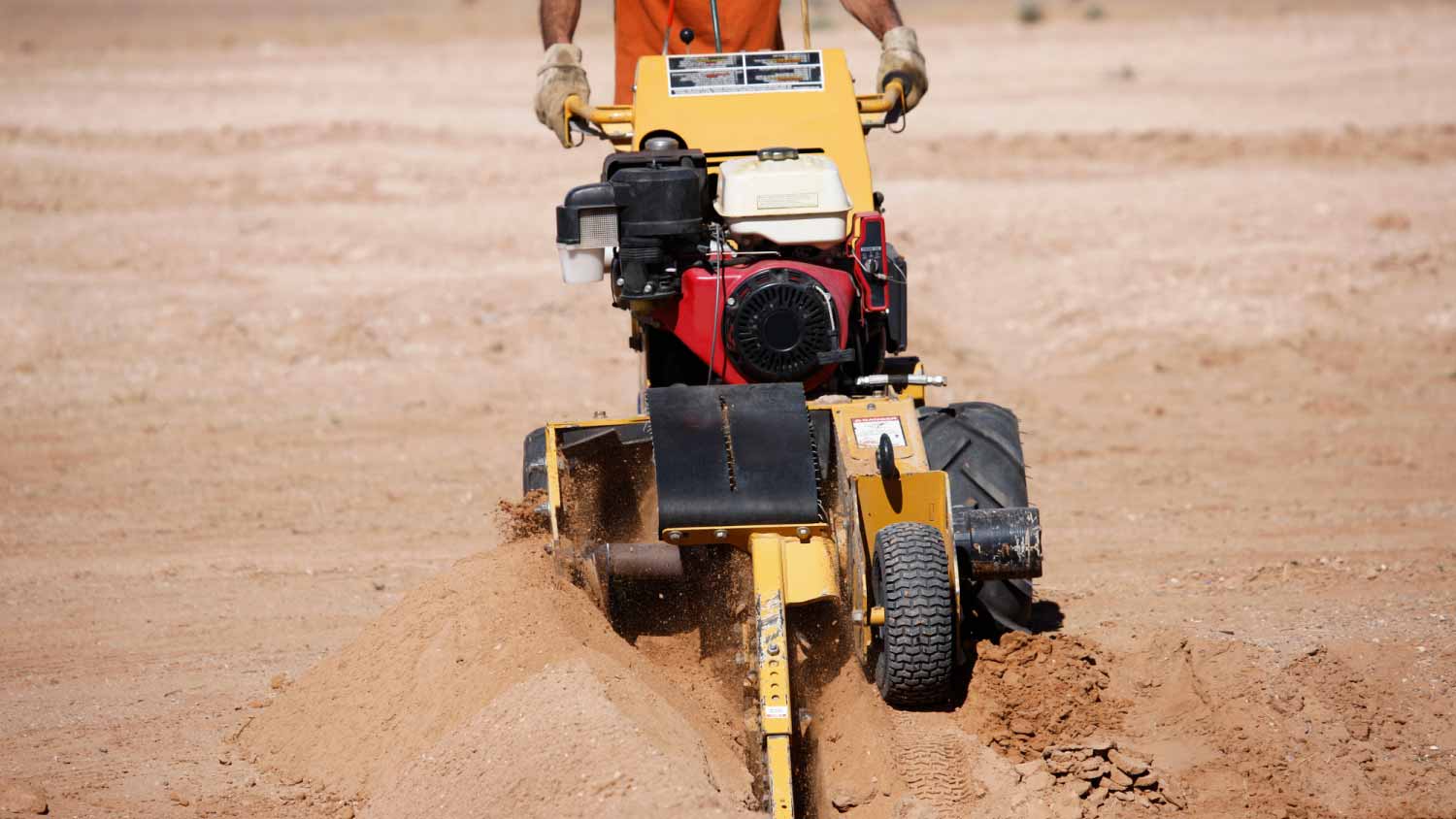
A residential trencher will dig 1 foot to 6 feet deep, depending on the machine. Learn how deep a trencher will dig and which trencher to use.
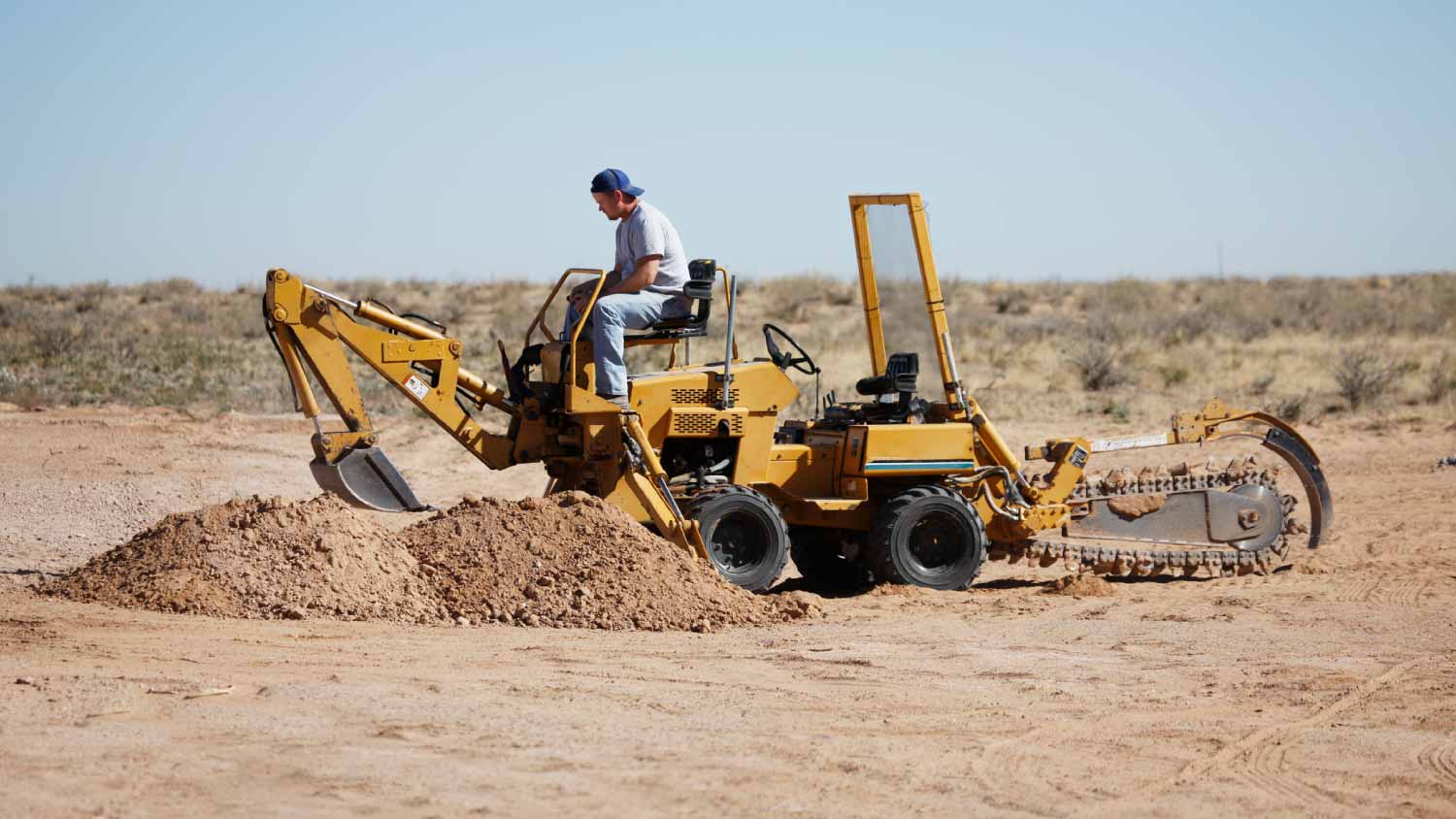
When planning to trench, you may be concerned about rocky ground. Can a trencher go through rock? Find out what your trencher can cut through in this guide.
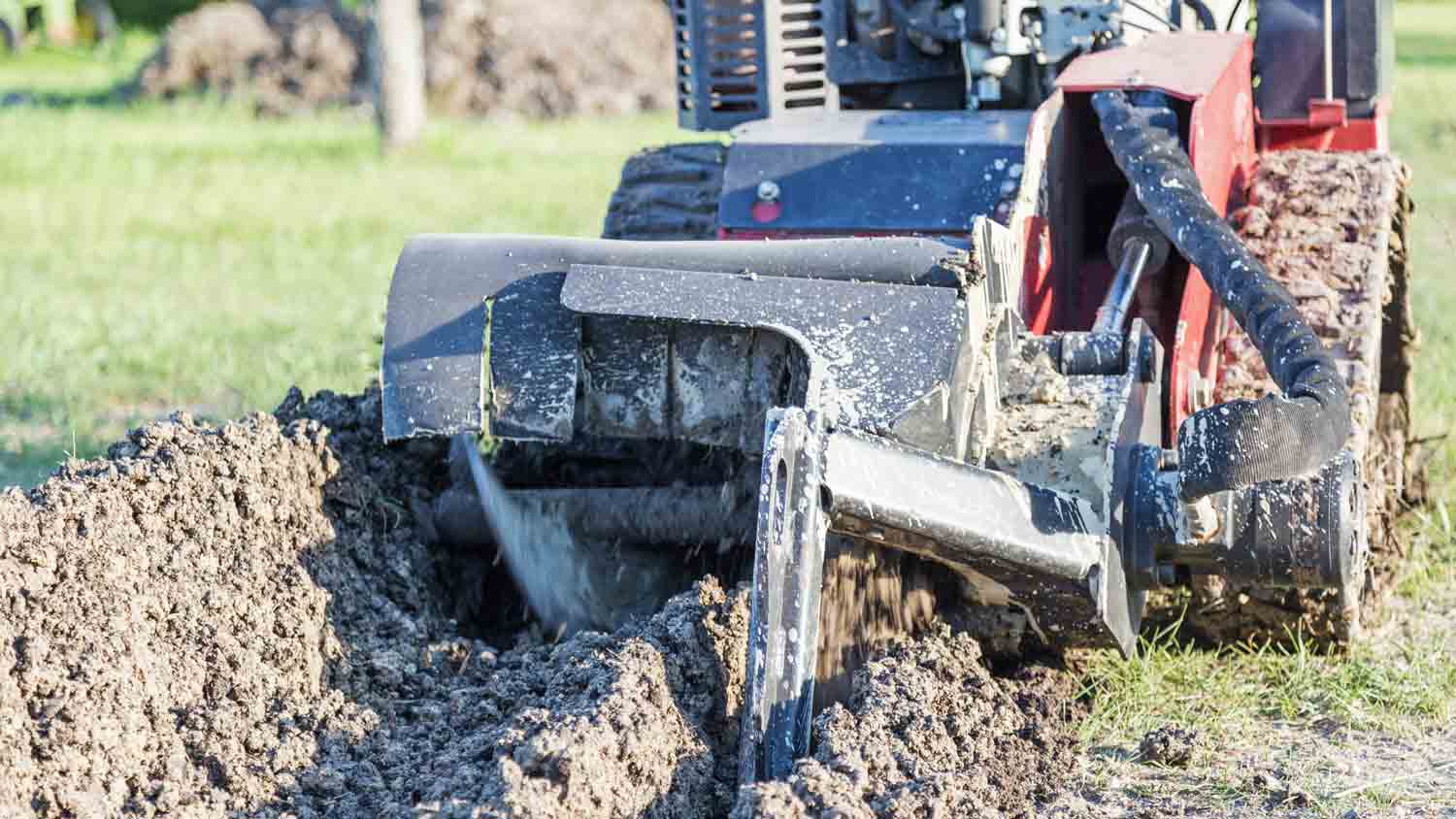
When prepping a trench, you may ask, “Will a trencher cut through roots?” Learn how a trencher can effectively complete your excavation project with this guide.
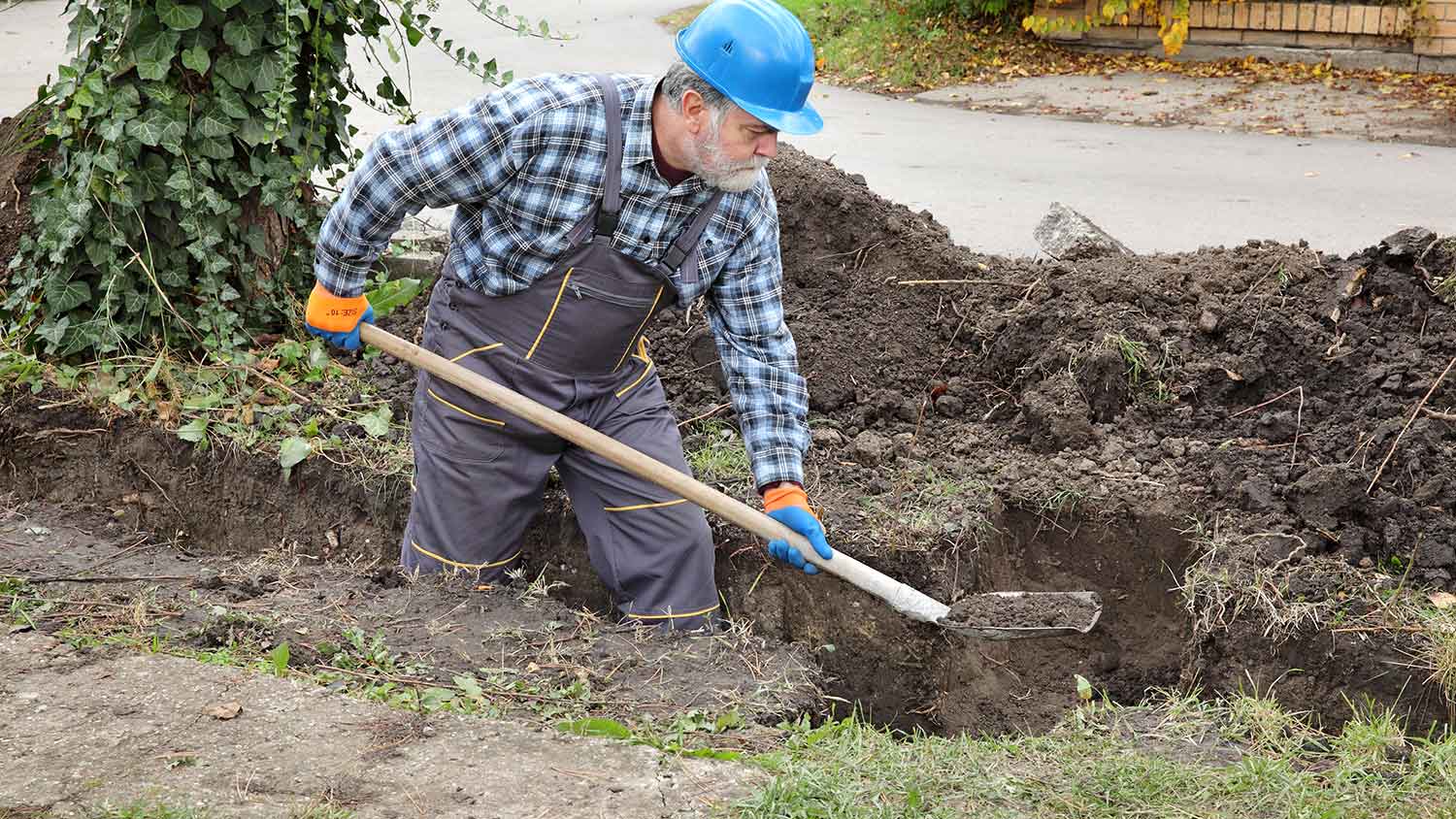
Digging a trench can take two to 12 hours, depending on the tool and soil type. Learn how long it takes to dig a trench and how to speed up the project.
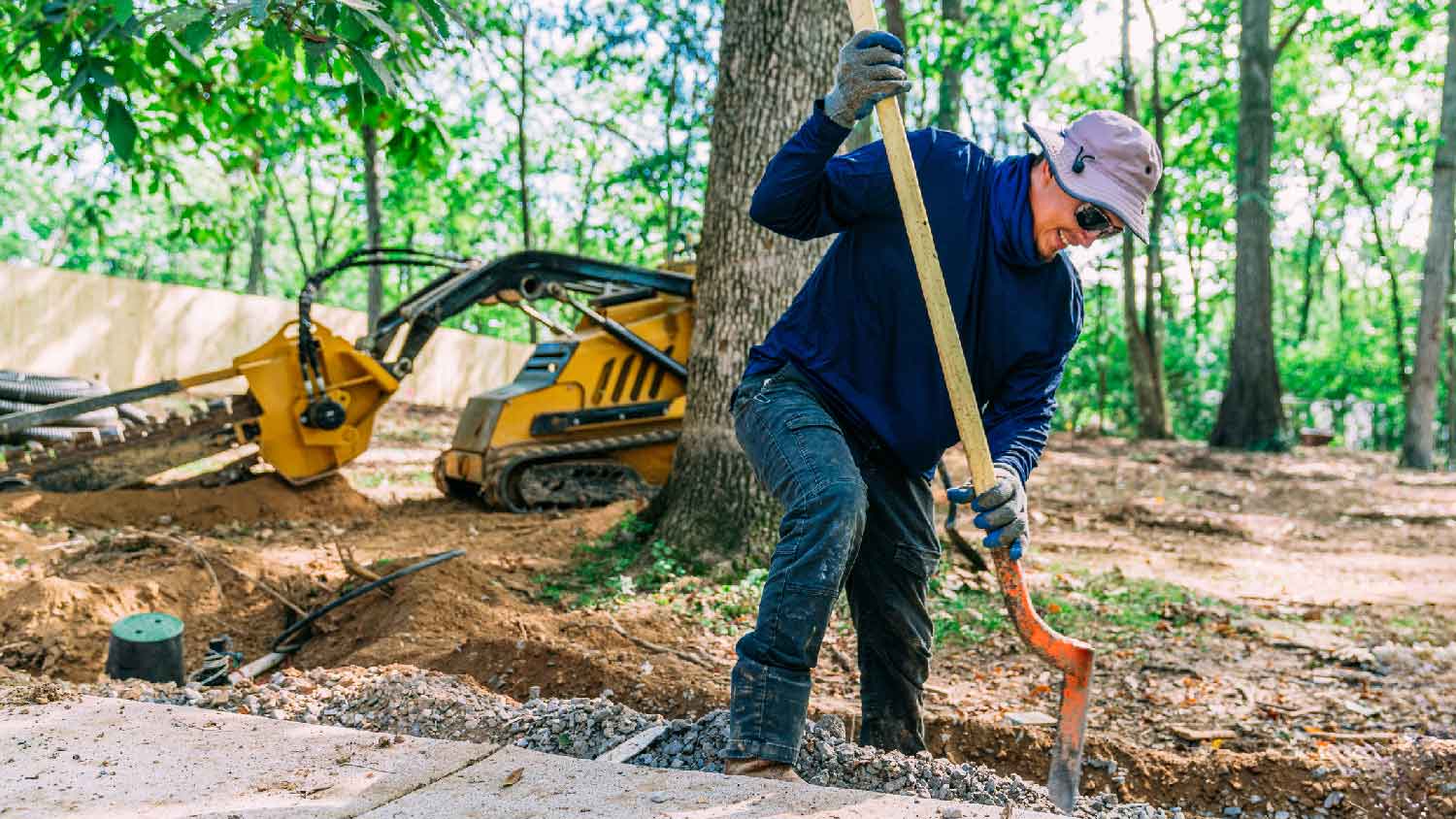
Trenching involves digging long, deep channels, but edging creates shallow, neat borders. Learn more about each method and when to use them.