


Top-rated paving pros.

Get matched with top paving pros in Westphalia, MO

Enter your zip and get matched with up to 5 pros

Need a pro for your paving service project in Westphalia, MO?

Select your specific project to find the pro for you.

Find Paving pros in Westphalia

Avatar for Stanley's Home Improvement
Stanley's Home Improvement
3.3(
12
)
Asphalt Paving - InstallAsphalt Paving - Install- For BusinessAsphalt Paving - Repair or Patch+3 more

Serving Westphalia, MO and surrounding areas

Free estimates

Emergency services offered

"They did a very amazing job with the amount of trees i was needing done, they was very respectful and a very affordable price, my wife also hired then again when they mentioned landscaping and it was outstanding. I will call them again for the trees and landscaping needs next year!"
Additional Photos
Additional Photos
Additional Photos
Additional Photos
Additional Photos

+8

Recommended by77%of homeowners
Showing 1-10 of 29
Paving Services questions, answered by experts

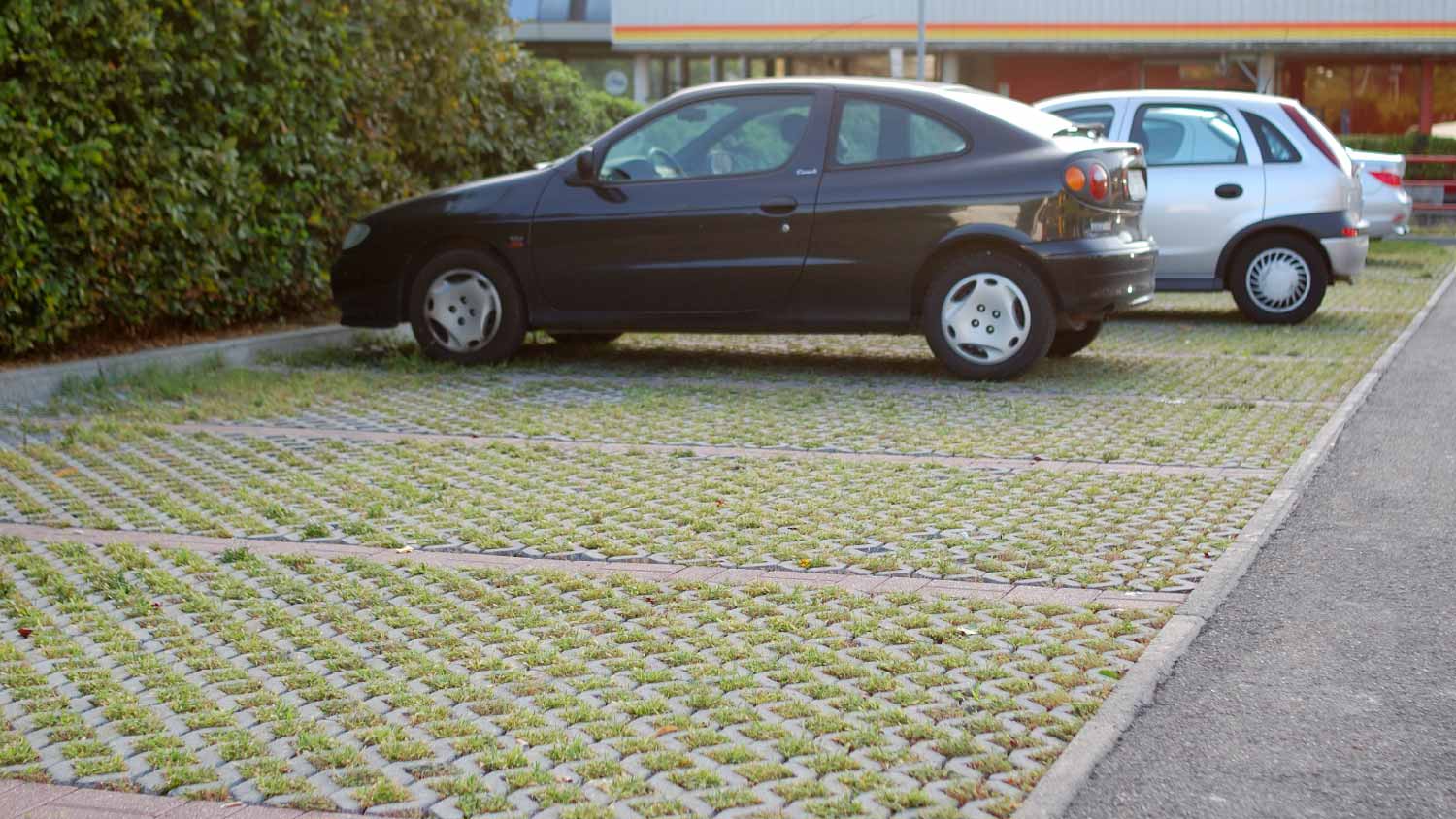
The most obvious disadvantage of permeable paving is that the cost is typically higher compared to non-permeable concrete, pavers, or asphalt methods. Also, the porous material can get clogged with dirt and debris, requiring cleaning and power washing more frequently than standard paving materials and methods. Although permeable paving is not ideal for highways, airports, and other surfaces supporting heavy traffic and machinery, it is suitable for regular residential driveways.

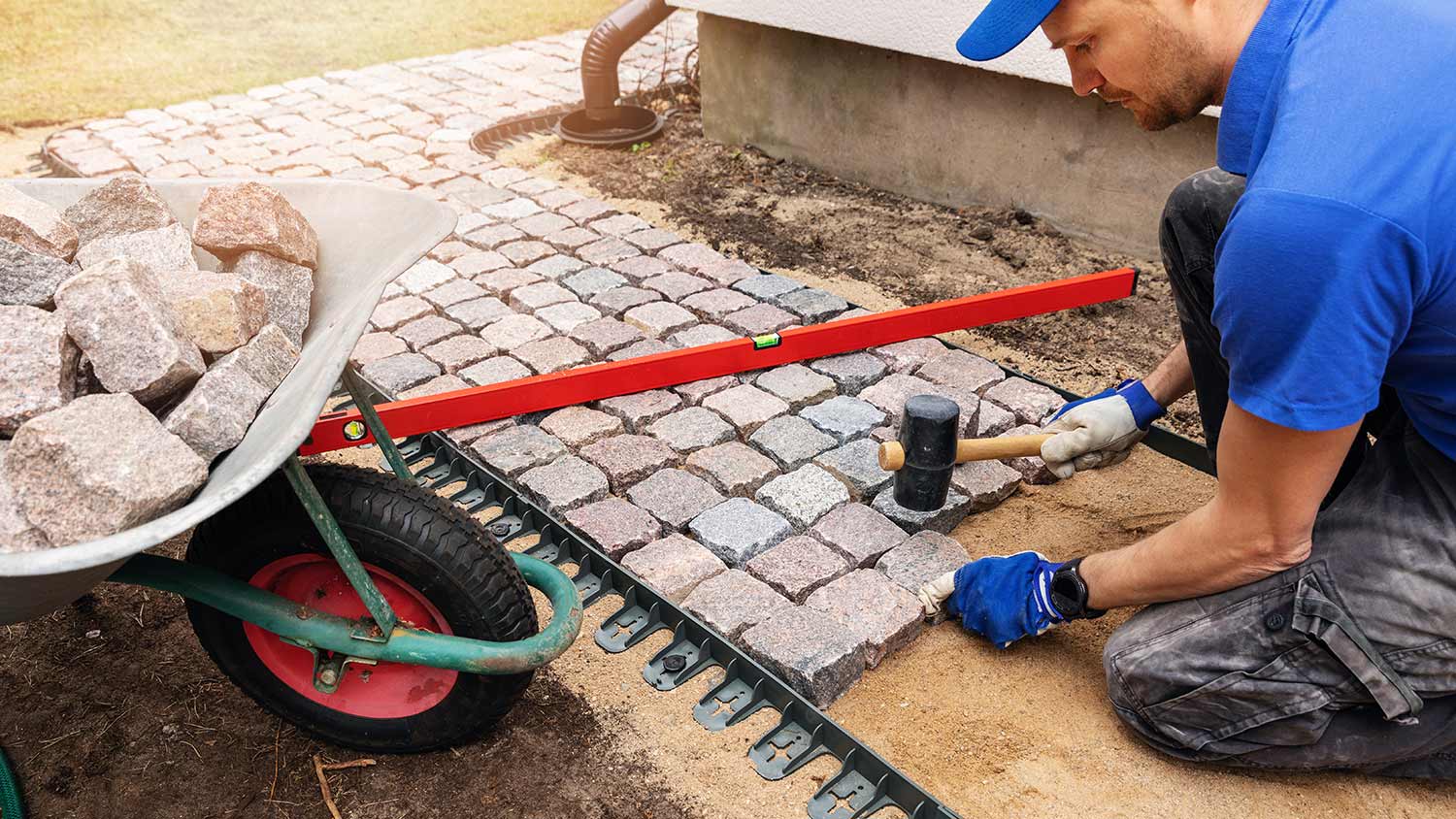
The layer of polymeric sand under the pavers plus the polymeric sand that gets swept into the joints between your pavers holds them in place in a few ways. For one, the gritty texture of the sand helps lock the pavers together. Polymeric sand also contains bonding agents that get activated by water. Polymeric sand will take between 24 and 48 hours to fully cure, so do not walk on your paver walkway before this time.

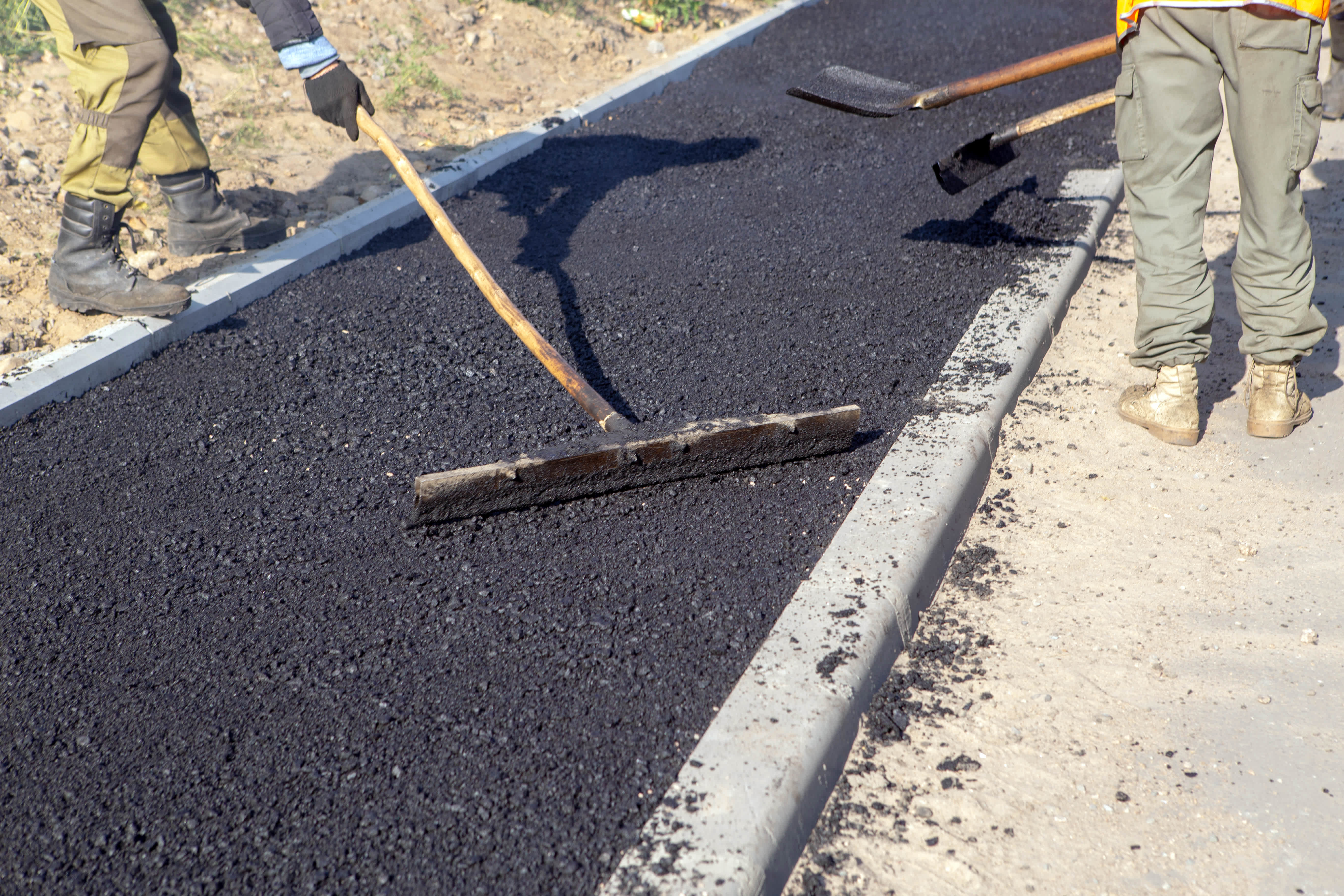
A driveway's lifespan varies by material. Asphalt driveways typically last 15 to 30 years, while concrete driveways last longer, between 20 and 50 years. The longevity of any driveway is affected by factors like extreme temperatures, heavy traffic, and the quality of maintenance. Regular upkeep, such as filling cracks, resealing the surface, and ensuring proper drainage, can help extend its life. For gravel driveways, regrading to fill in uneven areas every year or two is recommended.

Yes, you can put thin pavers over a concrete driveway. However, it's always best to talk to a driveway installer before starting. You'll need to ensure that the concrete below is in good enough shape to hold the pavers and that the driveway will still meet local building codes.

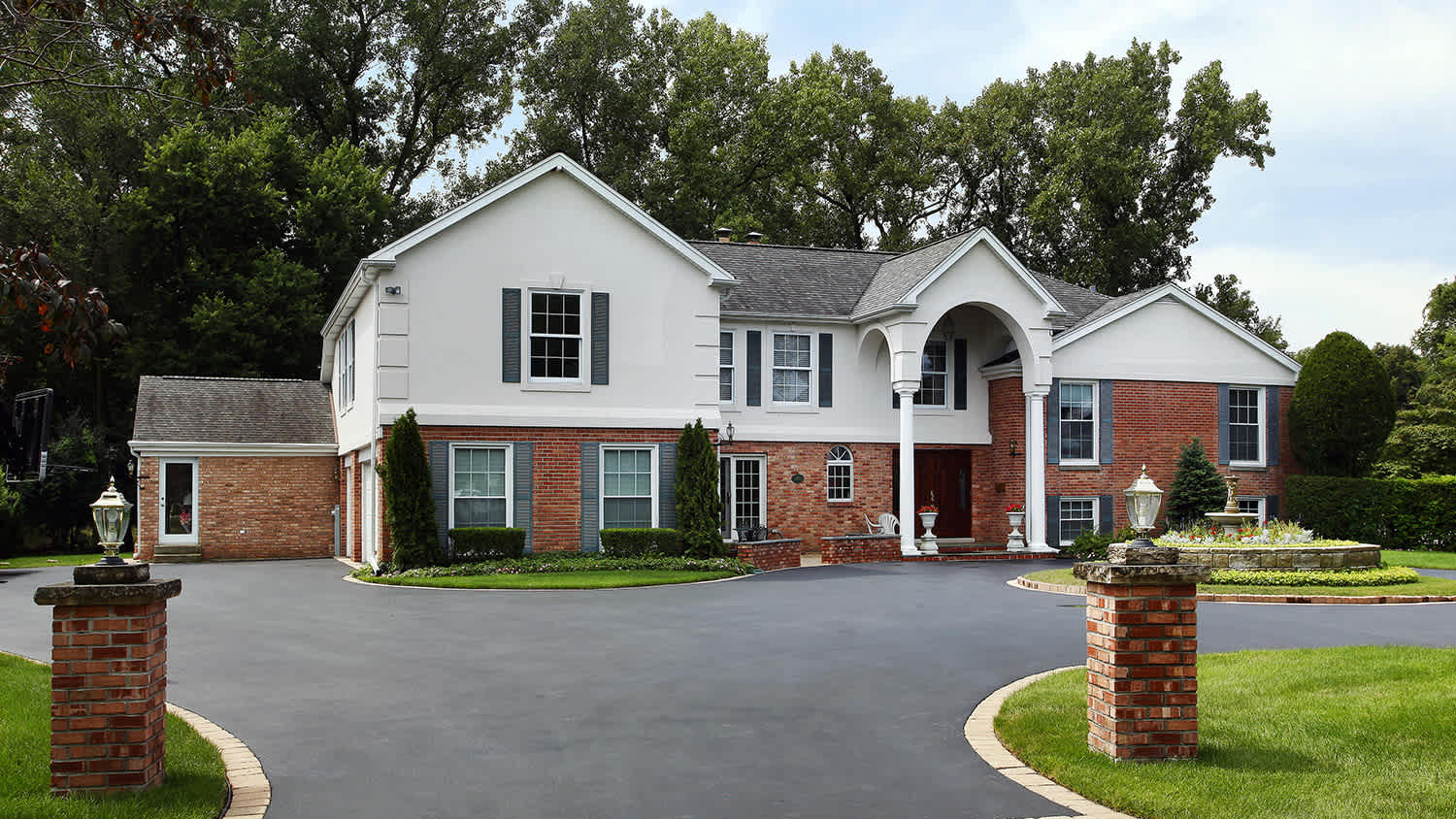
Yes, a paved or repaved driveway can boost your home's value by increasing its curb appeal and the functionality of your outdoor space. A new driveway can add anywhere from $5,000 to $20,000 to a property's value. An old, crumbling driveway can be a red flag for potential buyers and inspectors.

The amount of value added depends on the materials used, the design, and local market conditions. Concrete is often cited as adding the most value due to its long lifespan, though asphalt may be more desirable in colder climates. The return on investment is greatest when replacing a driveway that is in poor condition; repaving a driveway that is already in good shape will not yield as significant an increase in value.

The Westphalia, MO homeowners’ guide to paving services

From average costs to expert advice, get all the answers you need to get your job done.