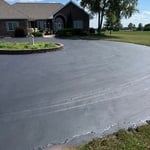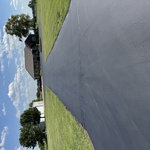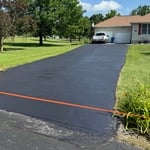



Top-rated paving pros.

Get matched with top paving pros in Taos, MO

Enter your zip and get matched with up to 5 pros

Need a pro for your paving service project in Taos, MO?

Select your specific project to find the pro for you.

Find Paving pros in Taos

Avatar for Luebbering Skid Steer Services and Excavating
Luebbering Skid Steer Services and Excavating
5.0(
11
)
Gravel or Loose Fill Paving - Install, Spread or Scrape

Serving Taos, MO and surrounding areas

Approved

In business since 2010

Free estimates

Offers commercial services

"Great to work with. Prompt estimate, hard working, showed up when he said he would (day and time), quality work, completed in a timely manner. Very pleased with outcome. Would hire him again if I needed his services."
Response time5 days
2 neighbors recently requested a quote
Recommended by90%of homeowners
Bex Construction Services
New to Angi
Asphalt Paving - Install- For BusinessAsphalt Paving - Repair or Patch - For Business

Serving Taos, MO and surrounding areas

Approved

In business since 2013

Free estimates

Offers commercial services

We pride our company on reliability, great communication, integrity, and quality work. We are experts in our trade and will do our best to keep you as educated as we can on your particular task or project. We look forward to earning your business! Call Today!\n\n

Response time7 hrs
Avatar for Charlton Paving & Slurry Seal, LLC
Charlton Paving & Slurry Seal, LLC
4.3(
102
)
Asphalt Paving - InstallAsphalt Paving - Install- For BusinessAsphalt Paving - Repair or Patch+1 more

Serving Taos, MO and surrounding areas

In business since 1990

Free estimates

Emergency services offered

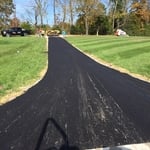
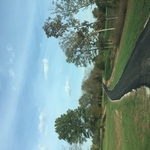
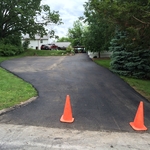
"Raymond and his crew were great to work with. We had them pave our subdivision road and complete side jobs for home owner's parking areas and driveways. His pricing was very reasonable compared to other quotes I received. His communication was impeccable as Raymond kept me informed on timing, and any project concerns. His crew also showed up on time when they said they would, which is many times at the lake a huge concern. I would definitely use them again. I will be happy to provide references if needed."
Paving 2016
O
Paving 2016
Paving 2016
Paving 2016

+31

Response time1 day
Response rate90%
Recommended by86%of homeowners
Showing 1-10 of 50
Paving Services questions, answered by experts

The ideal distance between stepping stones depends on your design preference. A general rule is to place them about 24 inches apart from center to center to match an average person's stride. Another common approach is to leave about 6 inches of space between the edges of each stone; this can be adjusted to fit the path's total length without cutting pavers. If you plan to plant between the stones, leave at least 6 to 8 inches of space to give the plants room to grow.

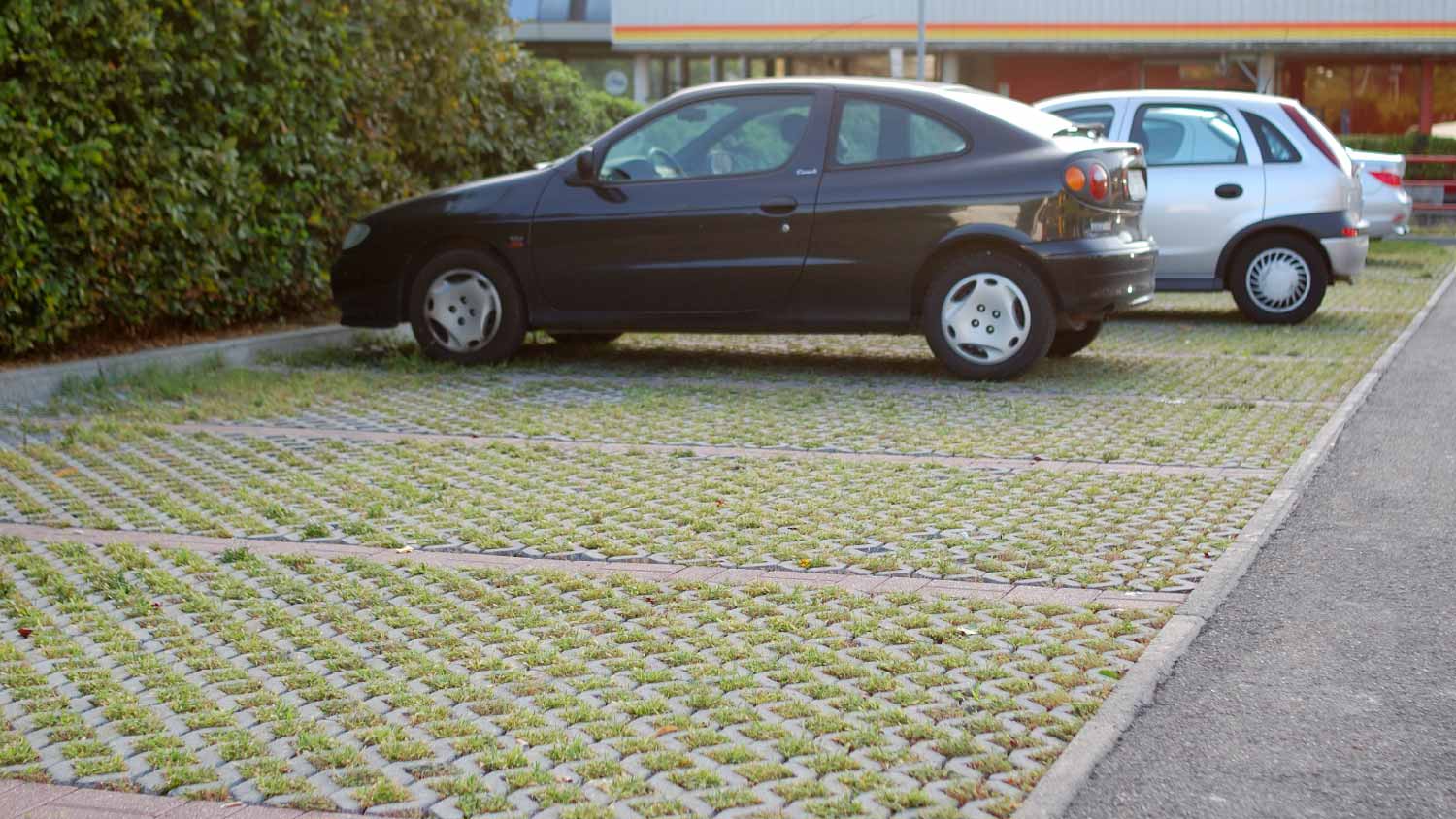
Permeable paving is a good option for a lot of reasons. It can help prevent flooding, keeps harmful chemicals from polluting our water, and can divert water away from your home’s foundation. Plus, it can add a rustic aesthetic to your outdoor area, might prevent pests who breed in water, and may even qualify for tax rebates.

Generally speaking, tiles are for indoor use, while pavers are for outdoor use. The main difference between travertine tiles and pavers is their thickness. Tiles are around 1/2 inch thick, and pavers are 1 1/4 inches to 2 inches thick.

Pavers are more rugged and can handle different weather. The extra thickness on pavers also makes them ideal for high-traffic areas.

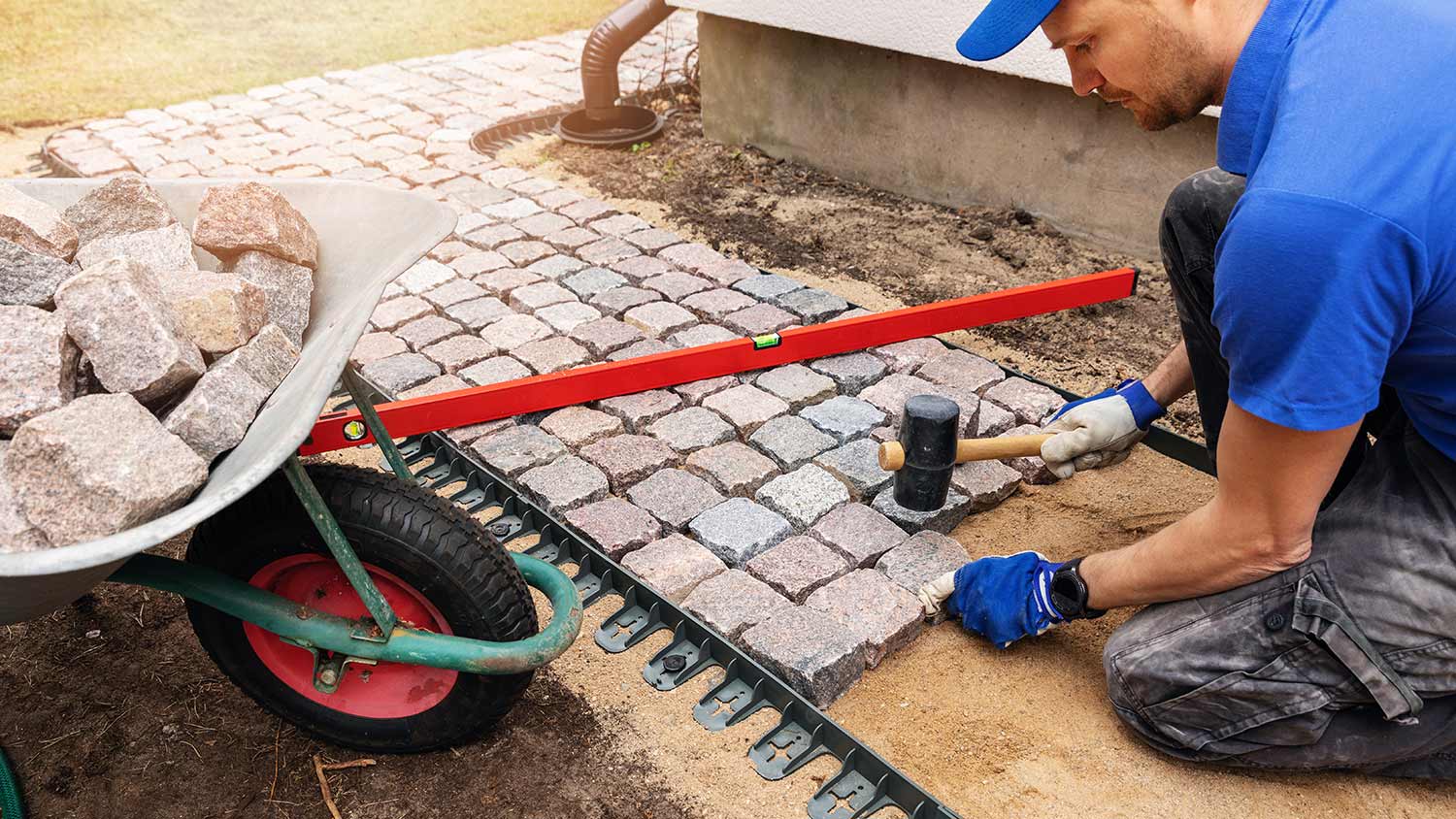
The most common causes of sunken pavers are poor base preparation and insufficient compaction. The problem could also be how your pavers were installed. If the soil beneath your patio or walkway wasn't compacted, it will pull pavers down as it settles. Additionally, using bare soil instead of making a paver bed with compacted gravel and sand can cause sinking over time. To fix sunken pavers, consider recompacting the base and addressing any drainage or erosion issues in the area.

Asphalt and tarmac are not the same thing. Traditional tarmac, short for tarmacadam, uses tar as a binder to hold crushed stone together. Asphalt uses bitumen—a byproduct of crude oil—to bind aggregate. Though tarmac was once a go-to for roads, asphalt has become the modern standard. And these days, most surfaces referred to as “tarmac” are actually asphalt. So, while the names may overlap, the key distinction lies in the binder—tar for tarmac and bitumen for asphalt.

The Taos, MO homeowners’ guide to paving services

From average costs to expert advice, get all the answers you need to get your job done.