






Top-rated lead testing and removal specialists.

Get matched with top lead testing and removal specialists in Washington, MO

Enter your zip and get matched with up to 5 pros

Need a pro for your lead testing and removal project in Washington, MO?

Select your specific project to find the pro for you.

Find Lead testing and removal specialists in Washington

Avatar for Quacker's Waterproofing & Basement Repair, LLC
Quacker's Waterproofing & Basement Repair, LLC
4.7(
167
)
Toxic Lead - Testing

Serving Washington, MO and surrounding areas

Approved

In business since 2001

Free estimates

Warranties offered

"Quacker's made the entire process incredibly easy. From beginning to end, they were super informative, kind, quick to get the job done and reasonably priced. Thank you so much!"
Additional Photos
Additional Photos
Additional Photos
Additional Photos
Additional Photos

+1

14 neighbors recently requested a quote
Recommended by97%of homeowners

Avatar for Stanley's Home Improvement
Stanley's Home Improvement
3.3(
12
)
Toxic Lead - AbatementToxic Lead - Testing

Serving Washington, MO and surrounding areas

Free estimates

Emergency services offered

"It was apparent they were very skilled. They quickly dropped the huge limbs without a scratch on the house, fence or sheds surrounding the tree. They arrived on time and cleaned the area to my satisfaction before leaving. And they were competetively priced! I can't say enough good things about this company."
Additional Photos
Additional Photos
Additional Photos
Additional Photos
Additional Photos

+8

Recommended by77%of homeowners
Lead Testing and Removal questions, answered by experts

Government regulations such as the EPA and OSHA govern lead removal procedures to ensure health and environmental safety during and after abatement.

No, you can’t place hazardous waste in a dumpster unless you specifically ordered a dumpster for hazardous waste removal. If the dumpster company finds hazardous waste that it didn’t approve for dumping, the company will return the waste to you, and you’ll likely face a fine for illegal dumping.

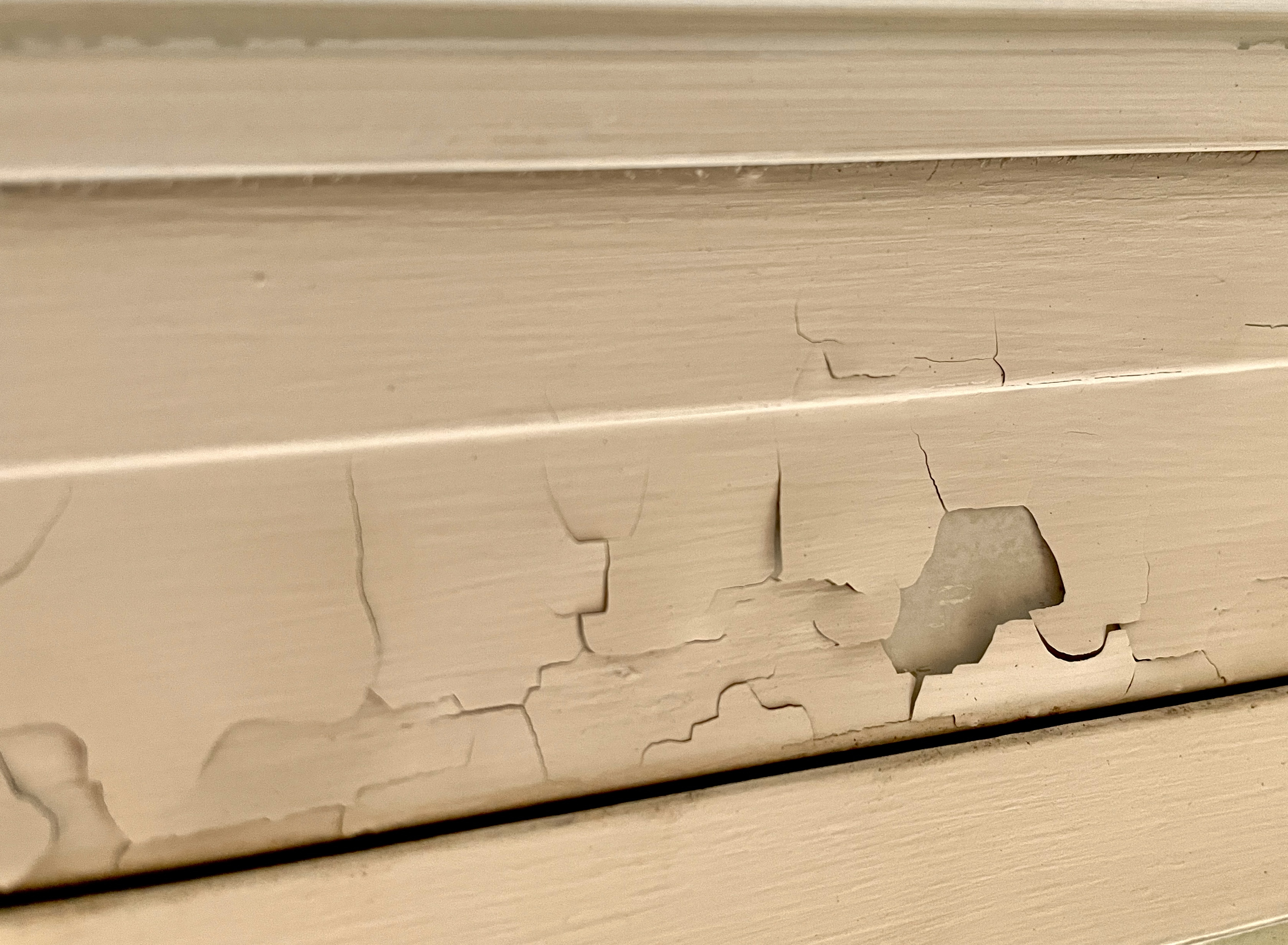
Properties should be tested for lead every 2-3 years, especially if they are older, have undergone renovations, or show deterioration of paint or interior finishes.

Structural problems with the foundation or roof, water damage, and significant plumbing or electrical issues are all considered major red flags in a home inspection. Of these, a structural problem related to the foundation is often the most severe. Foundation repairs are typically the most expensive and intrusive to carry out, averaging around $5,000 but sometimes reaching up to $16,000. Because these problems can pose safety risks and be costly to fix, you should ask your inspector detailed questions about any identified issues. You will need to carefully consider how major problems affect what you’re willing to pay for the home, or if you want to proceed with the sale at all.

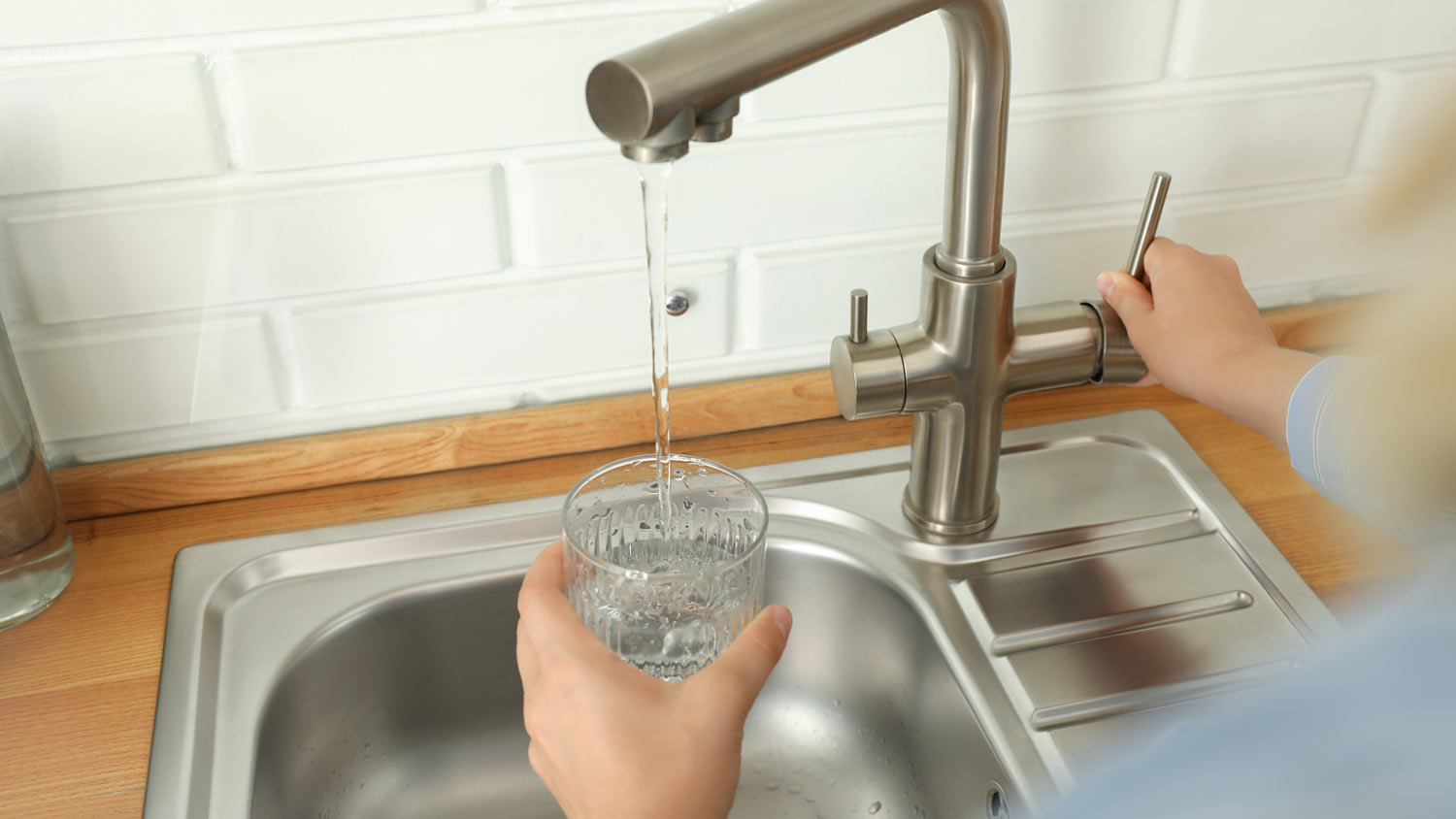
How you test for lead in your water depends on the source of your home's water supply. If you have municipal water, your local water system may offer to test the water for free or may connect you to a lab that will perform the testing.

If you have a private well that provides drinking water, you are responsible for testing it for lead. Look for a lab that is accredited by your state's Department of Environmental Protection to perform the test.

The Washington, MO homeowners’ guide to lead testing and removal services

From average costs to expert advice, get all the answers you need to get your job done.