



Top-rated energy efficiency auditors.

Best energy efficiency auditors near Union, MO

Enter your zip and get matched with up to 5 pros

Need a pro for your energy efficiency auditing project in Union, MO?

Select your specific project to find the pro for you.

Top-Rated Energy efficiency auditors in Union - Updated Nov 2026

Avatar for Foam Engineers
Foam Engineers
4.8(
229
)
Home Energy Audit

Serving Union, MO and surrounding areas

In business since 1988

Free estimates

Credit card accepted

"Fantastic experience with Paul, Mindy and their team when they helped us insulate the attic spaces surrounding and above our 1.5 story house. We have immediately seen the benefit from the insulation through our energy consumption, reducing the run-time of our unit by ~4 hours a day on like-weather days. This team will take care of your exact needs by tailoring their solutions to your specific situation and they don't cut any corners in ensuring your getting the value deserved!"
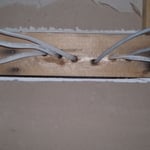
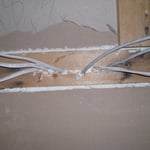
Top Plates/ Wiring
Top Plate / wiring
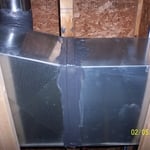
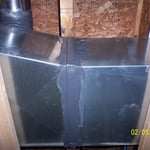
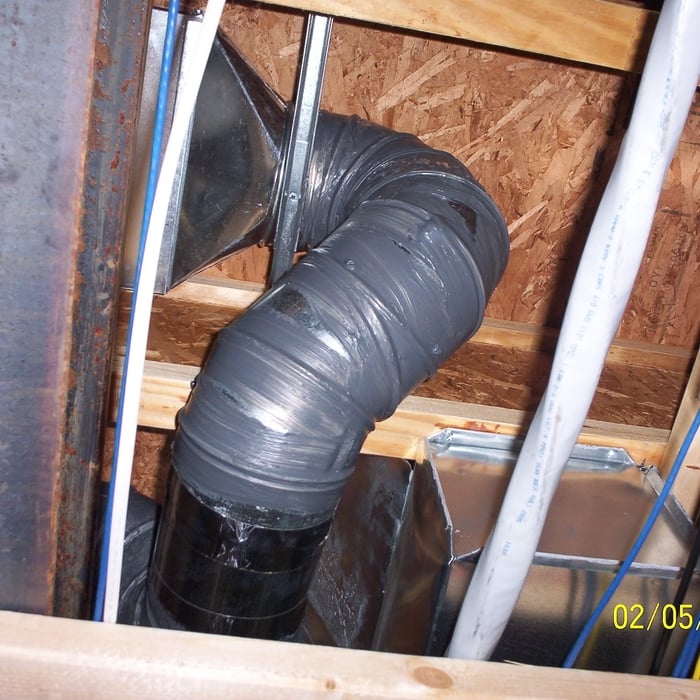
Sealed Duct Work
Sealed Duct Work
Sealed Duct Work

+17

Response time9 hrs
Recommended by98%of homeowners

Tri State Solar Power, LLC
New to Angi
Home Energy Audit

Serving Union, MO and surrounding areas

In business since 2019

Free estimates

We take great pride our experience, expertise, quality, and customer service that we provide to meet the consumers' needs. It is our mission to provide excellent workmanship, and complete customer satisfaction from start to completion of a project. order to understand the needs, and expectations of our customers, we take great care to work, and communicate with every customer a professional manner. Our reputation is based on service, safety, and quality, regardless of how large or small the job.

Avatar for Mid MO Inspectors
Mid MO Inspectors
0.0(
7
)
Energy Audit - For Business

Serving Union, MO and surrounding areas

In business since 2005

Free estimates

Mid MO Inspectors will provide you or your business with a full service approach to all your inspection needs. Please feel confident in contacting Mid MO Inspectors for your next inspection.

 3 story large home
 Ranch Style
Home Inspections
Home Inspections
Home Inspections

+5

Recommended by100%of homeowners

Energy Efficiency Auditing FAQs, answered by experts

To find a reputable home energy auditor, start by researching local companies that offer the service and check their reviews, methods, and certifications. The most reputable professionals are often Home Energy Professional (HEP)-certified by the Building Performance Institute (BPI). You can also consult the Department of Energy’s certified list of energy auditors or use a state licensing tool to review local guidelines and ensure you are hiring a certified professional for your area.

Blower door tests are measured in a few different ways, but the most popular are air changes per hour (ACH) and cubic feet of air (CFM) moving through the house per hour. A good ACH score is less than 2ACH, but 1ACH is better. This means the house experiences a total air change within 60 minutes (for 1ACH). For 2ACH, there’s a complete change every 30 minutes, and so on. CFM scores are similar in that a lower score means less air change, and therefore less leakage.

While some aspects of an appraisal, such as comparable properties nearby, are out of your control, there are several steps you can take to potentially increase your home's value. Make any necessary repairs and upgrades before the appraiser's visit, as they can only value what is currently part of the home, not its potential. Examples include renovating older areas, updating landscaping to boost curb appeal, and staging your home. You can also provide the appraiser with the cost of recent upgrades, which may increase your home's value by about 50% or more of what you paid for those improvements.

Audits typically take 2-4 hours, depending on the property size and energy systems.

To determine the right size generator for your house, you should calculate the total wattage of the appliances and devices you want to power during an outage. List all essential items, note their start-up wattages, and add them together.

Here are some typical wattage requirements for common appliances:

  • Refrigerator: 600 watts

  • Large dehumidifier: 700 watts

  • Large window air conditioner: 1,400 watts

  • Water heater: 3,000 to 4,500 watts

  • Electric furnace: 5,000 to 25,000 watts

A 7,500-watt generator might be sufficient for essentials like a refrigerator, freezer, well pump, and lighting circuits. However, for high-demand items like a water heater or furnace, a whole-home generator is a better choice. A portable generator may be enough if you only need to power a few critical items.

While home square footage can offer a rough estimate, it is not always a reliable indicator. For reference, here are some typical generator sizes based on square footage:

  • 1,000 sq ft: 6–9 kW

  • 1,500 sq ft: 7–10 kW

  • 2,000 sq ft: 10–14 kW

  • 2,500 sq ft: 12–16 kW

  • 3,000 sq ft: 16–20 kW+

For the most accurate sizing, consult a professional who can calculate your home's peak and average power consumption and recommend the optimal generator.

The Union, MO homeowners’ guide to energy efficiency auditing services

From average costs to expert advice, get all the answers you need to get your job done.