





Top-rated septic tank pros.

Get matched with top septic tank pros in Steele, MO

Enter your zip and get matched with up to 5 pros

Need a pro for your septic tank service project in Steele, MO?

Select your specific project to find the pro for you.

Find Septic tank pros in Steele

Jamison Plumbing & Home Services LLC
4.8(
13
)
Septic System - Install or ReplaceSeptic System - Install or Replace - For BusinessSeptic System - Repair+3 more

Serving Steele, MO and surrounding areas

In business since 1997

Free estimates

Emergency services offered

"We bought a house recently. The inspection report called for installation of an expansion tank and lengthened drip leg on the HW heater. Jamison Plumbing had installed the new HW tank several months before for the original home owner. Jason called the City of Liberty to determine the exact code requirements. He called back and agreed to the additional work at no charge. He was able to make the changes in a timely manner. His crew called to say they would be later than planned because of an unexpected delay at the preceding job site. We appreciated his willingness to finish the installation according to code and to cover the additional materials and time. It was a great way to be welcomed into a new community.
"
Recommended by92%of homeowners

Mullins Plumbing
New to Angi
Septic System - Repair

Serving Steele, MO and surrounding areas

In business since 2019

Free estimates

Credit card accepted

Mullins Plumbing is committed to excellence in every aspect of our business. We uphold a standard of integrity bound by fairness, honesty, and personal responsibility. Our distinction is the quality of service we bring to our customers. Accurate knowledge of our trade combined with ability is what makes us true professionals. Above all, we are watchful of our customers' interests and make their concerns the basis of our business.\n

Septic Tanks questions, answered by experts

How deep your septic system needs to be into the ground depends on several factors. In extremely cold environments, the tank needs to rest below the maximum frost line, which can be up to six or eight feet deep. The standard burying depth for most systems is between a few inches and four feet below ground level. Depth can also depend on the slope of the landscaping and other property variables. 

Yes, septic tank companies must be licensed in most states and municipalities to perform services like installation, alteration, repair, and pumping. Since laws vary by location, it's crucial to check local requirements.

Hiring an unlicensed professional can lead to poor work, code violations, and significant fines. Always verify that your chosen company is properly licensed and fully insured to avoid liability. You can use tools like Angi’s contractor licensing search to check a pro's credentials.

It's also helpful to understand the difference between licensing and certification. A license is a legal requirement to operate, while certifications are voluntary. Credentials like the “Angi Approved” badge indicate that a business meets extra standards, such as passing a background check and maintaining a high rating.

The bacteria already present in your septic system should be enough to break down solids in a properly maintained septic tank. However, if you’re in a DIY mood, you can try adding (well-mashed) rotten tomatoes to help the good bacteria fulfill their duty. Just make sure you give them a couple hours to work after flushing them down.

The average three to four-bedroom home typically uses a well pump rated for 8 to 12 gallons per minute (GPM). To find the most accurate size for your specific needs, a common rule of thumb is to count the number of water fixtures and appliances in your home and aim for that number in GPM. This calculation allows for about one gallon of water per minute per fixture. Because estimating the correct size can be challenging, it's best to have a professional technician make the final determination. A professional can ensure your pump provides sufficient water for your home, especially during peak usage hours.

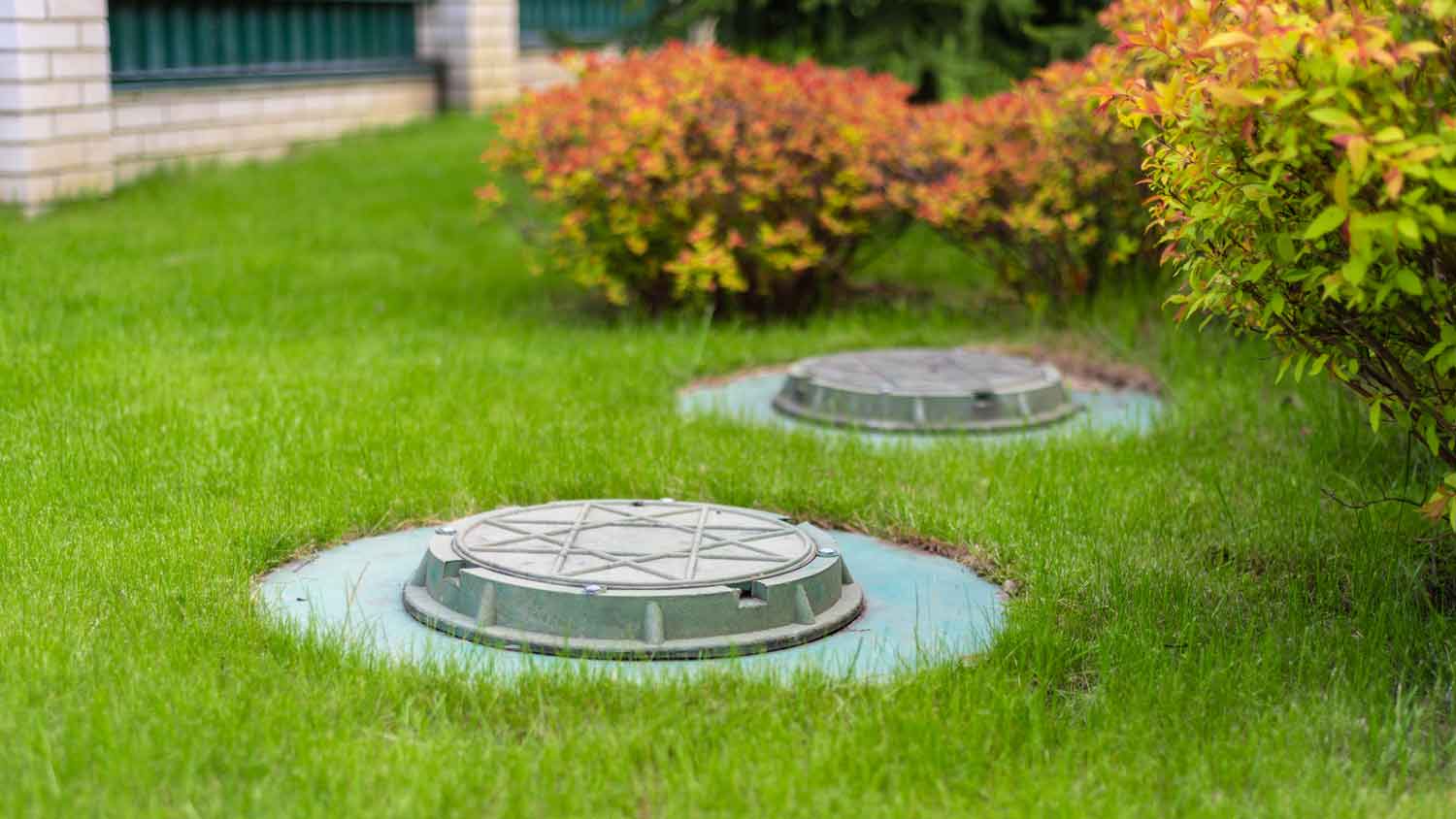
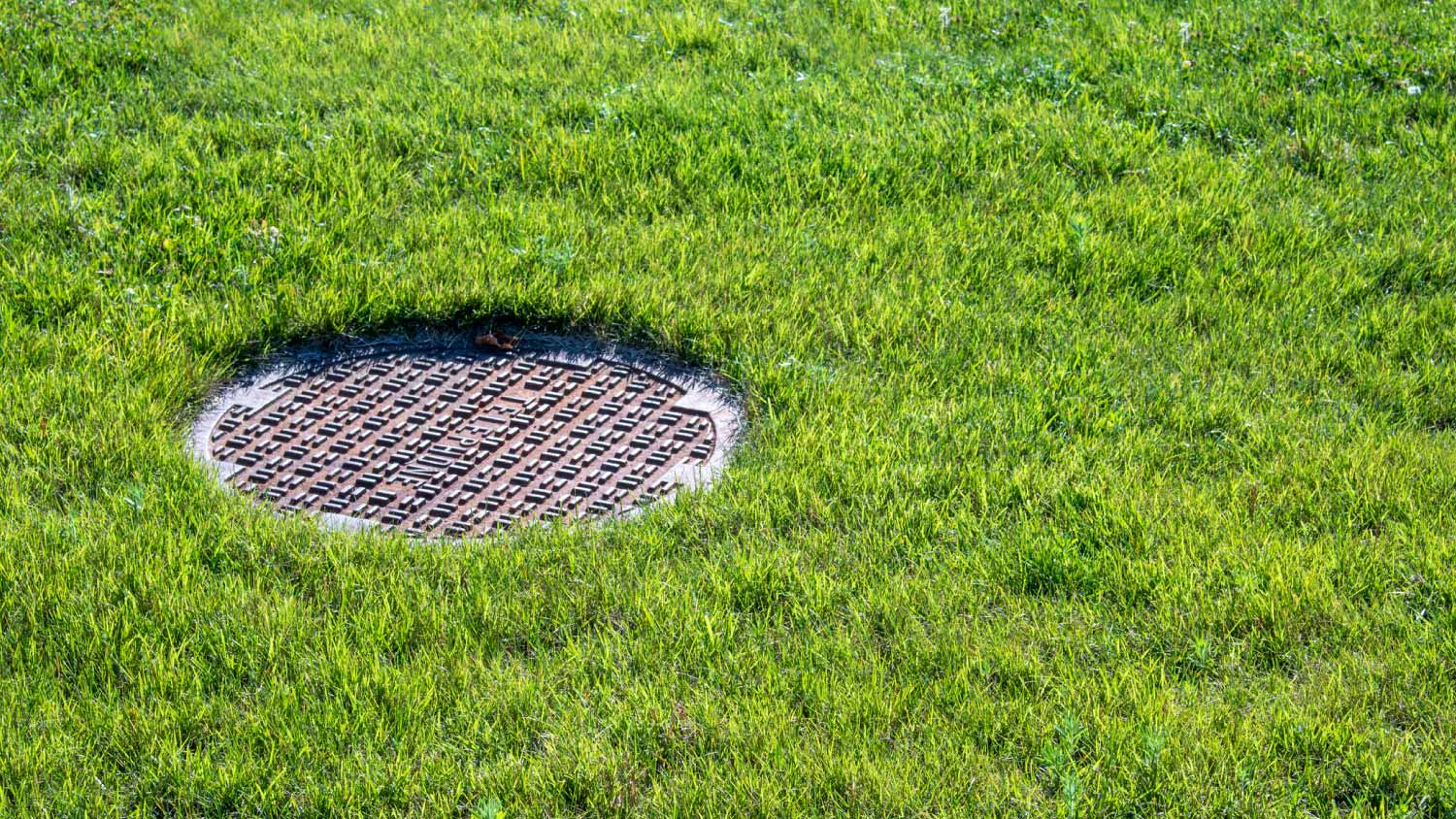
A septic tank riser should extend to just above the ground level or slightly above it. The exact height can vary depending on local regulations and personal preferences, but a common guideline is to have the riser's top flush with or no more than a few inches above the surrounding ground. This height allows for easy access to the septic tank without creating a tripping hazard or obstructing mowing and landscaping activities. It's essential to ensure that the riser lid is easily visible and accessible for regular maintenance and inspection while being mindful of safety and aesthetics.

The Steele, MO homeowners’ guide to septic tank services

From average costs to expert advice, get all the answers you need to get your job done.