




Top-rated lead testing and removal specialists.

Get matched with top lead testing and removal specialists in Rock Hill, MO

Enter your zip and get matched with up to 5 pros

Need a pro for your lead testing and removal project in Rock Hill, MO?

Select your specific project to find the pro for you.

Find Lead testing and removal specialists in Rock Hill

Avatar for Quacker's Waterproofing & Basement Repair, LLC
Quacker's Waterproofing & Basement Repair, LLC
4.7(
167
)
Toxic Lead - Testing

Serving Rock Hill, MO and surrounding areas

Approved

In business since 2001

Free estimates

Warranties offered

"Quacker's made the entire process incredibly easy. From beginning to end, they were super informative, kind, quick to get the job done and reasonably priced. Thank you so much!"
Additional Photos
Additional Photos
Additional Photos
Additional Photos
Additional Photos

+1

13 neighbors recently requested a quote
Recommended by97%of homeowners
Avatar for Proper Environmental
Proper Environmental
5.0(
6
)
Toxic Lead - AbatementToxic Lead - Testing

Serving Rock Hill, MO and surrounding areas

Free estimates

Credit card accepted

"They responded quickly and get me on the schedule fast. I appreciated how they kept me in the loop at all times and the system looks fantastic. Proper helped give me peace of mind and I’m really happy with the service!"
Additional Photos
Additional Photos
Additional Photos
Additional Photos
Additional Photos

+3

Recommended by100%of homeowners

Showing 1-10 of 11
Lead Testing and Removal questions, answered by experts

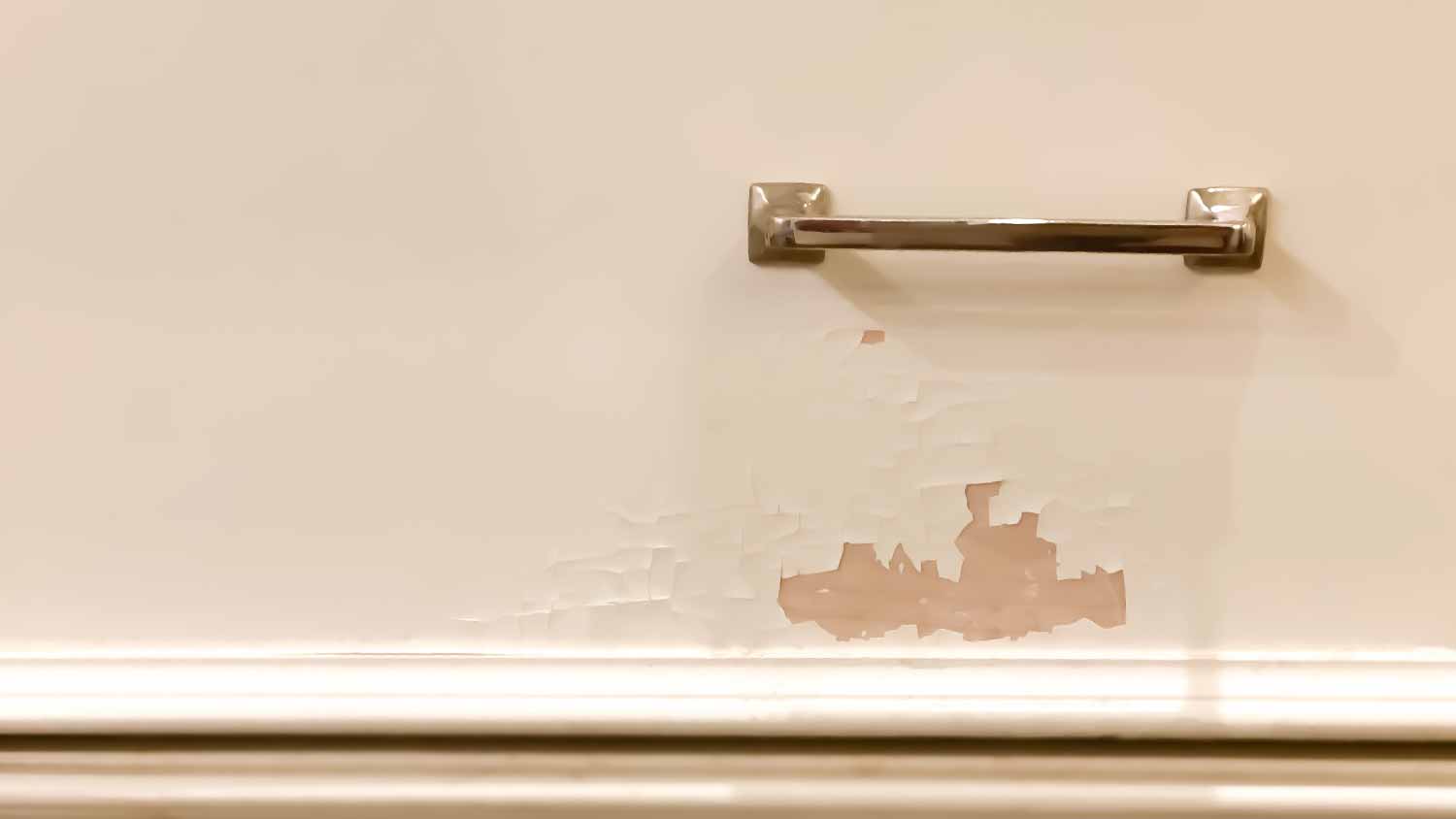
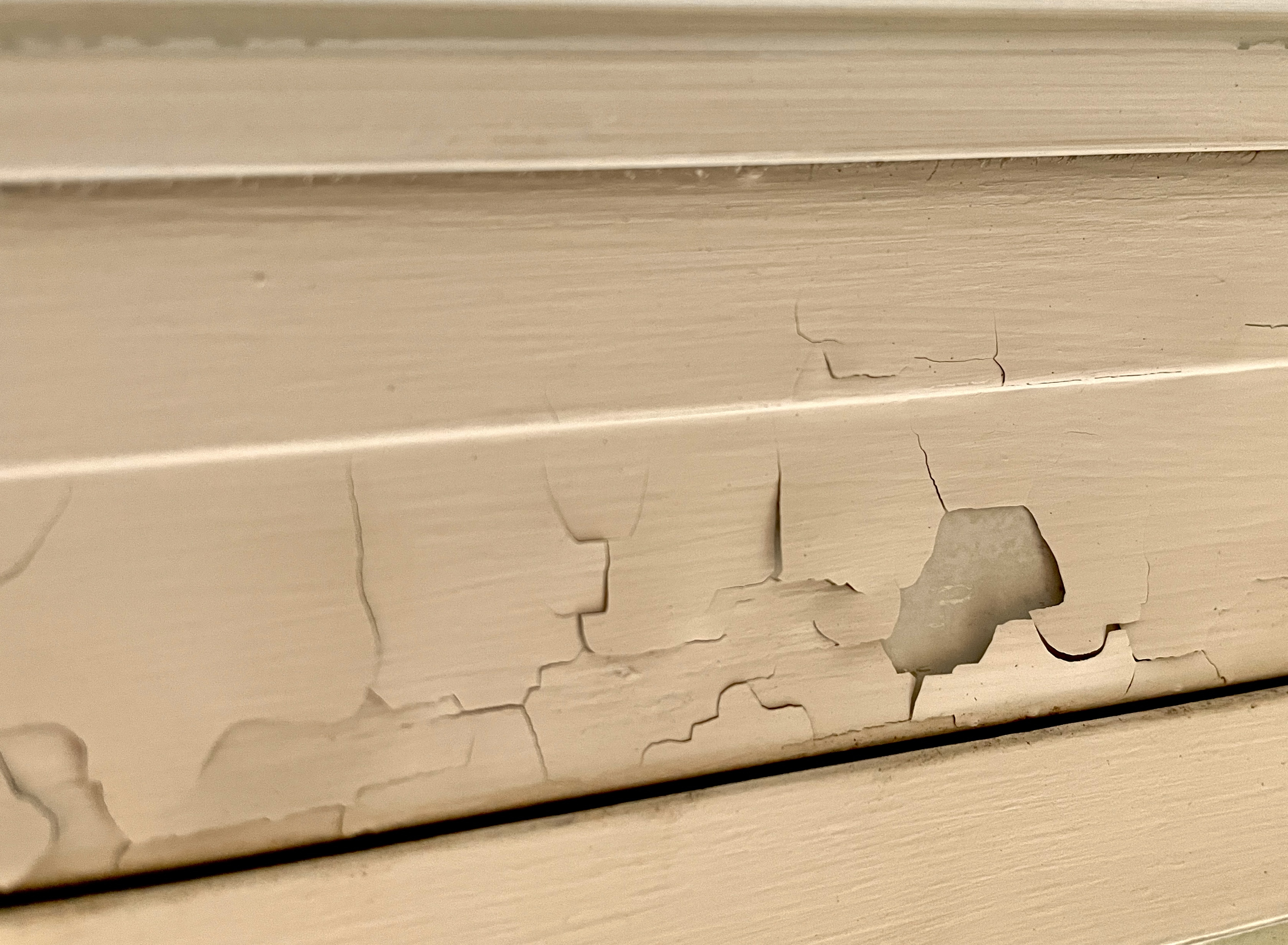
Properties should be tested for lead every 2-3 years, especially if they are older, have undergone renovations, or show deterioration of paint or interior finishes.

Government regulations such as the EPA and OSHA govern lead removal procedures to ensure health and environmental safety during and after abatement.

Professionals use specialized equipment and techniques to detect asbestos, radon, and VOCs.

Iron sediments from rusty pipes are not likely to cause health problems. While a glass of yellow-hued water is off-putting, it is generally safe to drink yellow water in the short term. But you certainly want to address this problem. In the meantime, switching to bottled water until the yellow water issue is resolved is a good idea. 

“Testing” can start with your senses: Assessing your water’s appearance, taste, and smell can all be good first steps. The best way to know for sure what’s going on with your water is to use a well water testing kit, which can tell you about the specific levels of bacteria, dissolved solids, and hardness of your water with precision. Have a pro test your well water at least once per year.

The Rock Hill, MO homeowners’ guide to lead testing and removal services

From average costs to expert advice, get all the answers you need to get your job done.