Top-rated lead testing and removal specialists.

Best lead testing and removal specialists near Hanley Hills, MO

Enter your zip and get matched with up to 5 pros

Need a pro for your lead testing and removal project in Hanley Hills, MO?

Select your specific project to find the pro for you.

Top-Rated Lead testing and removal specialists in Hanley Hills - Updated Nov 2026

Avatar for Loving Mold Removal
Loving Mold Removal
4.6(
26
)
Toxic Lead - AbatementToxic Lead - Testing

Serving Hanley Hills, MO and surrounding areas

In business since 2019

Free estimates

Emergency services offered

"Ken came out same day to remove the asbestos. He was quick and efficient with his work. He charged a great price. This is the second time I have used K&E Mold Removal and I will continue to use them in the future."
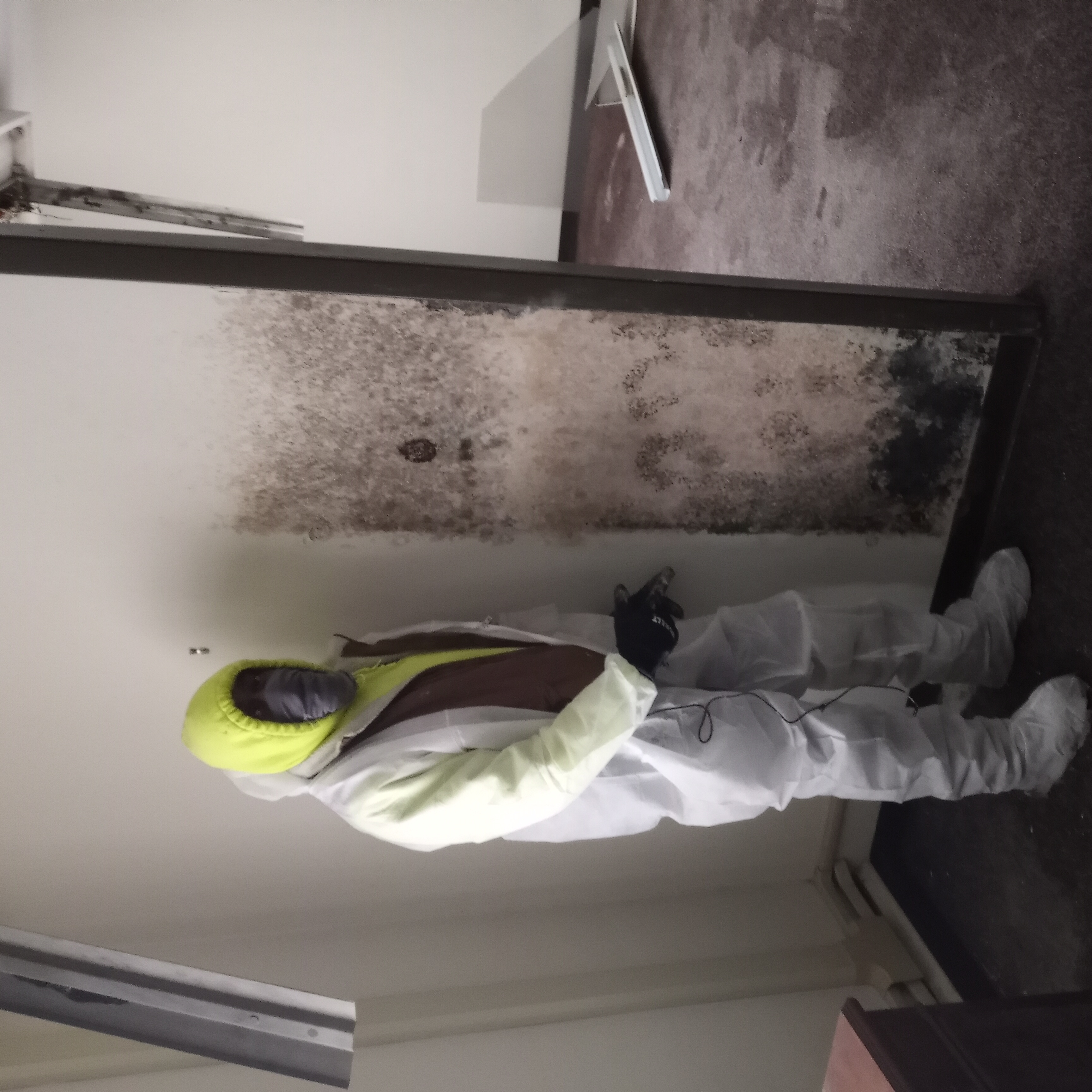
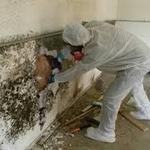
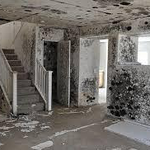
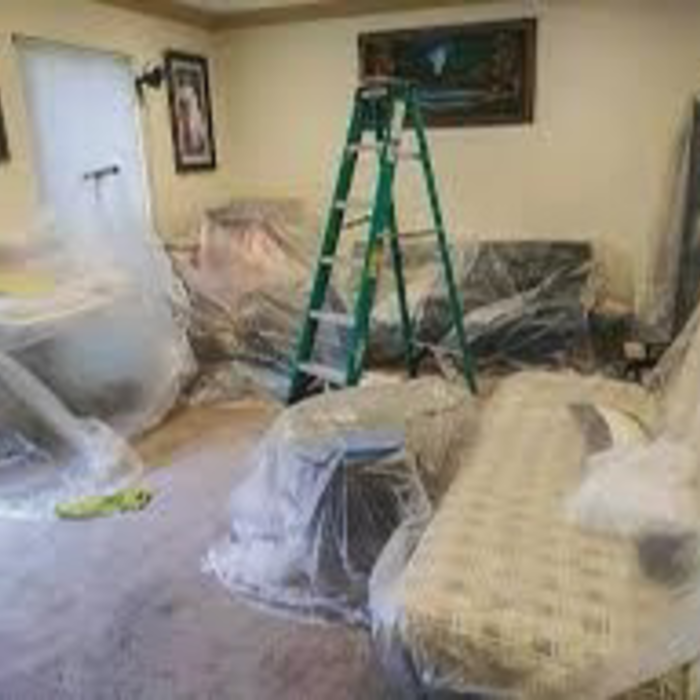
Mold Testing and Remediation Project
Additional Photos
Additional Photos
Additional Photos
Additional Photos

+43

Recommended by87%of homeowners
Sherlock's Environmental Services, LLC
5.0(
4
)
Toxic Lead - AbatementToxic Lead - Testing

Serving Hanley Hills, MO and surrounding areas

In business since 1995

Free estimates

Credit card accepted

"We contacted Sherlock's because my daughter tested high for lead.  We rushed to find a company to help us identify where the contamination was coming from.  I found Sherlock through google and had the best first impression of them than from the other companies I called.

Sally explained the process of lead testing our home clearly.  They performed the lead test less than 2 days from when I called them.  Sally and Chuck came to our home together and tested inside and out for 2 hours.  In the end, we found no source of lead contamination at our home (meaning it must be coming from an outside source).  They provided a thorough report and the price was reasonable.  They are also easy to get a hold of.

Since having them perform the testing, I have heard other positive reviews of this company.  And I will recommend them to anyone who is unfortunate enough to have a poor blood lead score.

I will also never buy a new home without them inspecting it first."
Recommended by100%of homeowners
Lead Testing and Removal FAQs, answered by experts

Lead toxicity comes from inhaling lead or consuming it. Before the 1980s, when the government banned lead from consumer use, it could be found in paint, plumbing, pipes, ceramics, and even gasoline. Lead paint is toxic for the same reason lead itself is toxic, which is why lead poisoning from paint presents the same as lead poisoning from water or food sources, with a slight increase in respiratory symptoms vs. digestive symptoms. Lead paint is most dangerous when it’s old and peeling, cracking, or otherwise disturbed. This increases the concentration in the air and, therefore, in breathable air. 

Lead removal is crucial in older homes to eliminate risks of lead poisoning, which can severely affect health, particularly in children, by impacting development and cognitive functions.

Determining if your water main contains lead involves a few steps. First, check the age of your property, as homes built before the 1980s might have lead pipes. Contact your water utility company for information on your service line material. Then, you can hire a professional plumber to conduct an inspection or use a lead testing kit to analyze water from the main line.

According to the Environmental Protection Agency (EPA), hazardous waste is generally classified into four main categories:

1. Characteristic Wastes: These exhibit at least one of four hazardous traits: ignitability (flammable, like gasoline), corrosivity (can rust or decompose materials, like car batteries), reactivity (unstable and can explode, like aerosol cans), or toxicity (harmful when ingested, like lead-based paint).

2. Listed Wastes: These are specific wastes from manufacturing and industrial processes that the EPA has officially designated as hazardous. They include byproducts from processes that use solvents, pesticides, and other chemicals.

3. Universal Wastes: These are commonly generated hazardous items that are subject to streamlined regulations. Examples include batteries, pesticides, mercury-containing equipment (e.g., bulbs), and some lamps.

4. Mixed Wastes: This category includes waste that contains both hazardous and radioactive components, making it subject to regulation by both the EPA and the Nuclear Regulatory Commission.


Exterior paint contains a higher level of VOCs, which can be dangerous if you’re exposed to it for a long period of time. The good news is that paint’s toxicity reduces significantly once fully dried and cured. Do not keep open exterior paint cans in your home, basement, or garage, exposing your household to harmful chemicals over time.

The Hanley Hills, MO homeowners’ guide to lead testing and removal services

From average costs to expert advice, get all the answers you need to get your job done.