





Top-rated lead testing and removal specialists.

Get matched with top lead testing and removal specialists in Lakeshire, MO

Enter your zip and get matched with up to 5 pros

Need a pro for your lead testing and removal project in Lakeshire, MO?

Select your specific project to find the pro for you.

Find Lead testing and removal specialists in Lakeshire

Avatar for Quacker's Waterproofing & Basement Repair, LLC
Quacker's Waterproofing & Basement Repair, LLC
4.7(
167
)

Serving Lakeshire, MO and surrounding areas

Approved

In business since 2001

Free estimates

Warranties offered

"Quacker's made the entire process incredibly easy. From beginning to end, they were super informative, kind, quick to get the job done and reasonably priced. Thank you so much!"
Additional Photos
Additional Photos
Additional Photos
Additional Photos
Additional Photos

+1

13 neighbors recently requested a quote
Recommended by97%of homeowners
Avatar for Loving Mold Removal
Loving Mold Removal
4.6(
26
)

Serving Lakeshire, MO and surrounding areas

In business since 2019

Free estimates

Emergency services offered

"Ken came out same day to remove the asbestos. He was quick and efficient with his work. He charged a great price. This is the second time I have used K&E Mold Removal and I will continue to use them in the future."
Mold Testing and Remediation Project
Additional Photos
Additional Photos
Additional Photos
Additional Photos

+43

Recommended by87%of homeowners
Avatar for Proper Environmental
Proper Environmental
5.0(
6
)

Serving Lakeshire, MO and surrounding areas

Free estimates

Credit card accepted

"They responded quickly and get me on the schedule fast. I appreciated how they kept me in the loop at all times and the system looks fantastic. Proper helped give me peace of mind and I’m really happy with the service!"
Additional Photos
Additional Photos
Additional Photos
Additional Photos
Additional Photos

+3

Recommended by100%of homeowners
Showing 1-10 of 12
Lead Testing and Removal questions, answered by experts

While not all homes built before 1978 contain lead paint, enough do, so you’ll still want to test to be on the safe side. The federal government banned lead-based paint for homes in 1978, but your state may have banned lead before that time. Around 24% of homes built between 1960 and 1977 contained lead-based paint, while 87% of homes built before 1940 contained lead-based paint.

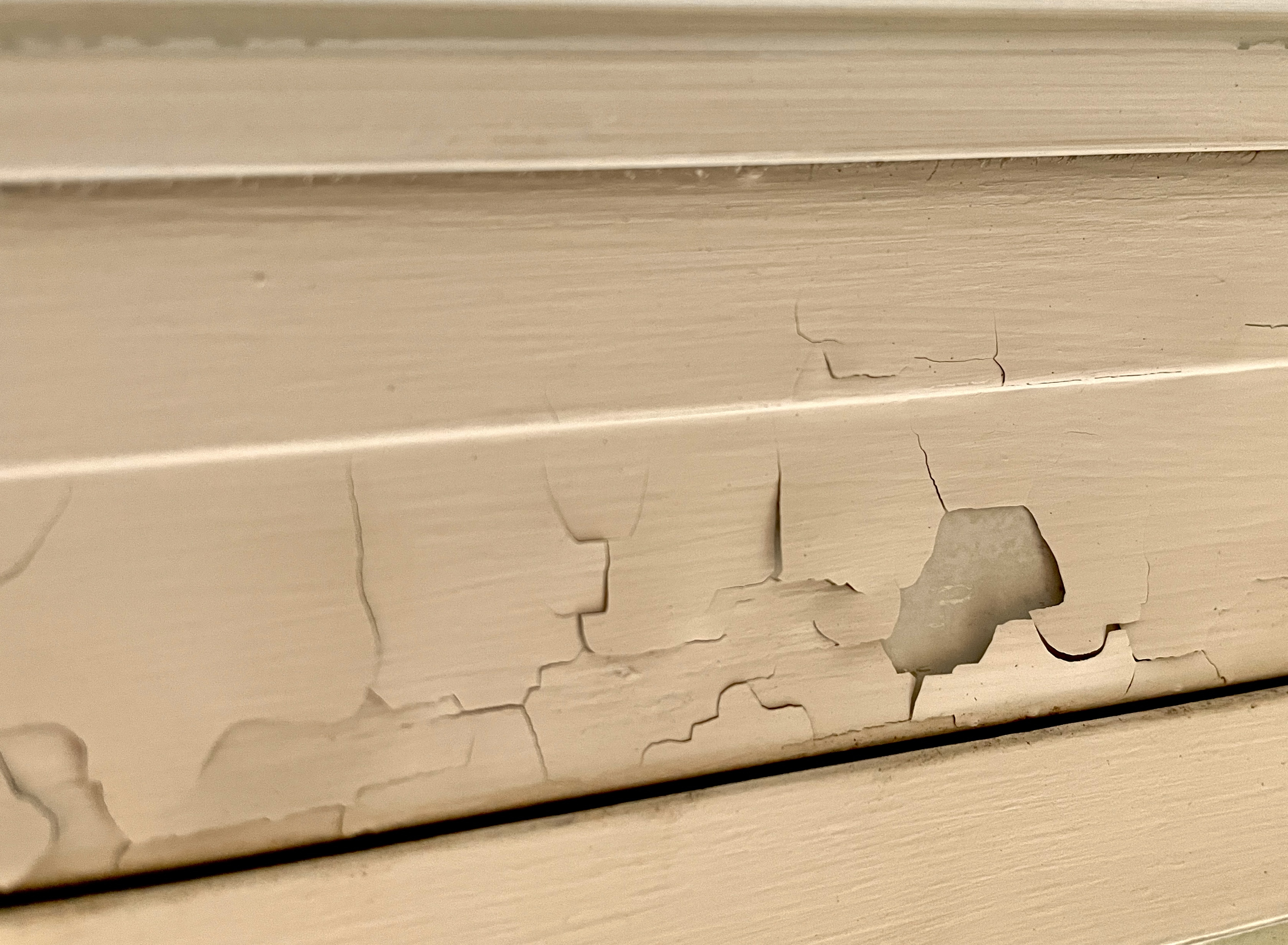
You do not have to remove lead paint if the surface is not chipping or peeling or if there are no pregnant people or children under the age of six who live in or regularly visit your home. Lead paint is a particular risk for young children whose brains and bodies are not fully developed. Experts strongly recommend that you call a pro to remove lead paint if it’s peeling or flaking, no matter who lives in the home. You can experience lead poisoning by breathing in or ingesting just a small amount of it.

Professional testing for lead paint costs about $300, ranging from about $250 to $700, depending on the square footage, accessibility, and location. However, testing for lead paint with a DIY home-testing kit costs about $25, but doesn’t guarantee accurate results. The U.S. Environmental Protection Agency (EPA) recommends using a lead test kit that complies with the Lead Renovation, Repair, and Painting (RRP) Rule, which has strict criteria for ensuring a more accurate reading.

Common home surfaces to test for lead include:

  • Walls

  • Windows

  • Doors

  • Molding and trim

  • Railings

According to the Environmental Protection Agency (EPA), hazardous waste is generally classified into four main categories:

1. Characteristic Wastes: These exhibit at least one of four hazardous traits: ignitability (flammable, like gasoline), corrosivity (can rust or decompose materials, like car batteries), reactivity (unstable and can explode, like aerosol cans), or toxicity (harmful when ingested, like lead-based paint).

2. Listed Wastes: These are specific wastes from manufacturing and industrial processes that the EPA has officially designated as hazardous. They include byproducts from processes that use solvents, pesticides, and other chemicals.

3. Universal Wastes: These are commonly generated hazardous items that are subject to streamlined regulations. Examples include batteries, pesticides, mercury-containing equipment (e.g., bulbs), and some lamps.

4. Mixed Wastes: This category includes waste that contains both hazardous and radioactive components, making it subject to regulation by both the EPA and the Nuclear Regulatory Commission.

No. Standard homeowners insurance does not cover any kind of lead remediation, focusing instead on sudden, unpreventable events like fires and theft. Many insurance companies will specifically exclude lead paint removal, since it tends to be an expensive and unavoidable project. The exception is if the lead surface is damaged during a covered event (like a flood) and homeowners insurance pays its replacement.

The Lakeshire, MO homeowners’ guide to lead testing and removal services

From average costs to expert advice, get all the answers you need to get your job done.