Get matched with top plaster repair specialists in Roach, MO

Roach homeowners rate plaster repair specialists in our network

4.4

(26 reviews)

Top-rated plaster repair specialists.

Need a pro for your plaster repair project in Roach, MO?

Select your specific project to find the pro for you.

Find Plaster repair specialists in Roach

Burnett Drywall
New to Angi

Serving Roach, MO and surrounding areas

In business since 2006

Free estimates

Emergency services offered

Burnett Drywall is committed to excellence in every aspect of our business. We uphold a standard of integrity bound by fairness, honesty, and personal responsibility. Our distinction is the quality of service we bring to our customers. Accurate knowledge of our trade combined with ability is what makes us true professionals. Above all, we are watchful of our customers' interests, and make their concerns the basis of our business.

Showing 1-10 of 21
Plaster Repair questions, answered by experts

Yes, you can install drywall over plaster, but there are important factors to consider. While it can create a smooth, flat surface, it is often not the best approach. Installing drywall over plaster will increase the wall's thickness, which can cause issues with existing window and door frames that may no longer fit. You might also need to adjust power outlets to keep them accessible. A better, though more expensive, option is to remove the old plaster and lath entirely before installing new drywall. Drywalling directly over plaster seals in the old material, and if any problems arise later, you will need to remove both layers down to the structural beams for repairs. Given the potential complications, this job is best handled by professionals.
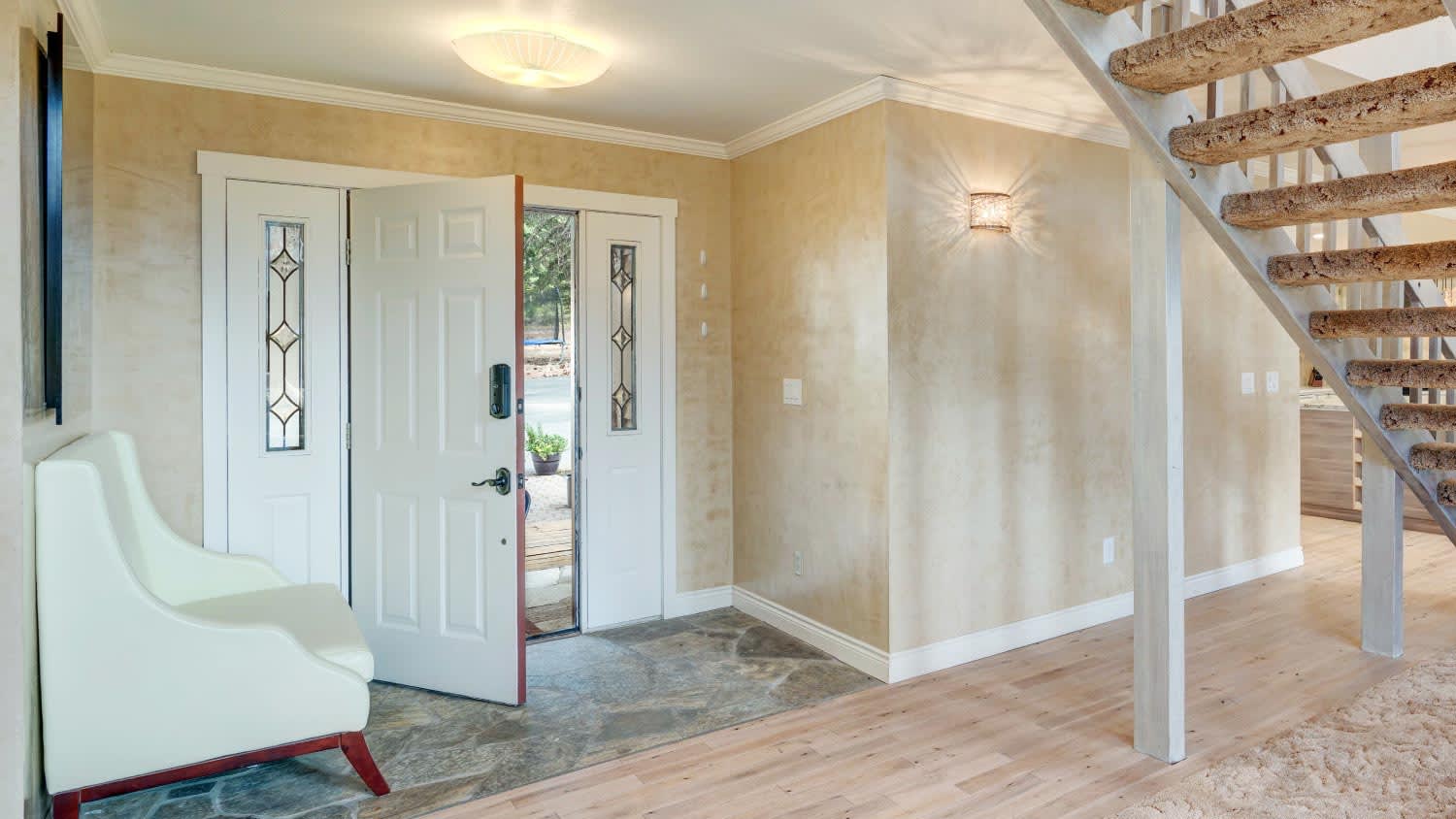
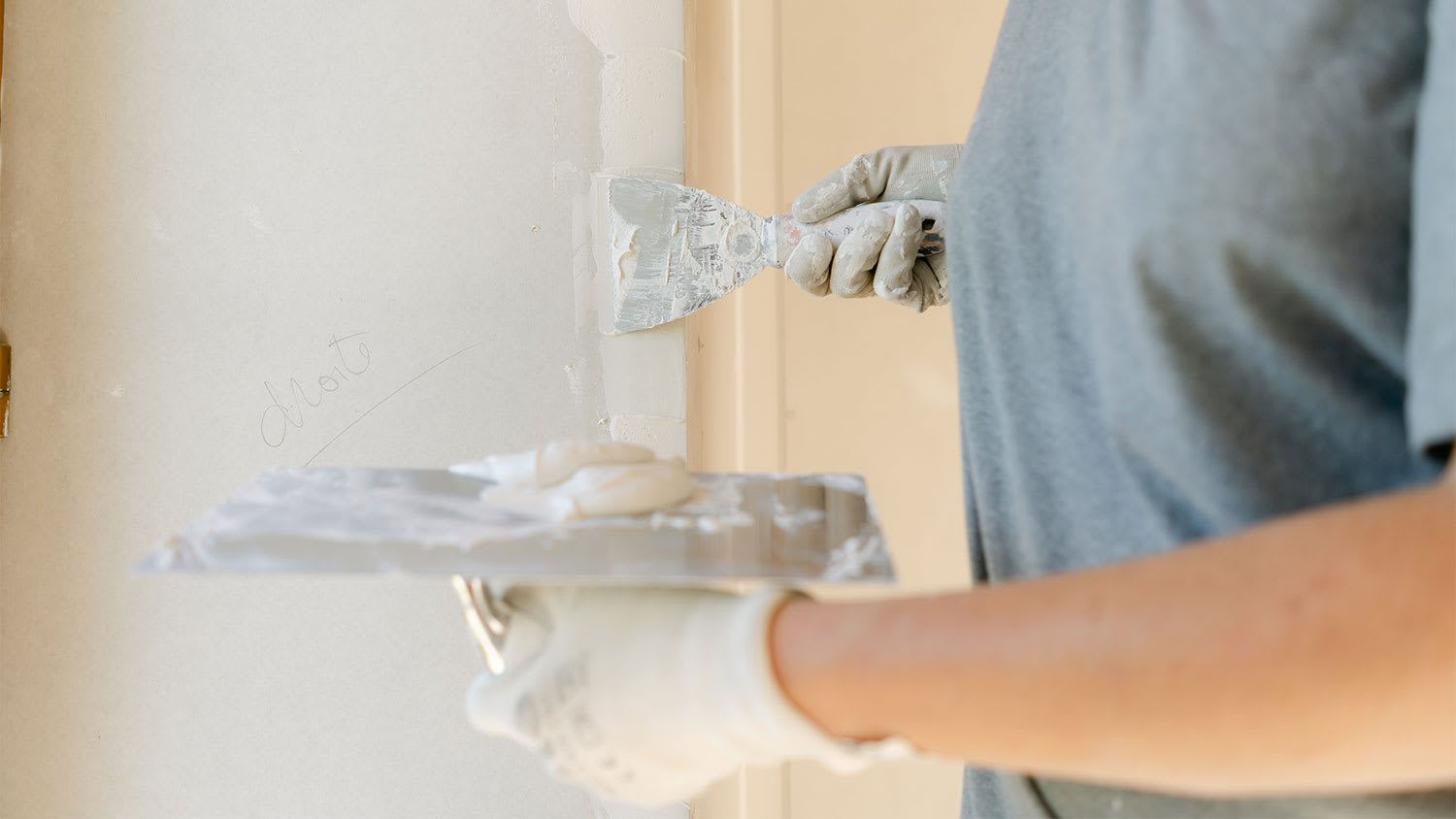
While it’s most common to sand plaster dry, it is possible to wet-sand plaster, too. Doing so can reduce the amount of plaster dust released into the air and make it easier to work in smaller, more delicate areas (such as around wall trim). However, some people find that wet sanding leads to more imperfections, which is why larger walls are more often dry sanded to ensure an even finish.

Costs depend on damage size, labor rates, and whether additional services like painting are required.

Although they have similar applications, spackle and joint compound are not the same. Their primary differences lie in their composition, consistency, and ideal use cases.

Spackle is composed of gypsum and binding agents, making it thicker than joint compound. It dries quickly and is easy to sand, which makes it ideal for small wall repair projects like filling nail holes or patching minor damage.

Joint compound, also known as drywall mud, consists of limestone and gypsum. It is primarily used for large-scale projects, such as taping and finishing the seams on newly installed drywall. It tends to shrink more than spackle and can be more difficult to spread.

While both products can be used to fill small depressions and cracks, spackle cannot replace joint compound for taping and mudding new drywall. Conversely, you can often use joint compound for small patching jobs typically done with spackle.

Wondering who to call for ceiling repair? While you can hire a handyperson to fix minor cracks, you’ll want to hire a drywall professional for larger issues. Depending on the cause of the crack, you may need to hire other contractors, such as a foundation contractor, mold remediation company, roofer, or plumber near you.

The Roach, MO homeowners’ guide to plaster repairs

From average costs to expert advice, get all the answers you need to get your job done.