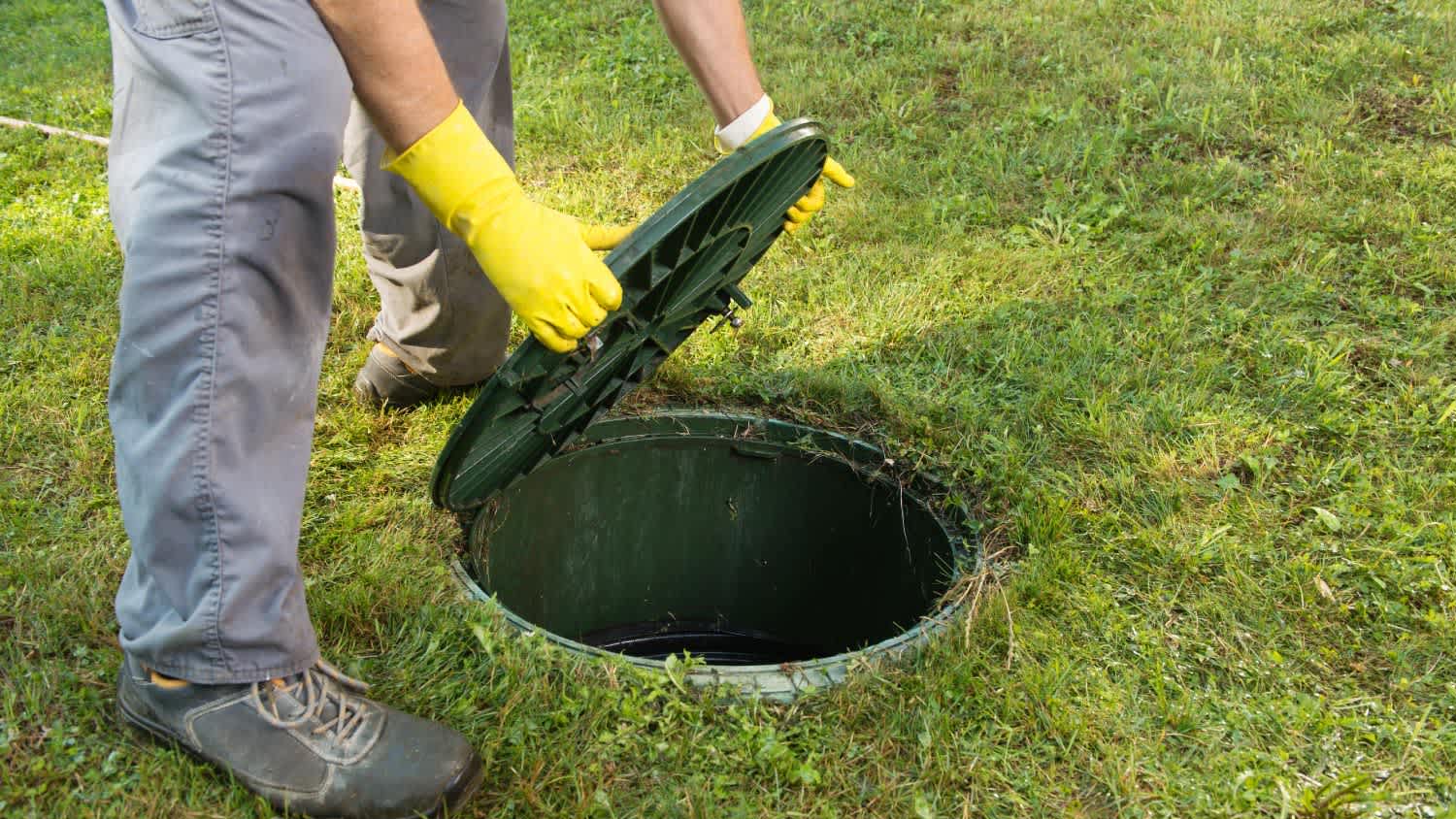




Top-rated percolation testing pros.

Get matched with top percolation testing pros in Polo, MO

Enter your zip and get matched with up to 5 pros

Need a pro for your percolation testing project in Polo, MO?

Select your specific project to find the pro for you.

TRUSTED BY POLO, MO HOMEOWNERS

  • Average homeowner rating star icon4.4
    Average homeowner rating
  • Verified reviews icon75
    Verified percolation testing services reviews

Find Percolation testing pros in Polo

No results for Percolation testing pro in

Try adjusting your search criteria.
Percolation Tests questions, answered by experts

Most manufacturers stopped putting asbestos in linoleum before 1980 due to public concerns about its toxicity. However, the Environmental Protection Agency (EPA) didn’t ban asbestos-containing products until 1989, and a comprehensive ban was not announced until 2024. This means that homes built after 1989 may still have asbestos in their flooring.

Unlike some home problems, such as water damage or pest infestations, asbestos can be very difficult to spot. Asbestos is a mineral in the form of microscopic fibers and was previously used in building materials for its bonding and fireproofing abilities. Insulation, roof shingles, ceiling tiles, floor tiles, pipe wrappings, soundproofing materials, and textured paint features like popcorn ceilings are common sources of asbestos, particularly in homes built before 1980.

Age is perhaps the biggest indicator of asbestos, as legislation passed in the 1970s labeled asbestos as dangerous and regulated its use in building materials. Signs of age in the form of wear and tear or material degradation are also indicators that asbestos fibers may be leaking into the air, but ultimately, it’s difficult to detect with the naked eye. If you have reason to suspect asbestos in your home, it’s best to hire a certified asbestos inspector.

Do not panic if you are exposed to asbestos. The illnesses associated with asbestos exposure are rare. If you are concerned about exposure, talk to your doctor, especially if you are having any respiratory symptoms, such as coughing or difficulty breathing. They may recommend imaging to get a view of the insides of your organs and determine if scarring or growths are present.

When asbestos fibers become airborne, they enter a person's respiratory system. These fibers scar and damage the lungs and often lead to serious cancers like mesothelioma. Like many dangers in the house, asbestos isn’t easy to see when it could be causing serious damage. The amount of time exposed, combined with the person’s tolerance for asbestos inhalation and the amount inhaled, will all contribute to health problems.

While it's possible to cover asbestos tile with carpet, it's not recommended. Encapsulating tile beneath carpet doesn't eliminate the health risks. Over time, the asbestos tiles could degrade, releasing fibers into the air and potentially contaminating the carpet. Disturbance during carpet installation or removal might also release fibers.

The Polo, MO homeowners’ guide to percolation testing services

From average costs to expert advice, get all the answers you need to get your job done.