








Top-rated tree service pros.

Get matched with top tree service pros in Phillipsburg, MO

Enter your zip and get matched with up to 5 pros

Need a pro for your tree service project in Phillipsburg, MO?

Select your specific project to find the pro for you.

TRUSTED BY PHILLIPSBURG, MO HOMEOWNERS

  • Average homeowner rating star icon4.9
    Average homeowner rating
  • Verified reviews icon34
    Verified tree services reviews

Find Tree service pros in Phillipsburg

AAA Lawn and Landscaping
5.0(
7
)

Serving Phillipsburg, MO and surrounding areas

Approved

In business since 2024

Free estimates

Customers say: True professional

"AAA was able to quickly handle an emergency situation with a large tree in my front yard. They arrived within minutes of being contacted and resolved the issue. Then they returned a few days later to complete the work that wasn't as urgent. They left my yard in great shape and picked up all of the chips, branches and twigs. Recommend."
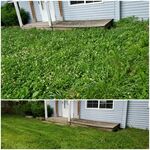
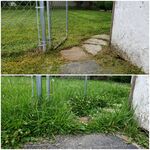
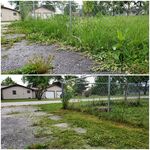
Additional Photos
Additional Photos
10 neighbors recently requested a quote

Recommended by57%of homeowners
Avatar for Witt Tree Service
Witt Tree Service
5.0(
2
)

Serving Phillipsburg, MO and surrounding areas

In business since 2018

Free estimates

Credit card accepted

"Had a tree that was hanging over the house and was very dangerous. They came out pieced it down never had as much as a limb touch my house. I was extremely impressed they even swept off the roof !!!!!"
Response time9 hrs
Response rate86%
Recommended by100%of homeowners
...
Showing 1-10 of 52
Tree Service questions, answered by experts

Surface-level tree roots might only pose a small threat, such as being a tripping hazard or obstacle when you mow your lawn. But if mature tree roots start growing in the direction of your home’s foundation or plumbing system, it could be a real problem. Cutting small tree roots out before they grow too large can keep your home safe without removing the whole tree.

In most ways, palm trees are incredibly low-maintenance. They don’t need a ton of water—which is why they’re so beloved in desert regions—and they basically prune themselves. But they do need an ample supply of sunlight and to be in soil that will allow for proper drainage so that their roots don’t become waterlogged and at risk of developing illnesses.

If the plant begins to wilt, develop spots, or change color, these could all be signs that your palm tree has a disease. But a few basic treatments, like pruning and applying fungicide, will usually be more than enough to return it to perfect health.

A tree can grow back from its stump, but full regrowth is unlikely (especially for more stubborn conifer trees). Instead, trees are more likely to send up a number of shoots from the dead stump, which will try to develop into primary stems over time. In other words, it will start to look increasingly bushy. The goal of killing and drying out a tree stump is to prevent that from happening, as well as make the stump easier to completely remove.

The safest way to cut down a tree is to make sure you’re completely prepared and have done all the necessary safety checks, including double-checking your equipment is in good working order, you have plenty of clearance to fell the tree, you’re wearing all the safety gear, and you have a partner to help you (who should also be wearing safety gear). 

Trees that flower in the spring—like dogwood, cherry, magnolia, and pear—should not be pruned during the winter. These spring-flowering plants grow buds on old growth, so you’ll actually remove what would’ve been gorgeous flowering foliage. Instead, wait to prune until right after they bloom, when the flowers fade.

The Phillipsburg, MO homeowners’ guide to tree services

From average costs to expert advice, get all the answers you need to get your job done.