





Top-rated tree service pros.

Get matched with top tree service pros in Conway, MO

Enter your zip and get matched with up to 5 pros

Need a pro for your tree service project in Conway, MO?

Select your specific project to find the pro for you.

TRUSTED BY CONWAY, MO HOMEOWNERS

  • Average homeowner rating star icon4.9
    Average homeowner rating
  • Verified reviews icon34
    Verified tree services reviews

Find Tree service pros in Conway

AAA Lawn and Landscaping
5.0(
7
)

Serving Conway, MO and surrounding areas

Approved

In business since 2024

Free estimates

Customers say: True professional

"AAA was able to quickly handle an emergency situation with a large tree in my front yard. They arrived within minutes of being contacted and resolved the issue. Then they returned a few days later to complete the work that wasn't as urgent. They left my yard in great shape and picked up all of the chips, branches and twigs. Recommend."
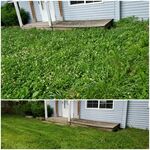
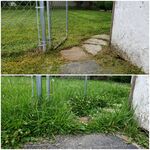
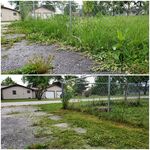
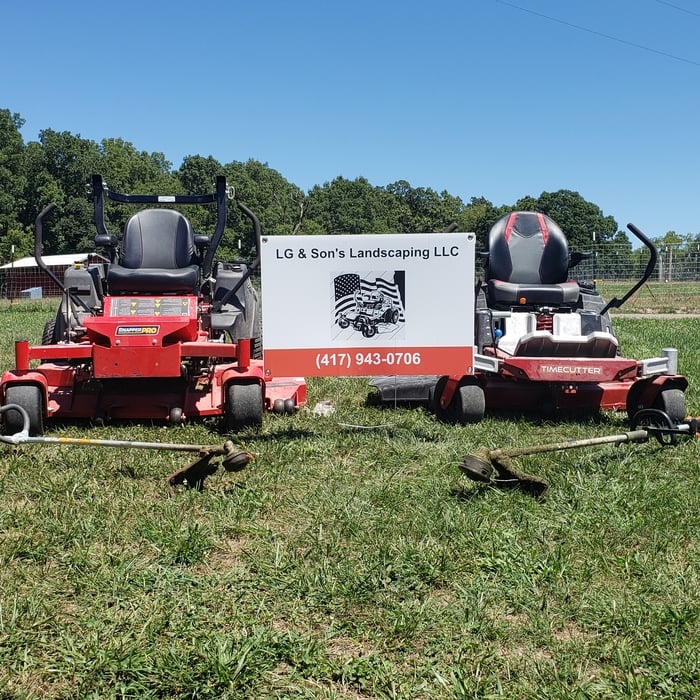
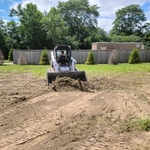
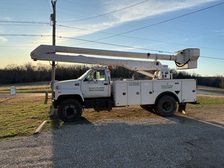
Additional Photos
Additional Photos
6 neighbors recently requested a quote

Recommended by57%of homeowners
...
Showing 1-10 of 56
Tree Service questions, answered by experts

Cutting down a dead tree is always strongly advisable. Aside from being an eyesore, a dead tree can be extremely hazardous, especially when it’s near people or structures. Even if the tree isn’t near your home, it can still harbor pests and diseases that can potentially spread to nearby plants and homes.

It depends. Smaller, younger trees take longer to mature, but they're more resilient, their roots don't get as damaged during transplanting, and they recover faster. Plus, they're much more affordable to plant, and it's possible to DIY the planting. 

On the other hand, mature trees produce fruit faster and provide more shade and privacy immediately. Ideally, a small or medium tree is the better choice if you can wait a few years for it to mature. But if you need immediate maturity, a larger tree is the only option.

In some states and municipalities, you will need a permit to remove a tree on your property. In many cases where permits are required, a tree must reach a maximum height before a permit is required to remove it. You can either ask your local building department or a tree removal professional if you’ll need a permit. If you do, you can expect to pay between $50 and $150 for the permit alone. Your tree removal company should pull the permit for you and include the permit fee in your total.

Generally, you should prune around 20% of an apple tree’s growth—and never more than 30%. This means that if you have a severely overgrown tree, it can take a few seasons to prune it back enough to produce the healthiest fruit. 

If you’re dealing with a newly planted or juvenile tree, hold off on pruning beyond the initial shaping. Wait at least a couple of seasons into fruit production since pruning can increase the number of water sprouts and unproductive foliage.

Generally, you’ll want to prune back the trunk by 1 to 2 feet each year to promote bushy growth. Doing so concentrates vegetative buds closer to the bottom of the tree, where you can easily harvest fruit. For side shoots that are a year old, leave at least six leaves. 

Never remove more than 30% of a tree’s foliage during pruning—even if your tree is really overgrown. Removing this much foliage at a time could kill your tree.

The Conway, MO homeowners’ guide to tree services

From average costs to expert advice, get all the answers you need to get your job done.