






Top-rated fencing pros.

Get matched with top fencing pros in New London, MO

Enter your zip and get matched with up to 5 pros

Need a pro for your fencing service project in New London, MO?

Select your specific project to find the pro for you.

Find Fencing pros in New London

Scott Jaenicke Construction
5.0(
1
)
Wood Fence - Install

Serving New London, MO and surrounding areas

In business since 2002

Free estimates

Scott Jaenicke Construction, is your premier choice for all of your home improvement needs. Proudly serving Hannibal and the surround areas. We are a self owned and operated service, and pride ourselves on the quality of our work. We treat our customer's homes like they were our own, so call us today for your free estimate!

Response time5 days
Recommended by100%of homeowners

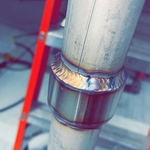
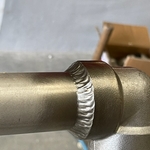
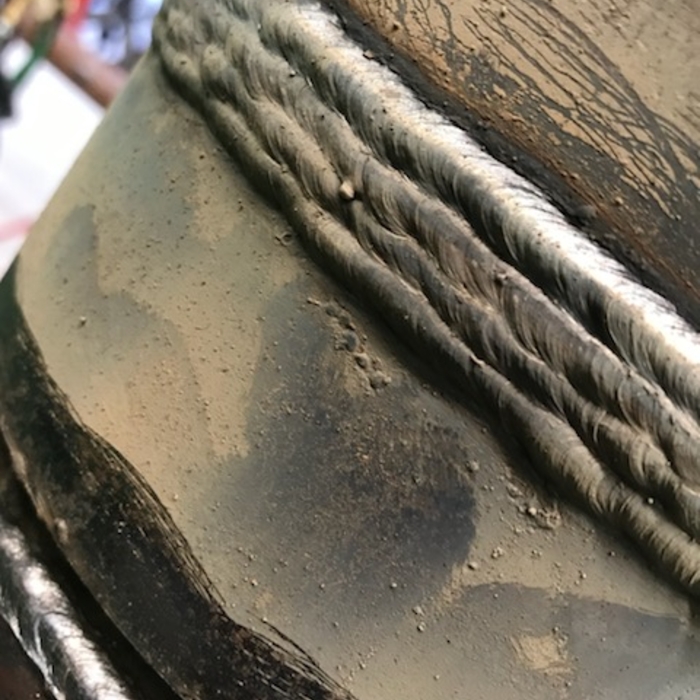
CM Fence & Mobile Welding
New to Angi
Barbed Wire Fence - Install

Serving New London, MO and surrounding areas

In business since 2023

Free estimates

Offers commercial services

CM Fence & Mobile Welding\nWe take great pride in our experience, expertise, quality, and customer service that we provide to meet your needs. It is our mission to provide excellent workmanship and complete customer satisfaction from start to completion of a project. In order to understand the needs and expectations of our customers, we take great care to work and communicate with every customer in a professional manner. Our reputation is based on service, safety, and quality, regardless of how large or small the job.

Response time10 mins
Showing 1-10 of 24
Fencing questions, answered by experts

When deciding between fence post foam and concrete, the best choice depends on your specific needs and priorities. Concrete is generally considered stronger and more durable, making it the preferred option for heavy, load-bearing posts. However, expanding foam offers several advantages, such as being more eco-friendly and curing much faster. For smaller fences or those made with lighter materials like vinyl or wire mesh, post foam is a good alternative. While concrete is more affordable, it is also harder to work with and has a longer curing time.

Yes, installing a picket fence is a manageable DIY project for homeowners with basic tools and some patience. The process involves marking the fence line, digging post holes, setting the posts, and attaching horizontal rails and pickets. However, precision is key to ensure the fence is straight and sturdy, which can be challenging for beginners. If the fence line is long, the ground is uneven, or you’re working with more complex materials like metal or composite, hiring a pro may be a better option.

You’ll need to bury the garden fence about 1 foot underground. It’s tempting to save on materials by burying the fence just a couple of inches, but if you do so, determined pests will still be able to dig under the fence and access your plants. Burying your garden fence deep into the soil is an important step that allows you to attach a wire barrier to the fencing. 

Burrowing animals (like voles, moles, rabbits, and gophers) can’t dig or chew through this wiring, meaning that you’ll be keeping your prized petunias or your robust veggie garden from being eaten.

Rust, bent or broken bars, loose posts, and weakened welds are common problems that require repair to maintain security and appearance.

Yes, you can use a floor jack to remove fence posts. Attach a stem to the base of the fence post so you can position the floor jack underneath. The stem can be a scrap piece of wood attached with nails or a sturdy nail itself. Put the jack beneath the stem and push the lever to lift up on the fence post and remove it from the ground.

The New London, MO homeowners’ guide to fencing services

From average costs to expert advice, get all the answers you need to get your job done.