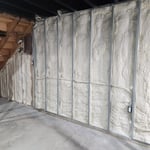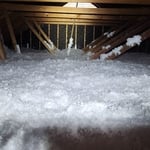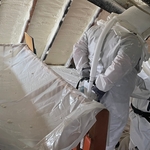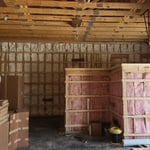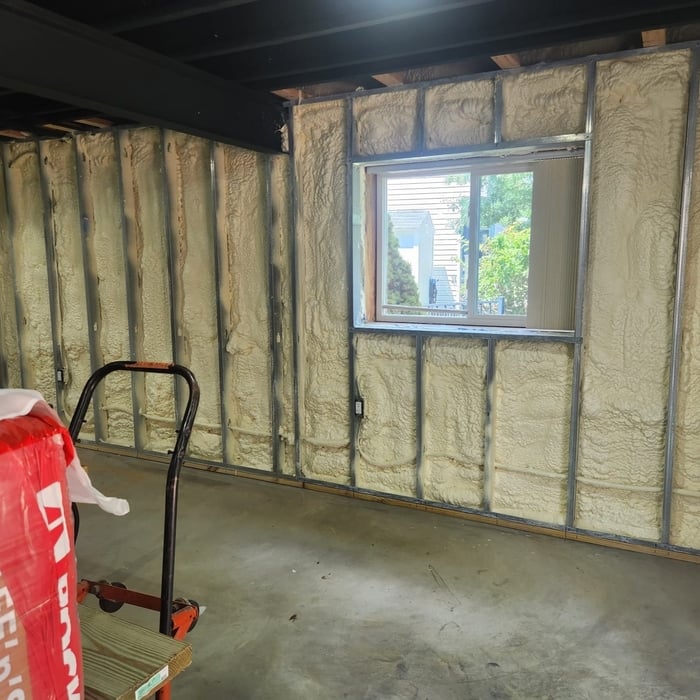




Top-rated insulation pros.

Get matched with top insulation pros in New Haven, MO

Enter your zip and get matched with up to 5 pros

Need a pro for your insulation service project in New Haven, MO?

Select your specific project to find the pro for you.

TRUSTED BY NEW HAVEN, MO HOMEOWNERS

  • Average homeowner rating star icon4.4
    Average homeowner rating
  • Verified reviews icon16
    Verified insulation services reviews
Insulation questions, answered by experts

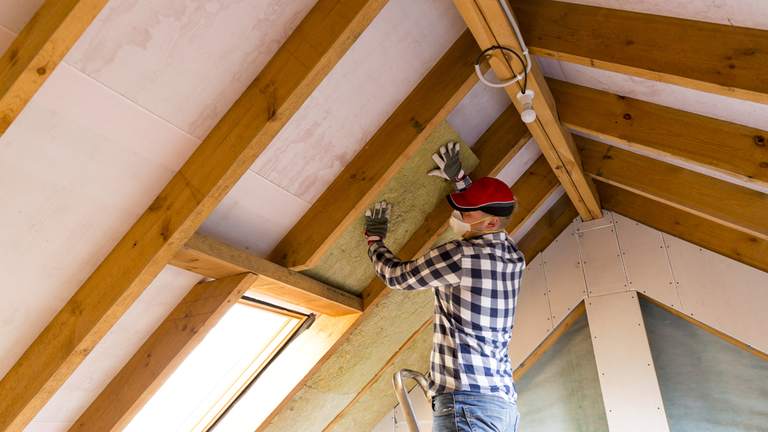
If you need to insulate behind finished walls, the best option will likely be to have an insulation professional install blown-in insulation. The installation requires small holes cut in your wall, after which the installer can blow loose-fill insulation into the void. After the installation, you’ll have minor drywall patching, which shouldn’t cost more than $100. Compared to ripping down the existing drywall, using a different type of insulation, and replacing and finishing the drywall, this should save you hundreds or even thousands, depending on the size of the room you’re insulating.

If the outside temperature drops below 20 degrees Fahrenheit, it will take around six hours for your pipes to freeze—and they might even burst. That’s why keeping your mobile home’s temperature around 50 to 60 degrees Fahrenheit is necessary, even if you’re leaving it vacant for the winter. In addition, having ample skirting around the mobile home's underbelly will help keep pipes insulated during the winter. 

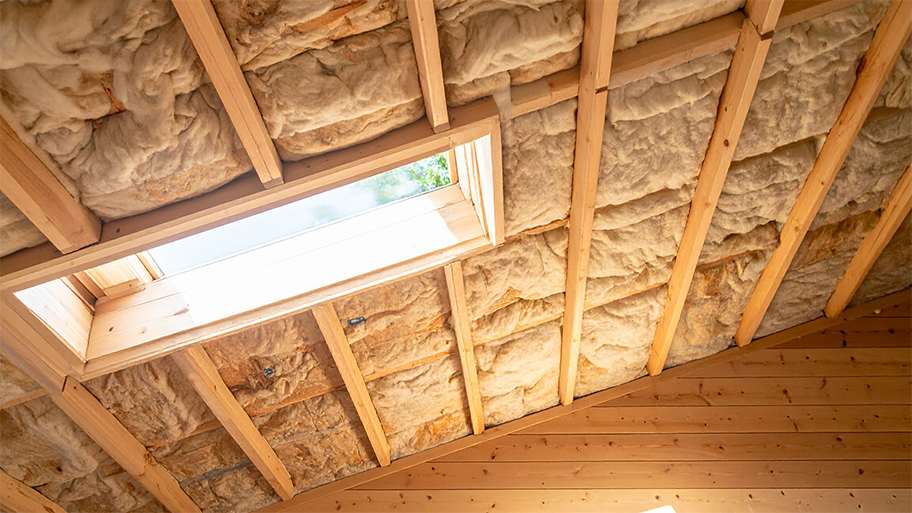
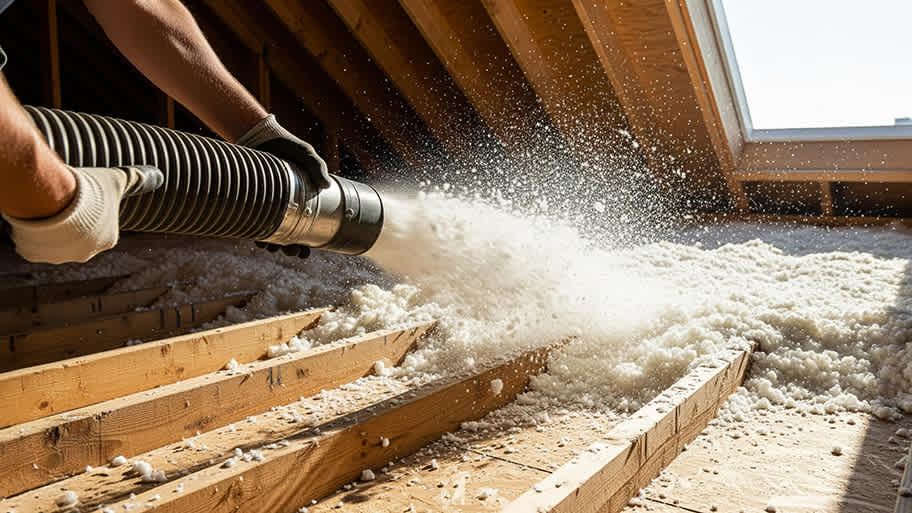
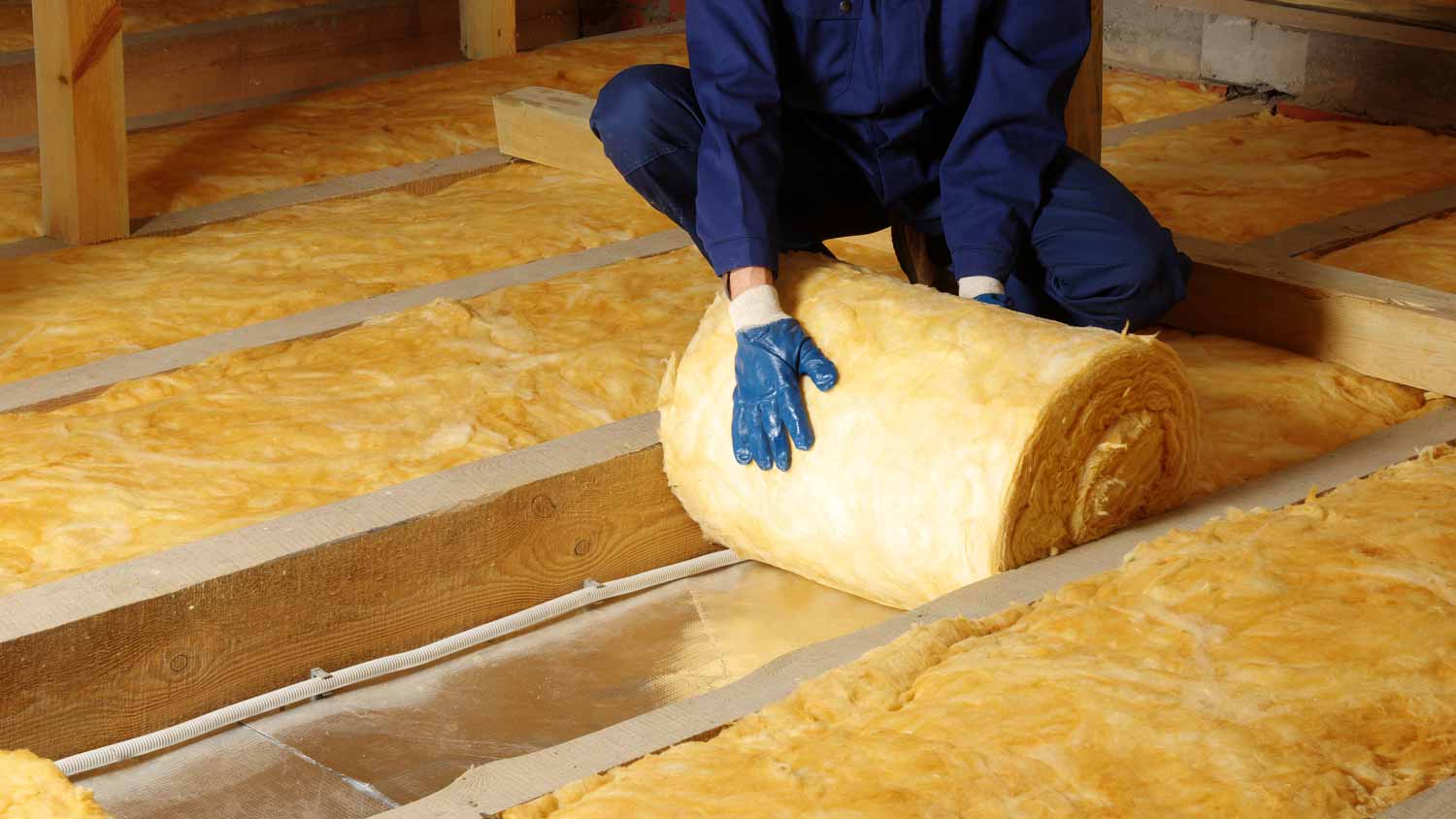
Insulation can be made of cellulose, fiberglass, polyurethane, polystyrene, or mineral wool. Radiant barriers are often made of aluminum or other similarly reflective materials, but they will need to be paired with something else because they don’t provide heating benefits. Cellulose is among the most eco-friendly options and may be recycled when it’s past its shelf-life, whereas polyurethane and polystyrene both emit harmful compounds and will need to be handled with care during installation.

Natural fiber batts and spray foam insulation both work great for soundproofing. Newer materials, such as hemp batts, are more expensive but more effective for insulation and sound blocking. They are also more sustainable. There is also a professional system called Blow-In Blanket Insulation (BIBS) that is soundproof and moisture-resistant. However, BIBS must be installed professionally and can be a costly investment.

You should not use spray foam insulation in several specific areas. Avoid applying it in spaces exposed to high temperatures, such as near electrical boxes or recessed lighting, unless the foam is specifically rated for such use. Applying foam near electrical boxes can damage the wiring, and using it too close to lightboxes or recessed lights creates a potential fire hazard. Additionally, do not use spray foam in areas prone to shifting or movement, as this can lead to cracks and gaps in the insulation. Finally, open-cell foam is unsuitable for use below ground or in areas exposed to moisture because it can absorb water, which compromises its insulating effectiveness.

The New Haven, MO homeowners’ guide to insulation services

From average costs to expert advice, get all the answers you need to get your job done.

What do you need done? We’ll find top pros.
  • 🌱 "Mow a small front yard"
  • 🛠 "Fix a leaking pipe under the sink"
  • 🏠 "Repair shingles on an asphalt roof"