



Top-rated excavation pros.

Get matched with top excavation pros in Wathena, KS

Enter your zip and get matched with up to 5 pros

Need a pro for your excavation project in Wathena, KS?

Select your specific project to find the pro for you.

Find Excavation pros in Wathena

Avatar for Do It All Services
Do It All Services
5.0(
2
)
Building Site - Preparation and ClearingBuilding Site - Preparation and Clearing - For Business

Serving Wathena, KS and surrounding areas

Approved

In business since 2022

Free estimates

Offers commercial services

"Carson was so quick to come out and take care of some lawn work I needed at my home. We have used him for tree trimming and lawn care several times and plan to use him in the future for all of our handyman needs. Heâ s reasonable and friendly and goes above and beyond to deliver his services."
Response time2 hrs
Recommended by100%of homeowners
Avatar for GLE Land Management LLC
GLE Land Management LLC
New to Angi
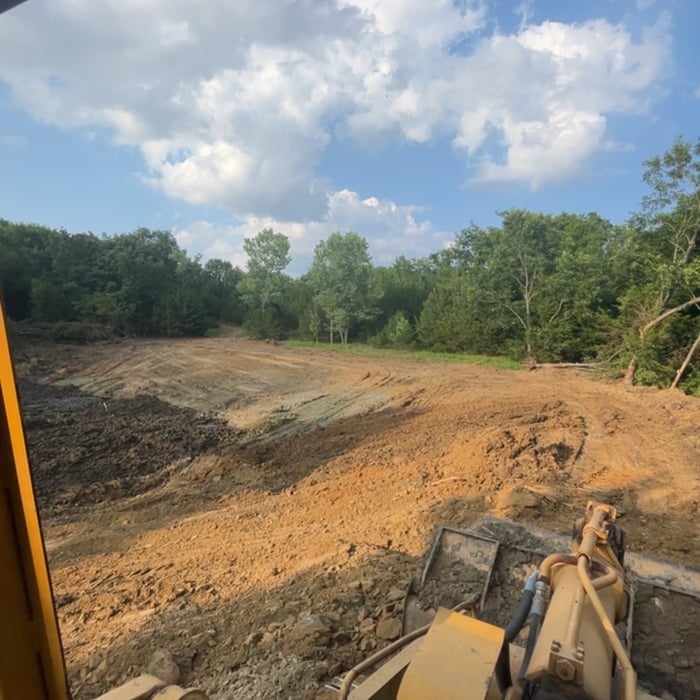
Building Site - Preparation and Clearing - For BusinessExcavation - Major Grading or Resloping - For Business

Serving Wathena, KS and surrounding areas

Approved

In business since 2025

Free estimates

Warranties offered

We pride ourselves on our extreme professionalism and attention to detail. Our customer satisfaction guarantee will assure you we will not leave your property until you are completely satisfied with our work. As a locally owned and operated business you can trust that we will treat your home as we would treat our own. Give us a call today, and we look forward to working with you!\n

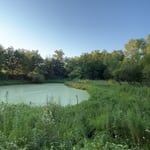
Pomona Pond
Pomona Pond
Pomona Pond
Pomona Pond
Pomona Pond

+18

1 neighbors recently requested a quote
Showing 1-10 of 31
Excavating questions, answered by experts

Sewer lines can be buried anywhere from 18 inches to 8 feet deep, with a common average depth between 18 and 30 inches. The exact depth depends on local factors like climate and soil type. In colder regions, pipes must be buried deeper (below the frost line) to prevent freezing, sometimes as deep as 8 feet. The digging depth can also impact the cost of sewer line replacement. To find the specific depth for your property, you can check the building plans for your system, which should be on file with your city or local sanitation department since permits are required for installation.

Most residential basements are 8 to 10 feet deep. You can dig deeper depending on building codes, but it does become more difficult. You’ll likely need to install stronger foundation walls and additional supports to handle the increased load. Depending on the water table, you may also need a water management system. Clay soil can support a deeper foundation than sandy soil. A structural engineer will be able to tell you the maximum, feasible depth.

Completion time ranges from days to weeks, contingent on project size, environmental conditions, and regulatory approvals.

It’s possible to transplant trees as tall as 50 feet when an experienced tree planting service uses the right equipment. However, a tree with a trunk larger than two or three inches in diameter needs to be handled by a professional in order to yield successful transplanting results. Consulting a tree planting professional is the best way to tell if your large tree can be safely transplanted.

How deep your septic system needs to be into the ground depends on several factors. In extremely cold environments, the tank needs to rest below the maximum frost line, which can be up to six or eight feet deep. The standard burying depth for most systems is between a few inches and four feet below ground level. Depth can also depend on the slope of the landscaping and other property variables. 

The Wathena, KS homeowners’ guide to excavation services

From average costs to expert advice, get all the answers you need to get your job done.