

Top-rated tree service pros.

Get matched with top tree service pros in Lockwood, MO

Enter your zip and get matched with up to 5 pros

Need a pro for your tree service project in Lockwood, MO?

Select your specific project to find the pro for you.

Find Tree service pros in Lockwood

Avatar for J's Tree Service
J's Tree Service
5.0(
6
)

Serving Lockwood, MO and surrounding areas

In business since 2024

Free estimates

Small jobs welcome

"Answered promptly, and quickly came to remove a large tree from our yard. The crew worked long hours and completed the job neatly and as directed. Very personable and professional. Highly recommend."
Response time2 hrs
Recommended by16%of homeowners
Showing 1-10 of 47
Tree Service questions, answered by experts

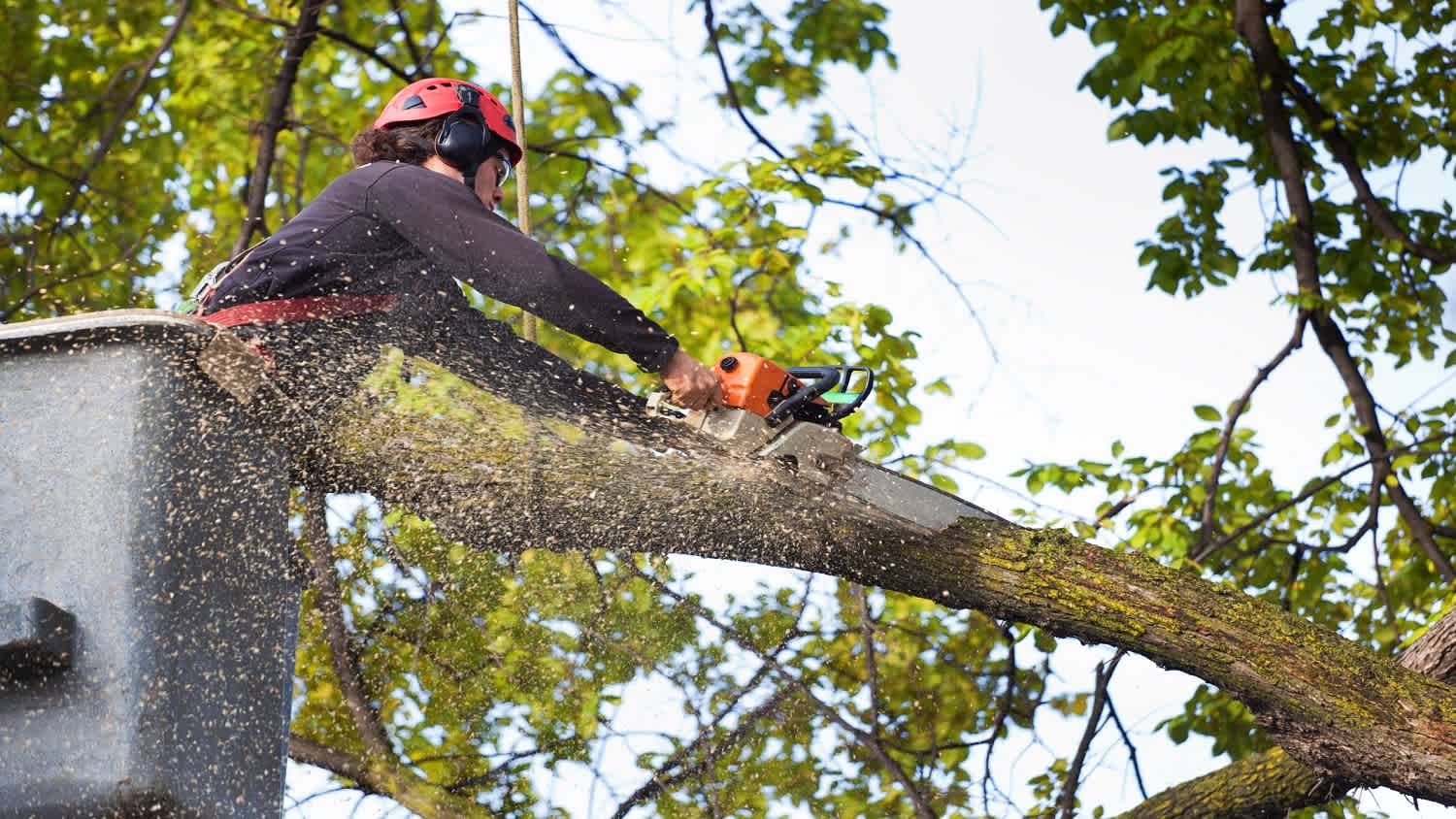
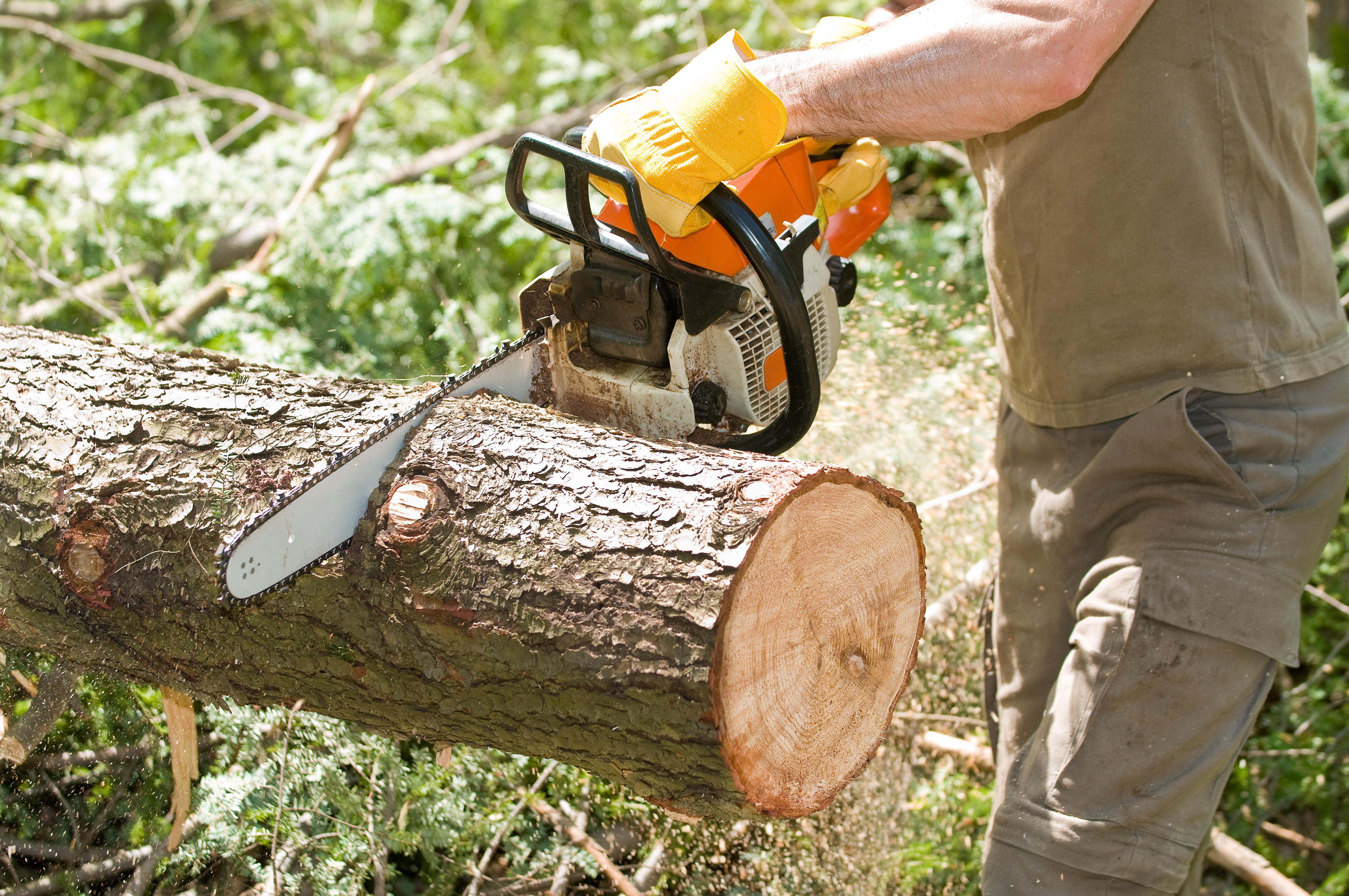
A chainsaw is the best tool to cut down a tree, but you may also use a handsaw or ax. You may also want to use a lopper or pole saw to remove limbs before cutting down the tree. Wear chainsaw chaps and protective gear, including eyewear and earplugs if you use a chainsaw. Again, if you’re unsure about how to use this tool, this project may be one to skip.

A tree can grow back from its stump, but full regrowth is unlikely (especially for more stubborn conifer trees). Instead, trees are more likely to send up a number of shoots from the dead stump, which will try to develop into primary stems over time. In other words, it will start to look increasingly bushy. The goal of killing and drying out a tree stump is to prevent that from happening, as well as make the stump easier to completely remove.

White vinegar does not kill ivy on trees because its acetic acid concentration is not high enough to overpower it. Vinegar is an effective herbicide for weeds and other plants, but not for the strength of most ivies, including poison ivy and English ivy. You should use an herbicide to kill ivy, such as one with glyphosate, imazapyr, or triclopyr.

Tree borers are difficult to control and remove once they make a home in your tree. However, with patience and determination, some methods can slow the damage or even eliminate the pests. But, once the damage is too much for the tree to handle, the only solution becomes removing it. Talk to a tree specialist early for the best chance at saving your tree.

Not all leaning trees are dangerous, but they can be a hazard as gravity may eventually cause them to fall. A key factor is whether the lean is new or has been present for a long time. Trees that have grown with a lean for years are not typically an immediate danger, but a sudden lean is a cause for concern as it often indicates weakening roots. If a tree is leaning more than 15% from vertical, you should consider having it straightened or transplanted. To be safe, it's always best to hire a professional arborist to inspect any leaning tree to assess the risk and avoid potential accidents.

The Lockwood, MO homeowners’ guide to tree services

From average costs to expert advice, get all the answers you need to get your job done.