







Top-rated landscapers.

Get matched with top landscapers in Lilbourn, MO
Enter your zip and get matched with up to 5 pros

Need a pro for your landscaping project in Lilbourn, MO?

Select your specific project to find the pro for you.

Find Landscapers in Lilbourn

Avatar for Clover Ridge Land Design
Clover Ridge Land Design
5.0(
2
)

Serving Lilbourn, MO and surrounding areas

Approved

In business since 2023

Free estimates

Credit card accepted

"I canâ t say enough good things about Clover Ridge Land Design! Joe is responsive, creative, and gets the project done in record time. If you need an honest and professional landscaping company, please look to Clover Ridge. Joe will work wonders with your home or business. Highly recommend!"
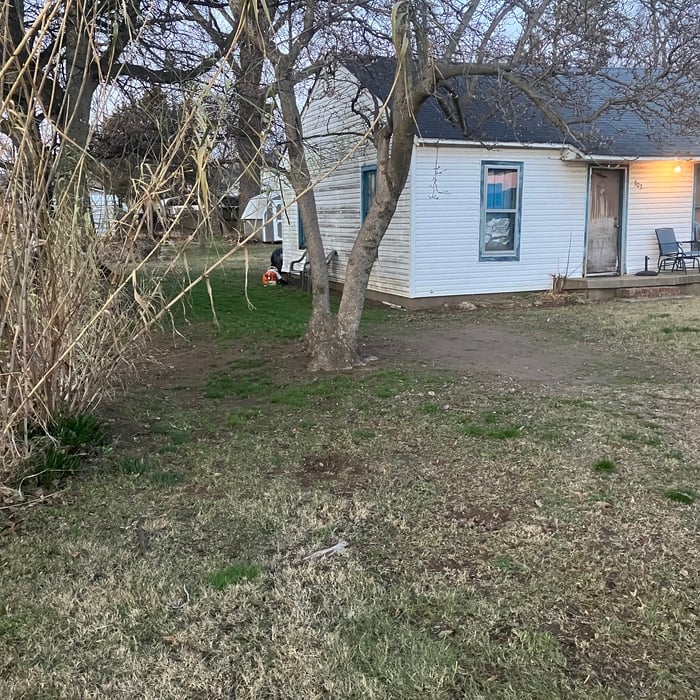
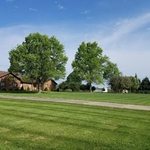
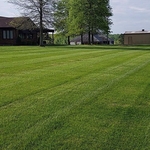
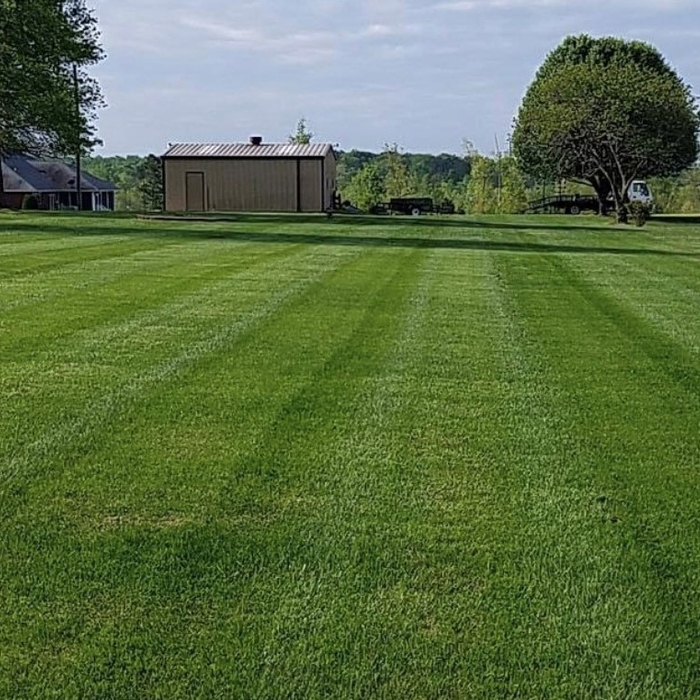
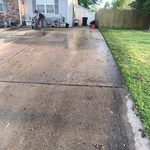
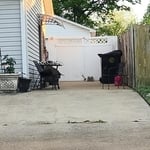
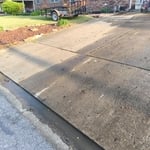
Farm Landscape
Farm Landscape
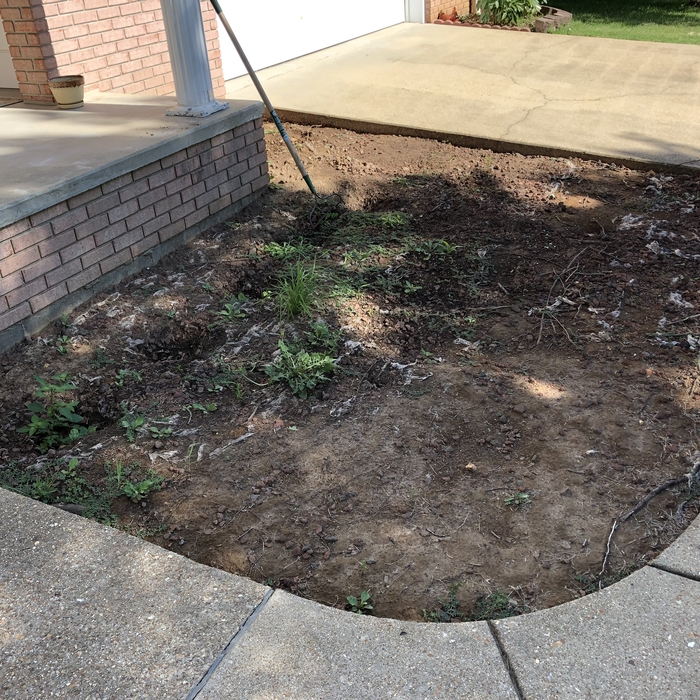
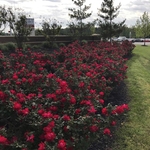
Landscape
Landscape
Helping a Veteran

+2

Response time7 hrs
Response rate97%
3 neighbors recently requested a quote
Avatar for Butlers Lawn and Garden
Butlers Lawn and Garden
4.5(
8
)

Serving Lilbourn, MO and surrounding areas

In business since 2025

Free estimates

Emergency services offered

"Very professional , he did exactly what I needed him to do , plus went the extra mile and cleaned up some extra for me. I would highly recommend Butler's Lawn and Garden , they did a great job and I would use them again , thank you guys"
98” TV Wall Mount
Response time2 days
...
Showing 1-10 of 91
Landscaping questions, answered by experts

Grass is the most popular and safest option for planting over a septic drain field, but you can also plant small flowering plants and other lightweight plants that don’t have woody or deep roots. Avoid trees and bushes within 10 feet of the field, as the woody roots can crack the perforated pipes. You should also avoid planting vegetable or fruit gardens over your drain field, as a leak from the pipes could contaminate the soil and put anyone who eats the produce at risk.

You should avoid planting grass, shrubs, plants, and trees in freezing temperatures, as the ground can get frozen and become too hard for proper root growth. It’s best to plant in the fall to allow your plants to establish root systems before the first frost. Landscaping when the average temperature in your area is between 50 and 60 degrees will usually deliver the best results.

If you choose to leave gaps between your pavers, you can grow some ground cover plants between them for an organic feel. Look for plants such as creeping thyme, dymondia, jewel mint of Corsica, or clover.

There are some instances when you can use extra drywall in your garden. Ideally, unused scraps of new drywall are best for amending soil without the concern of additional chemicals or mold. However, drywall with paint, mold, or potential asbestos requires specialized disposal by a professional and should be kept out of your garden.

Yes, you can landscape in the rain, but you should take some precautions to keep yourself and your tools safe. Avoid using electric landscaping tools during rainfall, and don’t mow, thatch, aerate, or rake in the rain, as your tools can more easily tear out roots in the loose soil. Be careful when working on wet grass, and take your time to avoid slipping. Avoid putting in new plants before a particularly bad storm, as heavy rain and strong winds can damage or uproot plants that aren’t yet established.

The Lilbourn, MO homeowners’ guide to landscaping services

From average costs to expert advice, get all the answers you need to get your job done.