




Get matched with top tree service pros in Licking, MO

Licking homeowners rate tree service pros in our network

4.8

(17 reviews)

Top-rated tree service pros.

Need a pro for your tree service project in Licking, MO?

Select your specific project to find the pro for you.

Find Tree service pros in Licking

Avatar for Ritzco Tree Care
Ritzco Tree Care
4.7(
32
)

Serving Licking, MO and surrounding areas

In business since 2020

Free estimates

Emergency services offered

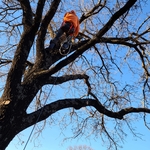
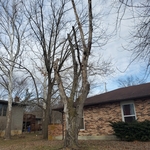
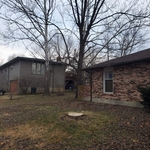
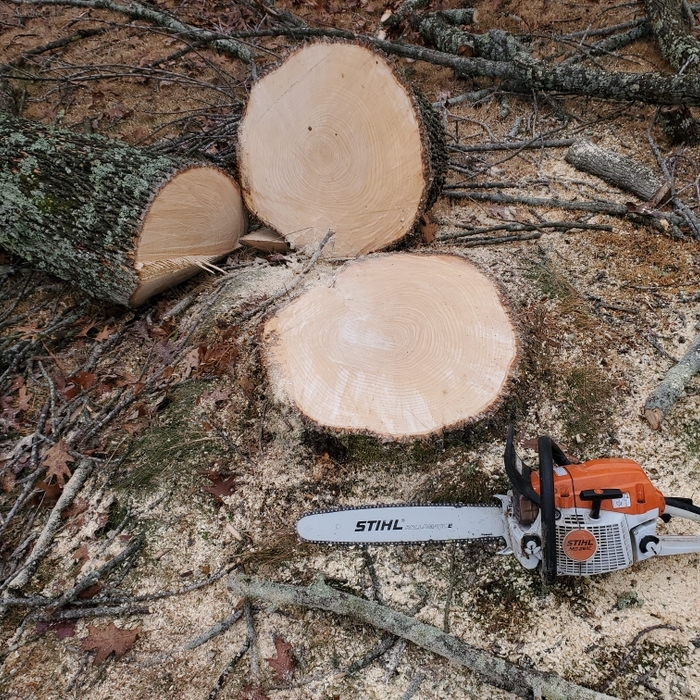
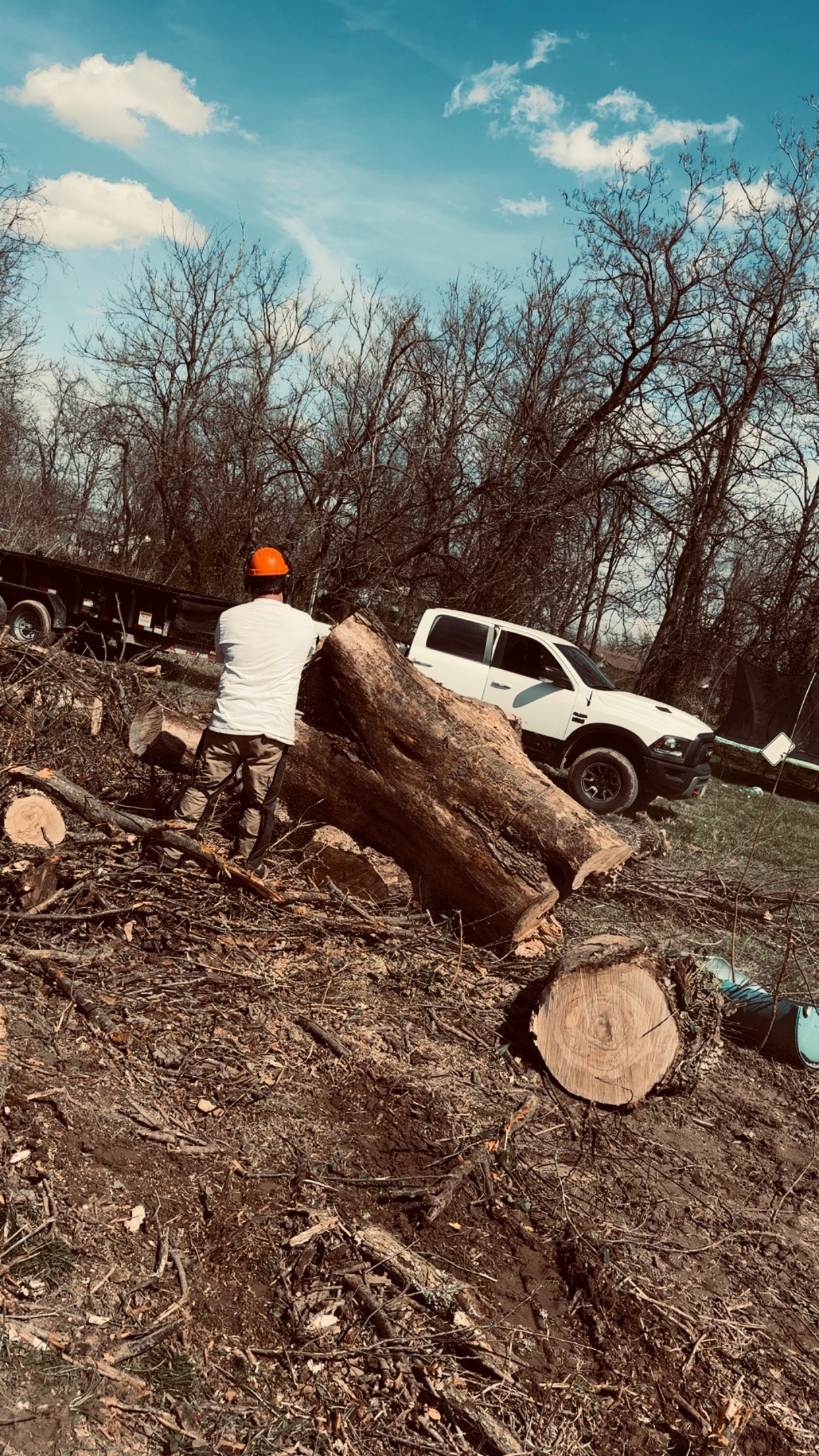
"Charles was professional and caring about doing exactly what I needed done. The tree was dead and tilted towards my fence and I needed it to fall the opposite direction into the woods. By use of rope and pully he managed to have the tree fall exactly between other trees. They picked up and raked the area after the tree was cut up. Great people and outstanding work. Would strongly recommend Ritzco Tree Service."
RitzCo Tre Care
Rizco Tree Care
Before
After
Rtizco Tree Care

+1

Response time1 day
Response rate91%
Recommended by89%of homeowners
B&C Tree Service
New to Angi

Serving Licking, MO and surrounding areas

In business since 2014

Free estimates

Credit card accepted

B&C Tree Service is committed to excellence in every aspect of our business. We uphold a standard of integrity bound by fairness, honesty, and personal responsibility. Our distinction is the quality of service we bring to our customers. Accurate knowledge of our trade combined with ability is what makes us true professionals. Above all, we are watchful of our customers interests and make their concerns the basis of our business.\n

Showing 1-10 of 35
Tree Service questions, answered by experts

Yes, forestry mulching can grind stumps, but the level of effectiveness depends on the equipment used. Drum mulchers can break down smaller stumps, but larger or deep-rooted stumps may require a dedicated stump grinder for complete removal. If full stump removal is necessary for replanting or construction, additional excavation may be needed. Always check with your forestry mulching provider to confirm whether they offer stump grinding and if their equipment is suitable for your specific needs.

If you aren’t sure what you’re doing, be very careful when cutting mature tree roots (roots larger than 2 inches). Root cutting and pruning can affect both a tree’s stability and its ability to nourish itself. Issues during root cutting can result in damage or injury. 

It’s recommended you call in a pro to help, unless it’s a very small tree and you aren’t worried about the prospect of losing the tree.

Completely topping a plum tree is a risky business. Cut too much, and you’ll kill your tree. That said, you do need to trim the top of your tree to encourage bushy growth, maintain your tree’s vase shape, and limit size. 

A plum tree's central leader (or trunk) should never extend more than 3 feet above the highest branch. When you first plant your tree, cut the central leader so it’s 2 to 3 feet tall. As it grows, cut it back 12 to 20 inches until it reaches its desired height. Never prune more than one-third of the new growth.

Tree roots don’t necessarily break through concrete on their own, but they can certainly take advantage of existing cracks, even very small ones. As roots grow, they expand the cracks, making them larger and leading to serious and costly foundation damage. It’s a good idea to have repairs on any foundation cracks you’re concerned about.

There are several methods to hollow out a tree stump, and the best one depends on your tools, experience, and priorities. Common methods include using a chisel and hammer, a chainsaw, or burning.

  • Chisel and Hammer: This is often considered the easiest approach for those with limited tools or experience, though it is the most time-consuming.

  • Chainsaw: Using a chainsaw is the fastest method, but it comes with significant safety risks, especially for inexperienced users.

  • Burning: This can be an effective method, but it is not recommended unless you can first drill holes into the stump. Without holes, the stump will be difficult to light and may not burn completely through.

A power drill with at least a ⅜-inch diameter bit can make the job quicker and easier, regardless of the primary method. While you can use a chisel or chainsaw without a drill, it will require more time and effort. Always wear protective goggles and thick gloves, as splinters are an inevitable risk.

The Licking, MO homeowners’ guide to tree services

From average costs to expert advice, get all the answers you need to get your job done.