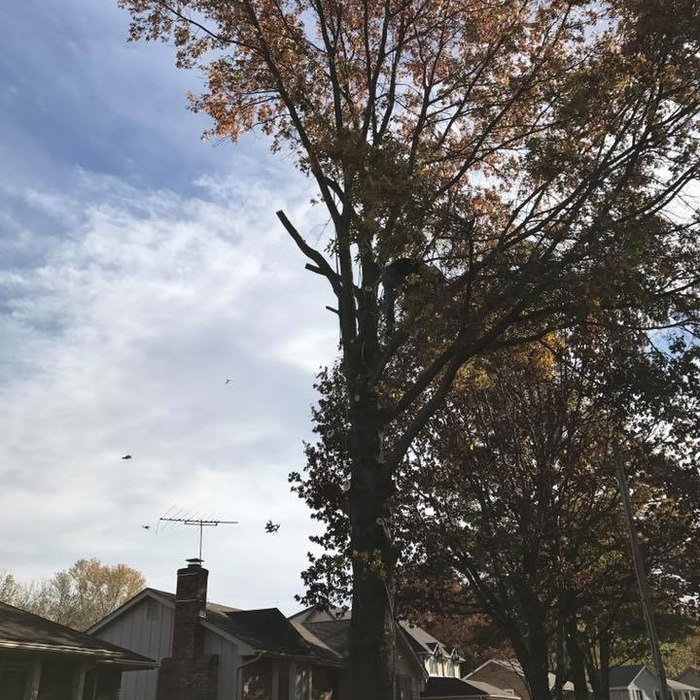

Top-rated tree service pros.

Get matched with top tree service pros in Lexington, MO

Enter your zip and get matched with up to 5 pros

Need a pro for your tree service project in Lexington, MO?

Select your specific project to find the pro for you.

TRUSTED BY LEXINGTON, MO HOMEOWNERS

  • Average homeowner rating star icon4.8
    Average homeowner rating
  • Verified reviews icon64
    Verified tree services reviews

Find Tree service pros in Lexington

Avatar for A & E Tree
A & E Tree
4.9(
75
)
Tree RemovalTree Removal - For BusinessTree Stump - Remove+5 more

Serving Lexington, MO and surrounding areas

In business since 2010

Free estimates

Emergency services offered

"Perfectly...Couldn't have asked for better service and performance. All aspects were outstanding!
They arrived at the scheduled time and were gone in less time than originally estimated. 
I'd recommend them in a heartbeat."
Recommended by85%of homeowners
...
Showing 1-10 of 112
Tree Service questions, answered by experts

You need to remove all branches affected by Dutch elm disease. If your tree has several affected branches, you will probably need to remove the entire tree. First, consult a pro to be sure that you’ve correctly identified it as an elm tree. Make sure the tree is properly disposed of with a plastic covering or through debarking, chipping, or burning.

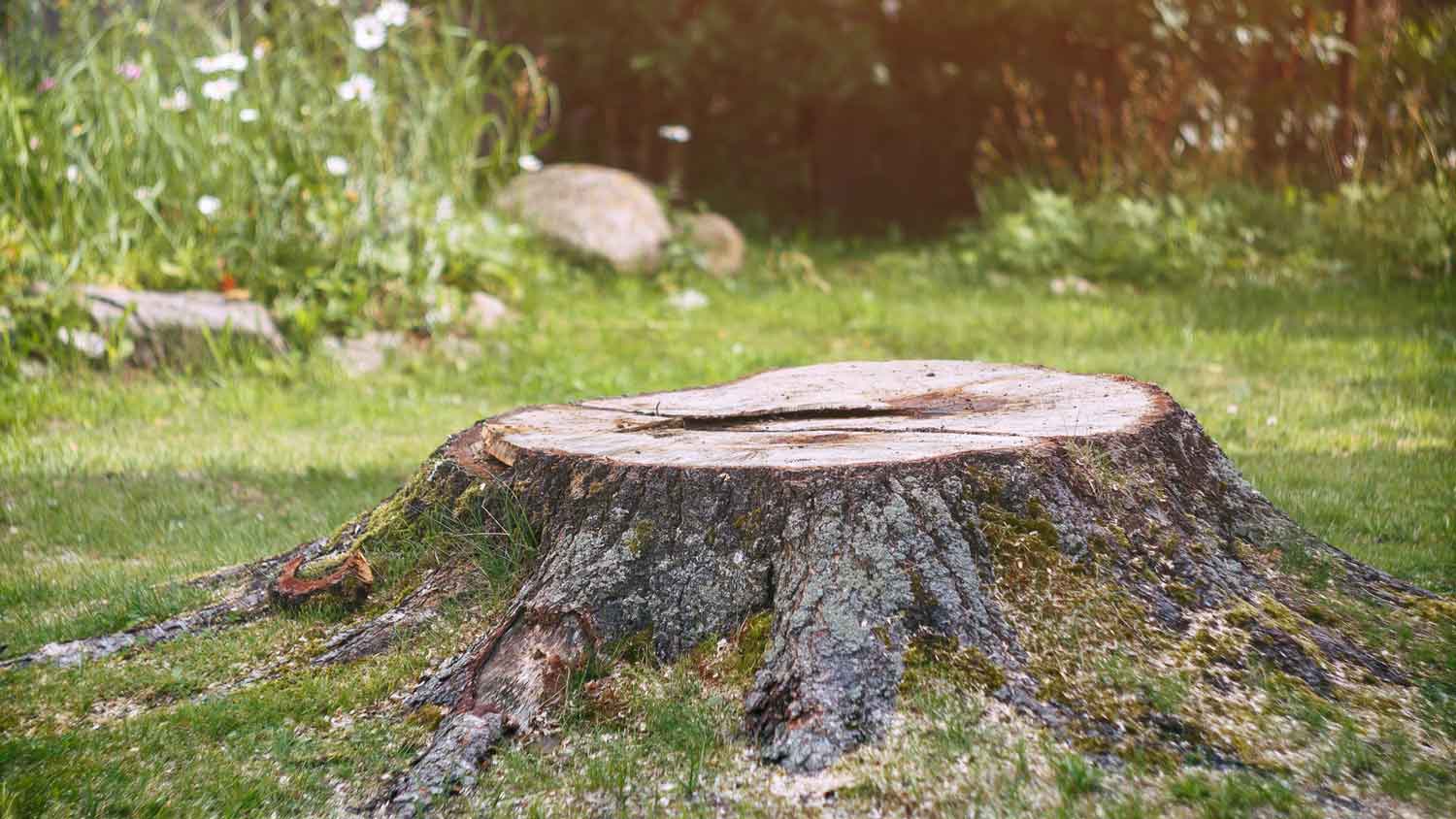
You can use a chainsaw, but it won’t remove the entire stump or root ball and is not a recommended method. It takes quite a bit of physical work to achieve and will likely dull or ruin your chainsaw. Instead, consider using salt, herbicide, light deprivation, boiling water, stump grinding, or burning to kill a tree stump. These methods allow you to kill a stump using minimal machinery and physical exertion.

Permits are often required for large tree removals, especially in urban areas or for protected species, ensuring regulation compliance and neighbor safety.

In most cases, leaving tree roots underground is not a problem if the stump has been removed or ground below the soil. However, some larger roots may decompose, leaving dents in your soil. Additionally, some aggressive trees, including willows, oaks, elms, maples, and poplars may grow back from roots. Large aggressive trees with established root systems are more likely to grow back.

Most plum trees are pruned into a vase or open wine glass shape. They’ll have a shorter central leader (the trunk) that supports three to four main branches. Of course, this isn't always the case. If you have a European plum tree, you can grow it in a pyramid shape. Let the central leader extend the length of the tree and prune smaller branches to create the pyramid.

The Lexington, MO homeowners’ guide to tree services

From average costs to expert advice, get all the answers you need to get your job done.