





Top-rated bathroom fan installation pros.

Best bathroom fan installation pros near Leeton, MO

Enter your zip and get matched with up to 5 pros

Need a pro for your bathroom fan installation project in Leeton, MO?

Select your specific project to find the pro for you.

TRUSTED BY LEETON, MO HOMEOWNERS

  • Average homeowner rating star icon4.5
    Average homeowner rating
  • Verified reviews icon101
    Verified bathroom fan installations reviews

Top-Rated Bathroom fan installation pros in Leeton - Updated Nov 2026

Avatar for QF Remodeling LLC
QF Remodeling LLC
5.0(
6
)
Bath Exhaust Fan - InstallBath Exhaust Fan - Repair

Serving Leeton, MO and surrounding areas

Approved

In business since 2022

Free estimates

Emergency services offered

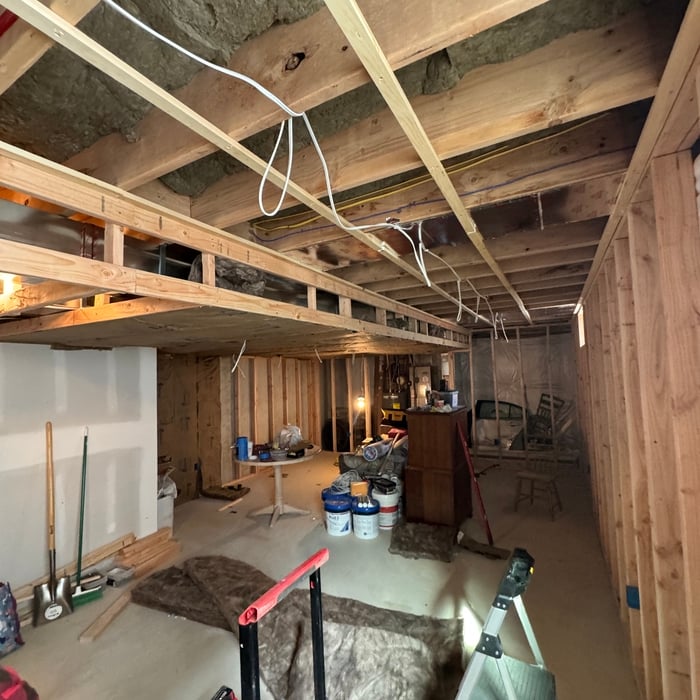
About this pro\n\nI specialize in residential remodeling, repairs, and home improvement projects — from small repairs to larger bathroom, kitchen, basement, flooring, drywall, painting, carpentry, and installation work.\n\nI am fully insured with over $1,000,000 in liability coverage, so customers can feel confident that the work is being handled professionally and responsibly.\n\nServices include:\n\n• Bathroom remodeling and repairs\n• Kitchen remodeling and repairs\n• Basement finishing and room remodeling\n• Flooring installation and replacement\n• Interior and exterior painting\n• Drywall installation\n• Doors, trim, baseboards, molding\n• Framing and wall modifications\n• Deck, porch, and exterior \n• Cabinet installation\n• Shelving and wall-mounted installations\n• Faucets, sinks, garbage disposals, and plumbing fixtures\n• Light fixtures, outlets, switches\n• Garage door trim and weatherstripping\n• Demolition and preparation for remodeling\n• General home repairs and maintenance\n\n


Basement restoration

+31
6 neighbors recently requested a quote
Avatar for Floydoesit
Floydoesit
4.3(
18
)
Bath Exhaust Fan - InstallBath Exhaust Fan - Repair

Serving Leeton, MO and surrounding areas

In business since 2019

Emergency services offered

Warranties offered

Floydoesit is committed to excellence in every aspect of our business. We uphold a standard of integrity bound by fairness, honesty, and personal responsibility. Our distinction is the quality of service we bring to our customers. Accurate knowledge of our trade combined with ability is what makes us true professionals. Above all, we are watchful of our customers' interests, and make their concerns the basis of our business.

Response time2 days
Recommended by81%of homeowners
Showing 1-10 of 25
Bathroom Fan Installation FAQs, answered by experts

A whole-house fan works best to pull chilled and dry air into your home in the early morning hours and at night. This system allows you to close your windows after turning off the fan and trap the cool air inside. You can run your whole house fan continuously for maximum ventilation and fresh air, or you can turn it on for ten minutes or so at a time to introduce cool, fresh air as needed.

Some disadvantages of a blower cooler—a type of cooling device sometimes known as a swamp cooler—are its increased energy demand and its higher noise level. Blowers require more energy to run because they push air out at a higher pressure. This also means a blower cooler can be louder than a fan. Blower coolers are also not recommended for humid areas because humidity limits their cooling potential.

The more surface area that a ceiling fan blade has, the more effective it will be at producing airflow. Therefore, a longer ceiling fan blade is the better option if you’re looking for more wind. However, a longer blade will consume more energy than a shorter blade.

Before committing to this new project, you’re likely weighing the pros and cons of attic fans. The good news is that typical roof vents can only ventilate 150 to 300 square feet per unit, whereas a single attic fan can circulate enough air to vent an entire attic. By moving large volumes of air within and out of the attic space, an attic fan can lower the temperature by 15 to 40 degrees Fahrenheit and reduce moisture to prevent mold and mildew.

Identifying the source of noises is your first step to soundproofing a room without overspending. Generally, sound comes from inside or outside of the house. Inside noises include creaking floors, living noises like TVs in the living room, cooking sounds, or kids being kids. External noises generally include incremental weather, disturbing neighbors, and street traffic. Inside noises require you to soundproof floors, ceilings, and doors, whereas outside noises may require you to soundproof your attic, windows, and walls facing the streets.

The Leeton, MO homeowners’ guide to bathroom fan installations

From average costs to expert advice, get all the answers you need to get your job done.