




Top-rated arborists.

Get matched with top arborists in Greenfield, MO

Enter your zip and get matched with up to 5 pros

Need a pro for your arboricultural service project in Greenfield, MO?

Select your specific project to find the pro for you.

Find Arborists in Greenfield

Avatar for TREE HUGGERS TREE CARE
TREE HUGGERS TREE CARE
5.0(
14
)

Serving Greenfield, MO and surrounding areas

In business since 2002

Free estimates

Emergency services offered

"the provider cut down several dead limbs, and also used a leaf blower to remove some maple debris from my house's roof.
he gave me a cost discount to make up for some previous work his company had done that was not quite to my satisfaction.


"
Tree Removal
Tree Removal
Tree Removal
Recommended by100%of homeowners
Avatar for J's Tree Service
J's Tree Service
5.0(
6
)

Serving Greenfield, MO and surrounding areas

In business since 2024

Free estimates

Small jobs welcome

"I had a tree that had broken during a storm and he was efficient in removing the tree for me. He cleaned up nicely and didn?t leave anything for me to have to do. Would definitely recommend for tree services."
Response time2 hrs
Recommended by16%of homeowners
Showing 1-10 of 48
Arborists questions, answered by experts

The best time to cut down a tree is during its dormant season, typically in winter or early spring, after all the leaves have fallen. Removing a tree during this period is advantageous for several reasons. Frozen ground helps secure the tree stump, protects the surrounding landscape from damage, and reduces the risk of the tree falling in an unintended direction. With the leaves gone, there is less risk of the tree's foliage getting tangled with other trees. Additionally, since this is often a slower season for tree services, you may be able to hire a professional at a lower rate. This dormant period is also the best time for tree trimming.

The speed of your tree root removal process depends on a few different factors, including the size and type of tree. However, the fastest method of killing tree roots is applying chemical herbicide, which starts working quickly and efficiently. But this removal method has its drawbacks, such as having a negative effect on the surrounding vegetation and landscaping. Other options like rock salt and stump grinding work relatively quickly and cause less damage to your yard.

You should avoid cutting off the top of mature cherry trees. This process is called tree topping, and it’s not recommended for cherry trees—or any trees, for that matter. Tree topping removes between one-third to half of the length of the tree trunk, resulting in structurally unsound, fruitless suckers. The only exception is for saplings. Young pie, sour, and tart cherry trees that are over 30 inches tall in the fall or winter before the tree blooms can benefit from heading cuts.

DIY is risky and not recommended for large trees; professional services ensure safe removal and proper disposal.

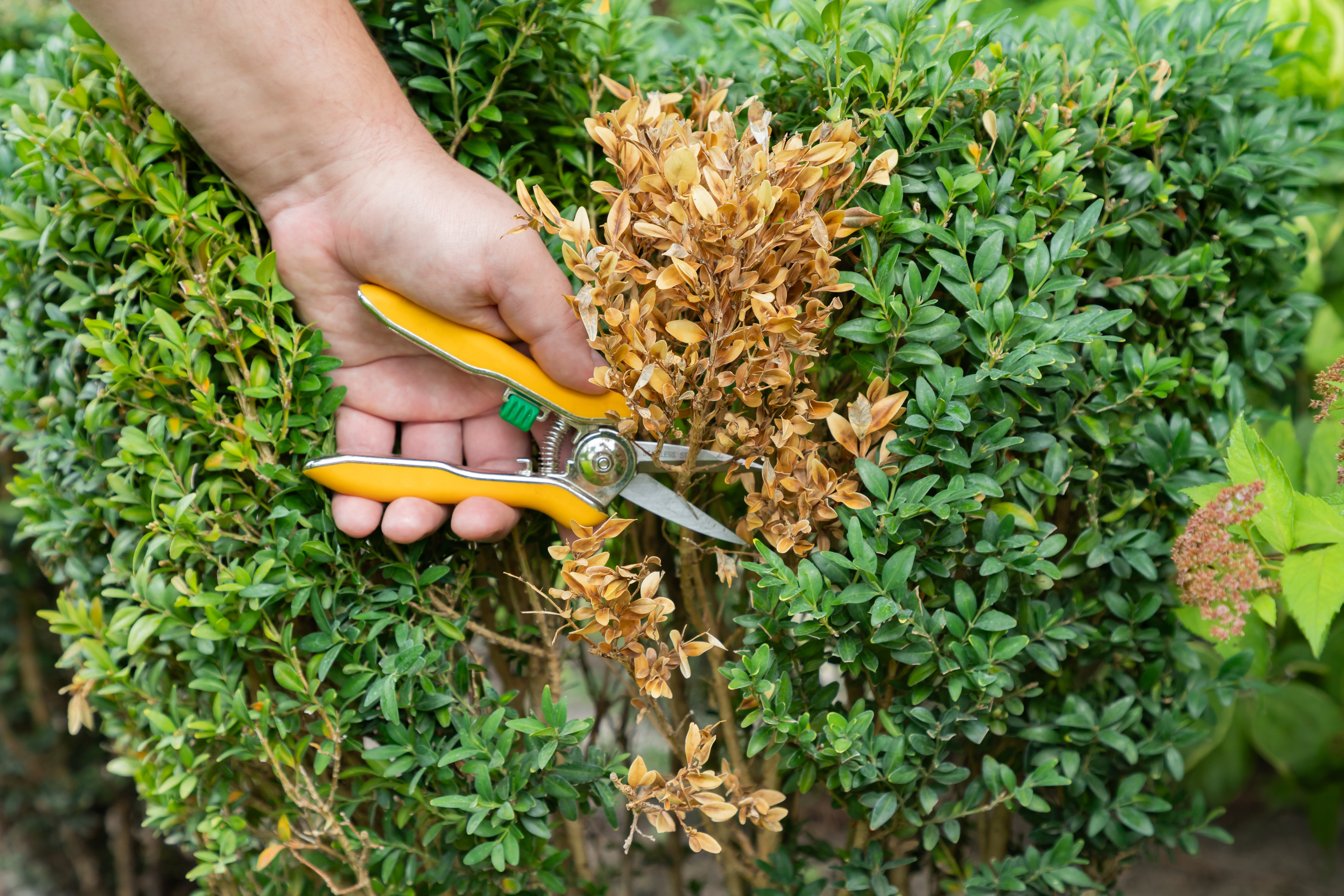
A few signs a tree may be dead is if the leaves are dead and there are no signs of new blooms. You can also perform a scratch test on some of the branches to check the condition of the cambium layer beneath the bark.

If it is green, it is still alive, but if several are dry, brittle, and brown, the tree may be dying or dead. Always consult an arborist before assuming your tree is dead because you may be able to save it.

The Greenfield, MO homeowners’ guide to arboricultural services

From average costs to expert advice, get all the answers you need to get your job done.