

Tri-State Water, Power & Air
Fixed Generator - InstallGenerator - InstallGenerator - Install - For Business
Serving Forsyth, MO and surrounding areas
Approved (Corporate)
In business since 1992
Free estimates
Emergency services offered
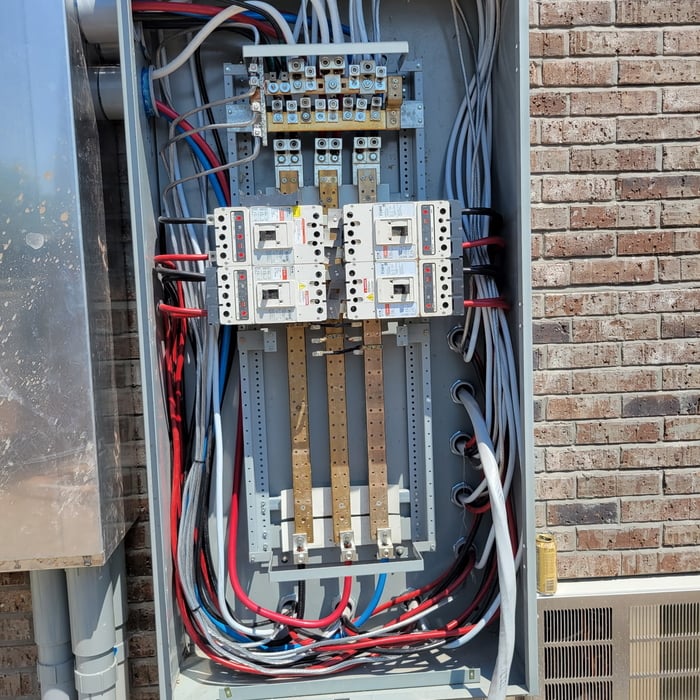
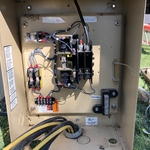
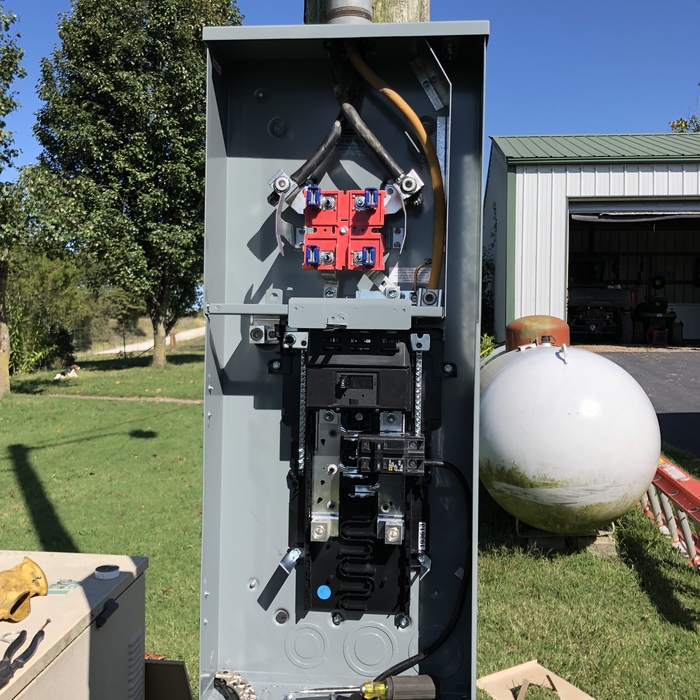
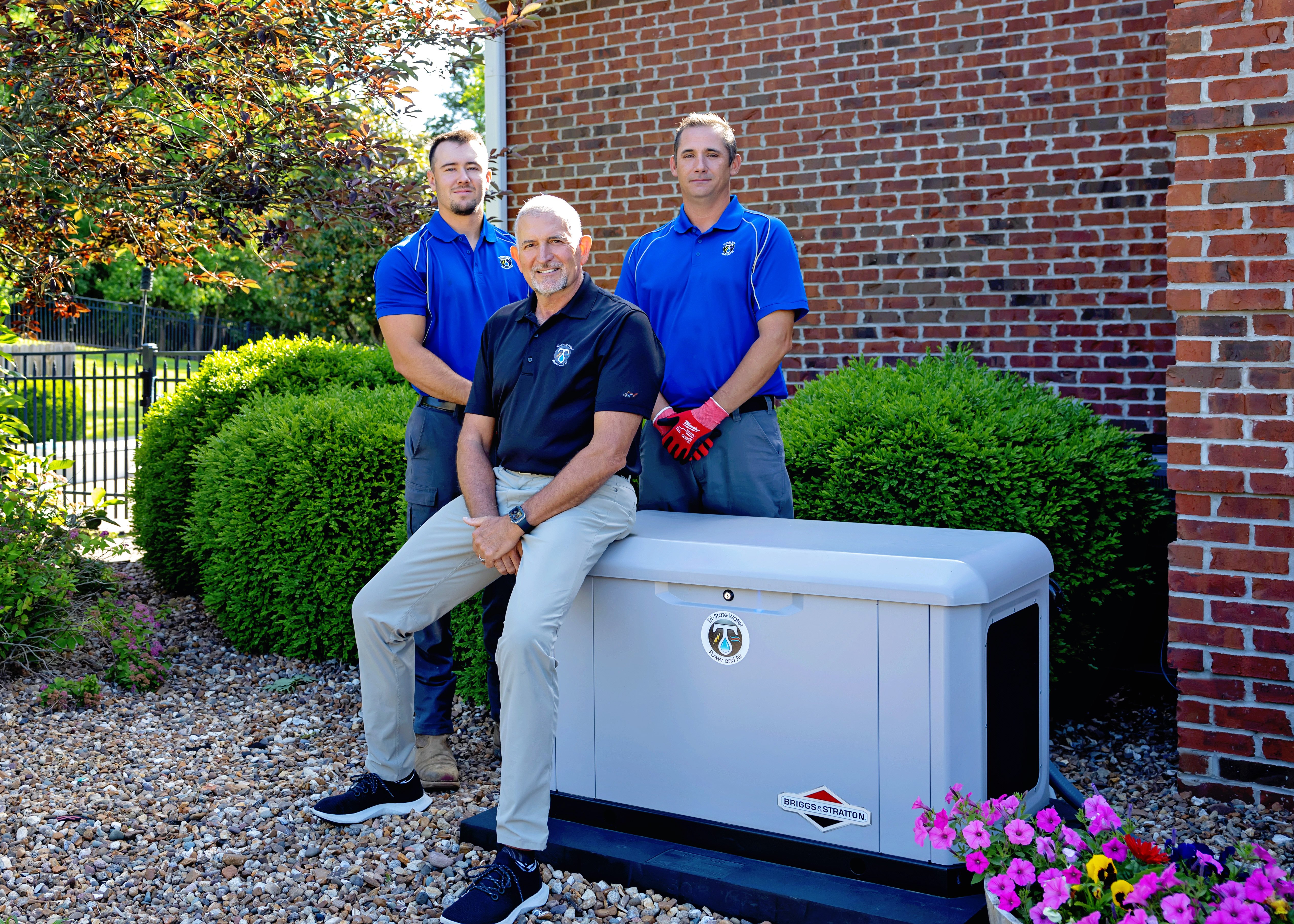
We are the experts in the field of Whole Home Standby Generators, with over 20 years of experience in the game. We provide turn-key installation by licensed professionals - 24 hour emergency service - Remote Monitoring - Long term maintenance and service by factory trained technicians. \nYou can trust our team, knowing that we have a Triple-A Rating with the Better Business Bureau and received the BBB Torch Award for Ethics. We look forward to discussing your needs and providing a recommendation and services you can rely on. \n
Response time1 day
Response rate100%
84 neighbors recently requested a quote