





Top-rated tree service pros.

Get matched with top tree service pros in Four Seasons, MO

Enter your zip and get matched with up to 5 pros

Need a pro for your tree service project in Four Seasons, MO?

Select your specific project to find the pro for you.

TRUSTED BY FOUR SEASONS, MO HOMEOWNERS

  • Average homeowner rating star icon4.7
    Average homeowner rating
  • Verified reviews icon177
    Verified tree services reviews

Find Tree service pros in Four Seasons

AAA Lawn and Landscaping
5.0(
7
)

Serving Four Seasons, MO and surrounding areas

Approved

In business since 2024

Free estimates

Customers say: True professional

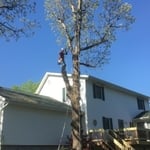
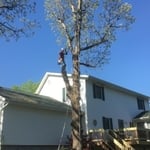
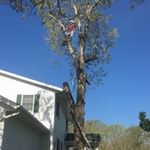
"AAA was able to quickly handle an emergency situation with a large tree in my front yard. They arrived within minutes of being contacted and resolved the issue. Then they returned a few days later to complete the work that wasn't as urgent. They left my yard in great shape and picked up all of the chips, branches and twigs. Recommend."
Additional Photos
Additional Photos
5 neighbors recently requested a quote

Recommended by57%of homeowners
Professional Tree Care
4.9(
9
)

Serving Four Seasons, MO and surrounding areas

In business since 2015

Free estimates

Emergency services offered

"They gave us a fair estimate and they did an excellent job. Dakota the owner took his time and safely trimmed our trees being very cautious to keep our home safe. He kept his word about the price and cleaned up after all the work. His crew worked hard and never wasted any time, plus they were all respectful and courteous. I would surely recommend his service."
Response time9 hrs
Recommended by100%of homeowners
Showing 1-10 of 49
Tree Service questions, answered by experts

The best time to prune Japanese flowering cherry trees depends on where you live and the type of flowering cherry tree. Some trees benefit from being pruned toward the end of winter or early spring, after the last freeze. Meanwhile, other trees do well after blooming, in late spring or early summer. Avoid pruning your flowering cherry tree in the early winter, as this encourages open wounds that can lead to infections or infestations. 

Generally, you’ll want to prune back the trunk by 1 to 2 feet each year to promote bushy growth. Doing so concentrates vegetative buds closer to the bottom of the tree, where you can easily harvest fruit. For side shoots that are a year old, leave at least six leaves. 

Never remove more than 30% of a tree’s foliage during pruning—even if your tree is really overgrown. Removing this much foliage at a time could kill your tree.

Licensing requirements for arborists, also known as tree surgeons, vary by state and municipality. Many areas require a license, which often involves specialized education and experience. Even if not mandated, it's wise to hire a licensed professional as they tend to have more experience. Beyond licensing, look for certifications from organizations like the International Society of Arboriculture (ISA) or the Tree Care Industry Association (TCIA), as this indicates a higher level of expertise. Certified arborists must typically pass a comprehensive exam. Always confirm that the arborist has a business license and is fully insured to protect yourself from liability. Seeking positive recommendations from local homeowners is also a good step in finding a qualified professional.

Completely topping a plum tree is a risky business. Cut too much, and you’ll kill your tree. That said, you do need to trim the top of your tree to encourage bushy growth, maintain your tree’s vase shape, and limit size. 

A plum tree's central leader (or trunk) should never extend more than 3 feet above the highest branch. When you first plant your tree, cut the central leader so it’s 2 to 3 feet tall. As it grows, cut it back 12 to 20 inches until it reaches its desired height. Never prune more than one-third of the new growth.

On average, tree removal costs around $750, with a typical range between $200 and $2,000. The final price depends on several factors, including the tree's height, trunk diameter, species, and overall health. Accessibility is also a key factor; costs will be higher if the tree is in a hard-to-reach area or located near structures like power lines or your home. Additional costs may apply for services such as stump removal (which can add $100 to $150), log-splitting, debris cleanup, and obtaining necessary permits. It is also customary to tip the professional, usually between $20 and $100.

The Four Seasons, MO homeowners’ guide to tree services

From average costs to expert advice, get all the answers you need to get your job done.