




Top-rated electricians.

Get matched with top electricians in Carterville, MO

Enter your zip and get matched with up to 5 pros

Need a pro for your electrical service project in Carterville, MO?

Select your specific project to find the pro for you.

TRUSTED BY CARTERVILLE, MO HOMEOWNERS

  • Average homeowner rating star icon4.5
    Average homeowner rating
  • Verified reviews icon174
    Verified electrical services reviews

Find Electricians in Carterville

Avatar for CARVER ELECTRICAL CONTRACTING LLC
CARVER ELECTRICAL CONTRACTING LLC
5.0(
9
)
Electrical Switches, Outlets & Fixtures - Install or RepairElectrical Wiring or Panel UpgradeElectrical for Home Addition or Remodel - Install+10 more

Serving Carterville, MO and surrounding areas

Approved

In business since 2025

Emergency services offered

Warranties offered

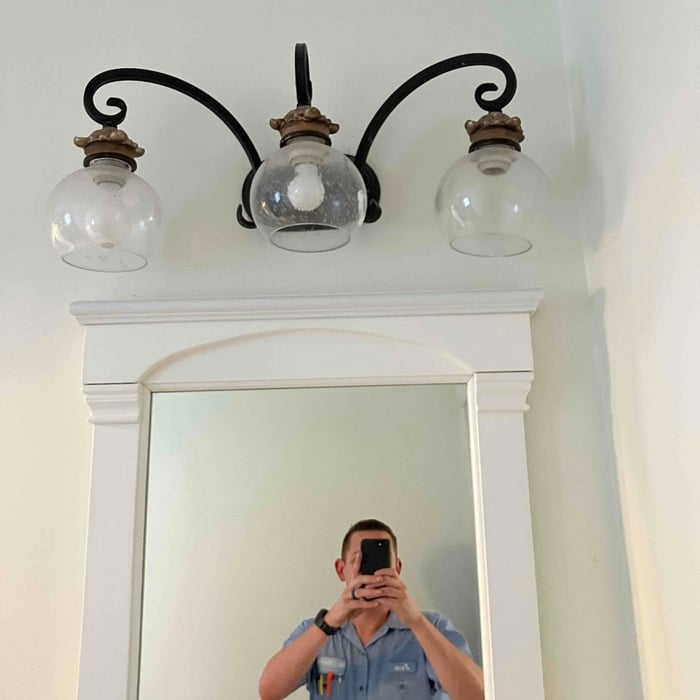
"I hired Carver Electrical to install a new light fixture in each of my kids closets. Eric did a great job and I have had no trouble with the fixtures. He was polite, efficient, and cleaned up everything when he was done. He was able to get me on his schedule fast and his price was great. I would definitely use him again. Highly recommend."
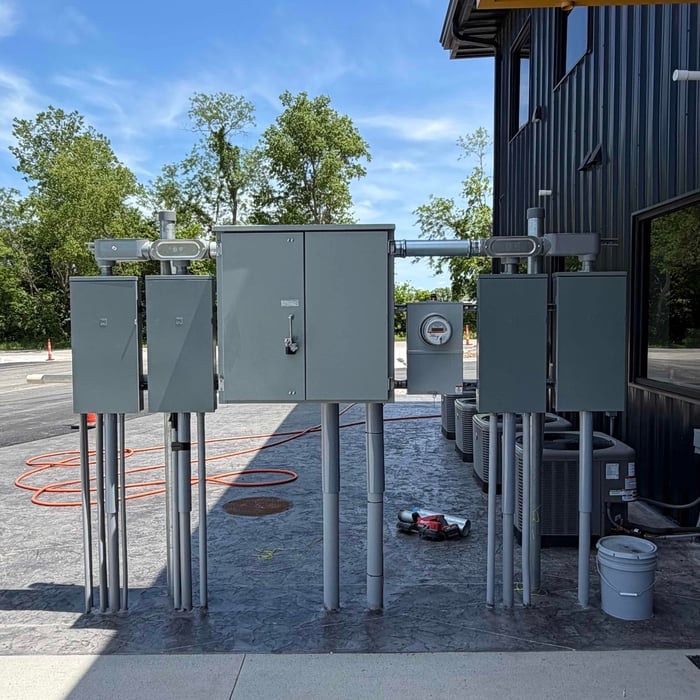
480 volt panelboard
Underground
Underground
Panel board
Pipe runs

+2

Response time7 hrs
Response rate100%
34 neighbors recently requested a quote
...
Showing 1-10 of 119
Electrical questions, answered by experts

Heated floors use less electricity than traditional heating systems. The average electric bill for running radiant floor heating nonstop is around $3 per day. For example, a 1,500-watt electric space heater costs around $4.80 per day, a 27,000-BTU electric boiler costs around $6.25 per day, and a 100,000-BTU electric heater costs $46 per day.

The standard copper wire gauge to use with any 30-amp circuit is a 10-gauge wire. The National Electric Code specifies a 10-gauge wire with appliances like water heaters running on 30 amps. If you try to use a smaller gauge wire, such as a 12 gauge, with a 30-amp breaker, you run the risk of the wire overheating and melting or causing a fire. Because of the safety hazards, the gauge of the wire is not an area to try to cut costs when connecting a 30-amp breaker to a water heater.

The key difference between a circuit breaker versus a surge protector is that circuit breakers shield your entire electrical system from overcurrents and faults, while surge protectors defend your electronic devices against voltage surges and spikes. A circuit breaker interrupts the flow of electricity in a circuit when it detects an overload or short circuit, protecting the wiring from damage and preventing fires. In contrast, a surge protector shields electronic devices from voltage spikes, such as those caused by lightning strikes or power surges, preventing damage to the device’s inner mechanics.

Most standard residential water heaters, which are typically around 40 gallons and use 240 volts and between 3,500 and 5,500 watts, require a 30-amp, two-pole circuit breaker. For smaller, point-of-use water heaters using 120 volts and between 1,500 and 3,000 watts, a 30-amp breaker is also often adequate. However, some models may have different needs; units that use more watts than average may require a 40-amp breaker, while smaller units might only need a 20-amp breaker. Newer, tankless, or more energy-efficient models can also require a higher amperage. Having the correct breaker size is crucial for safe and efficient operation, so it's best to consult a licensed electrician to determine the specific needs of your water heater.

Be careful not to drop your voltmeter or multimeter. Even a small fall can affect the tool’s ability to measure with accuracy. Always store your tools in their cases in a cool, dark place. Also, avoid touching the probes to each other while they’re connected to a circuit or another electrical component, and never tamper with anything inside the device.

The Carterville, MO homeowners’ guide to electrical services

From average costs to expert advice, get all the answers you need to get your job done.